

Overview
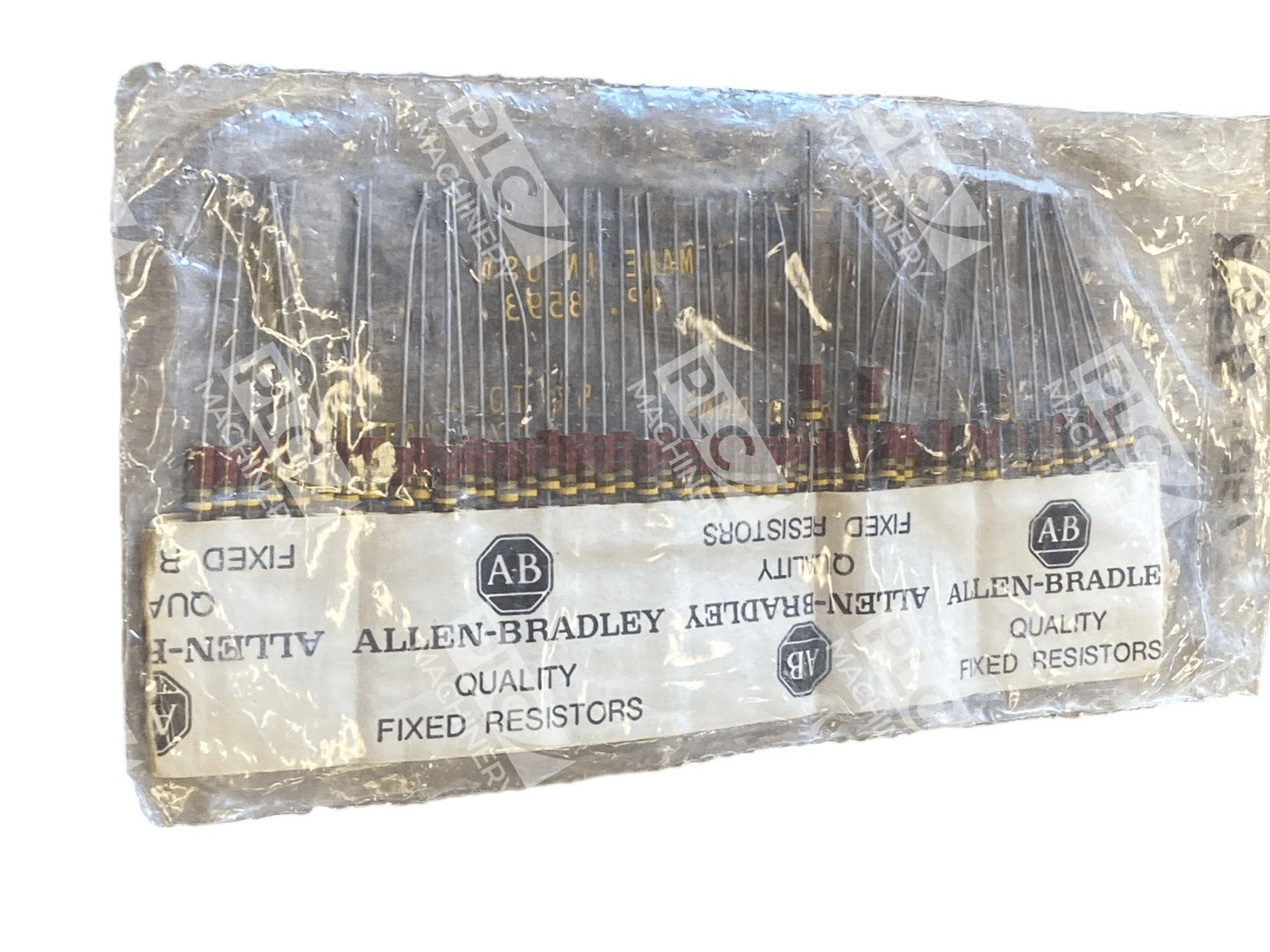
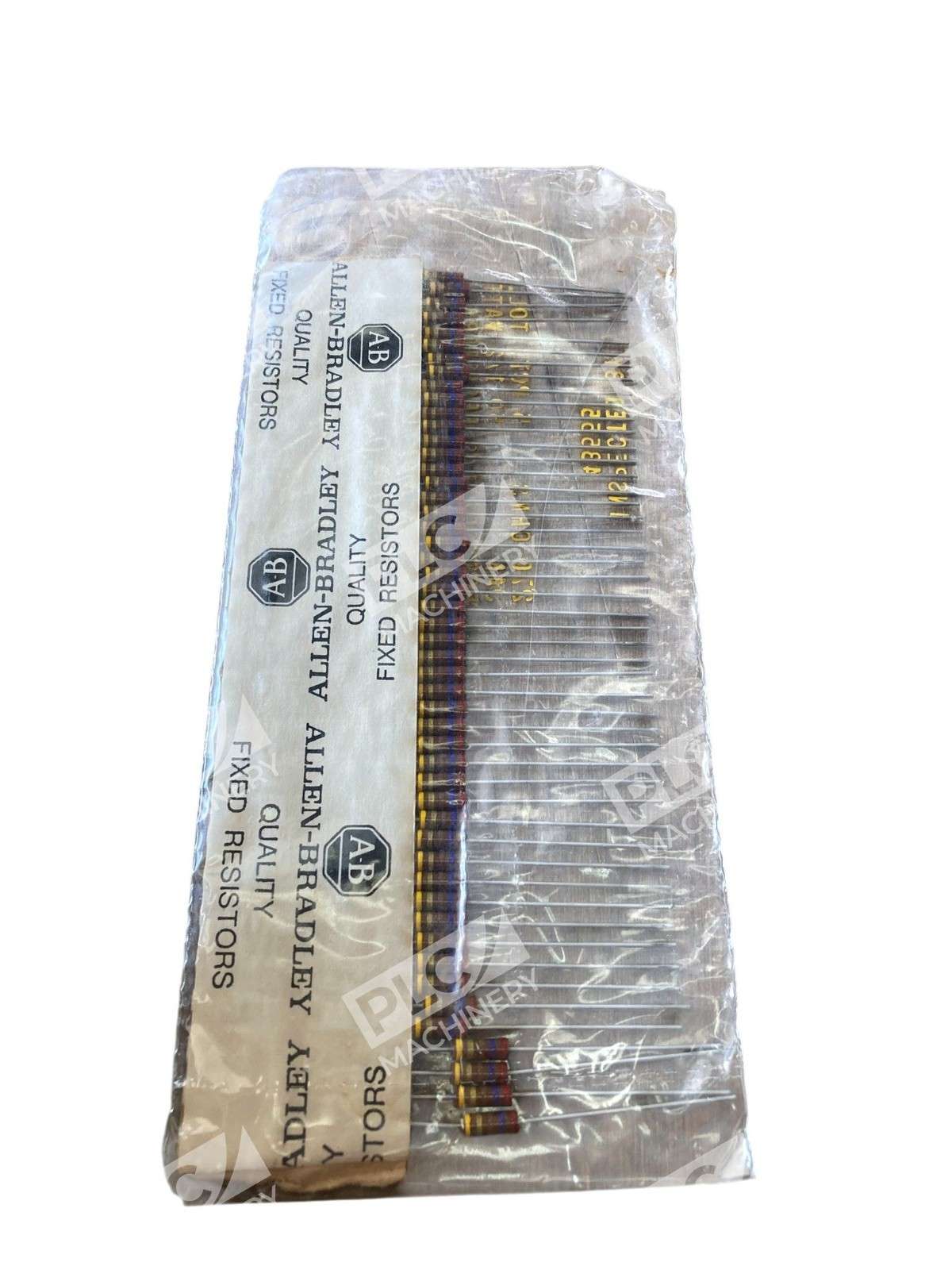
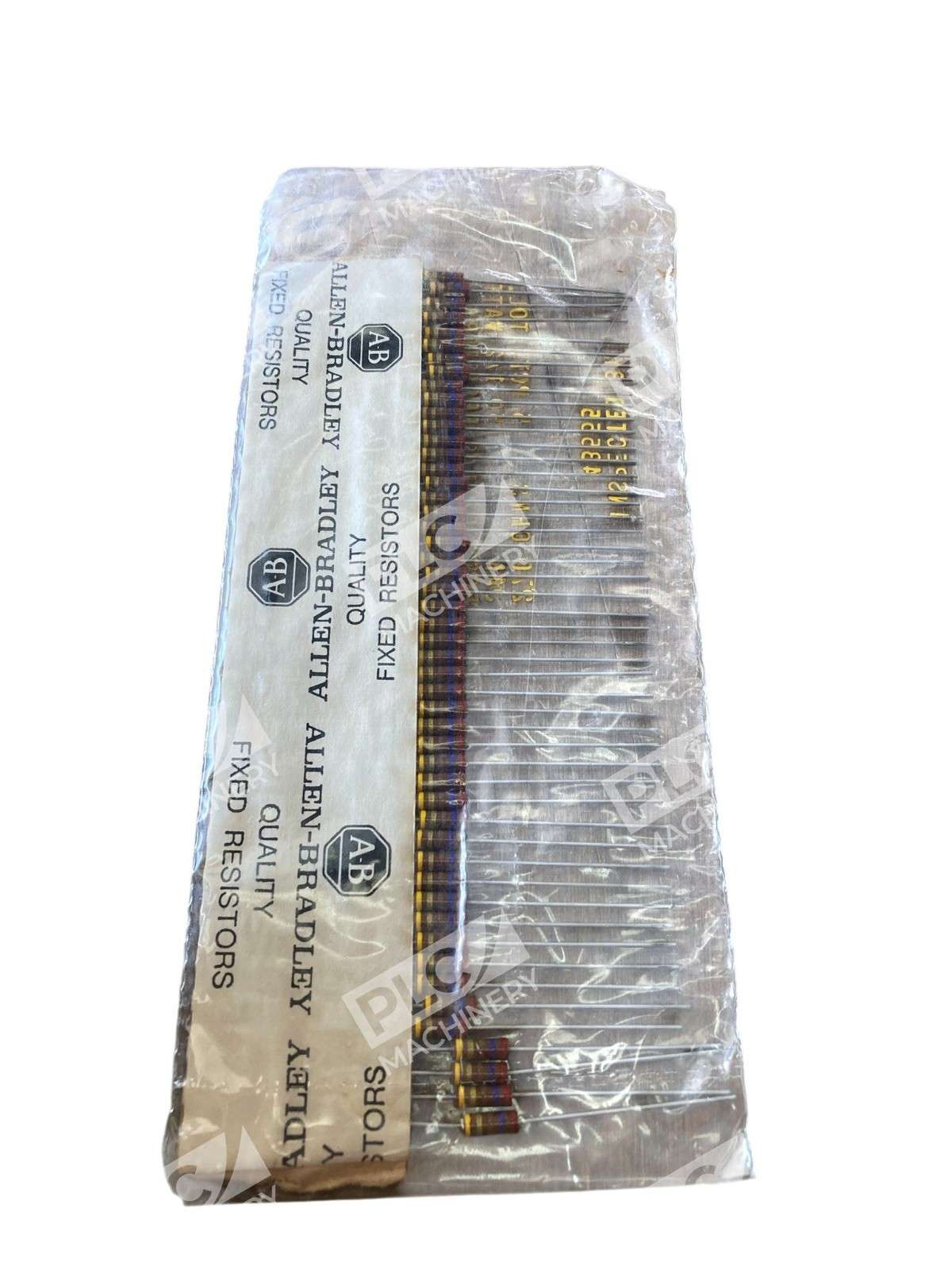
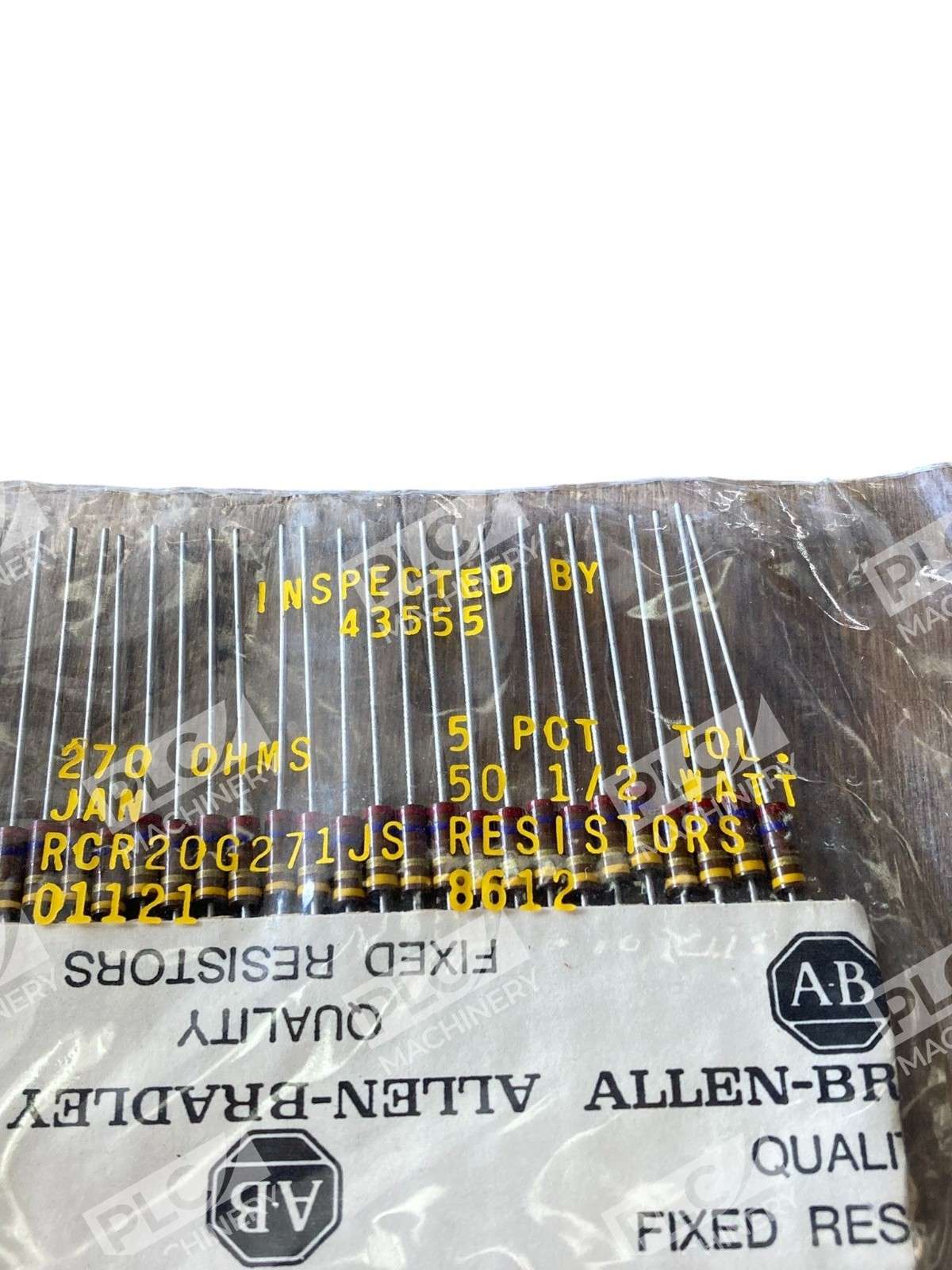
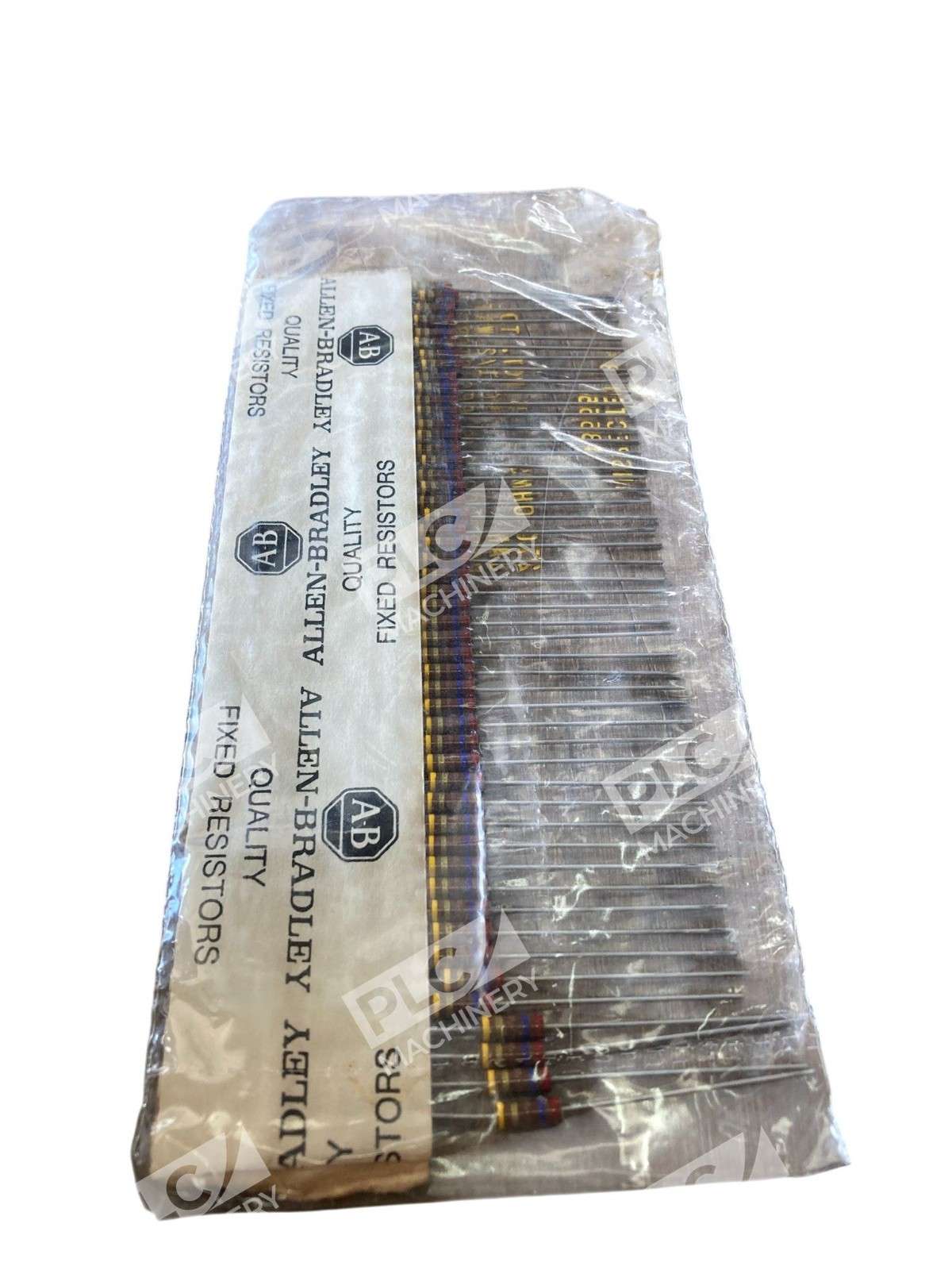
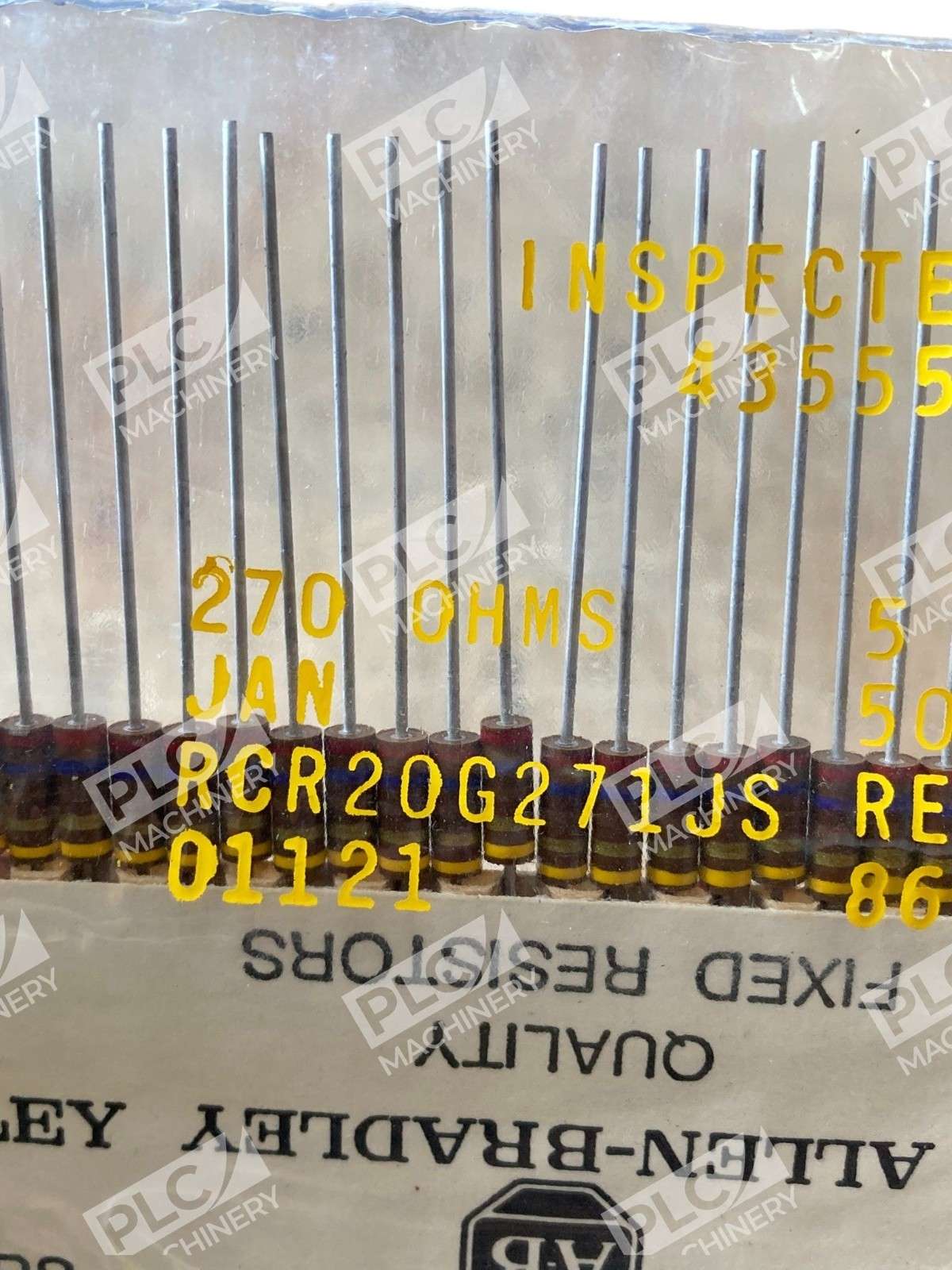
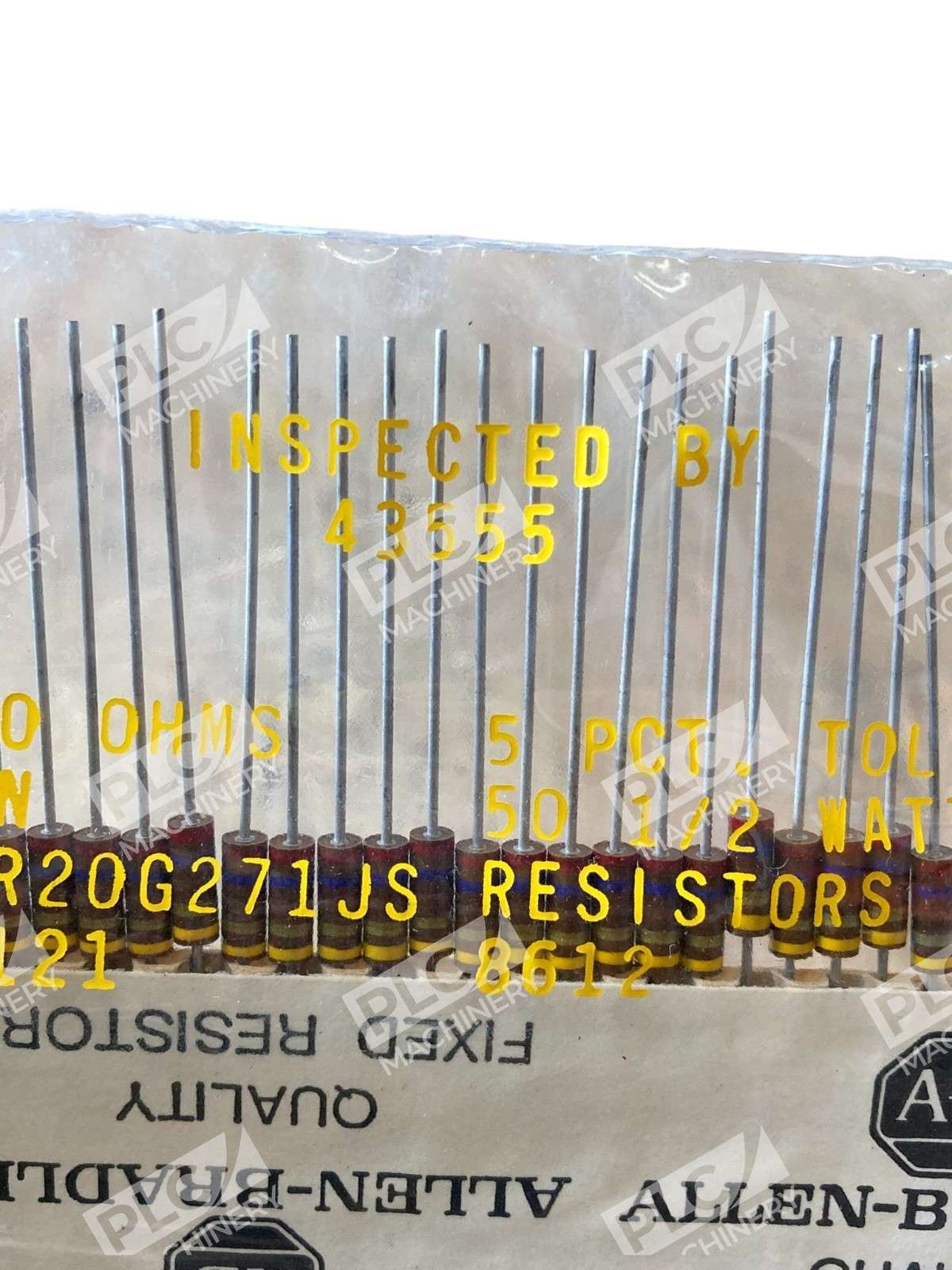
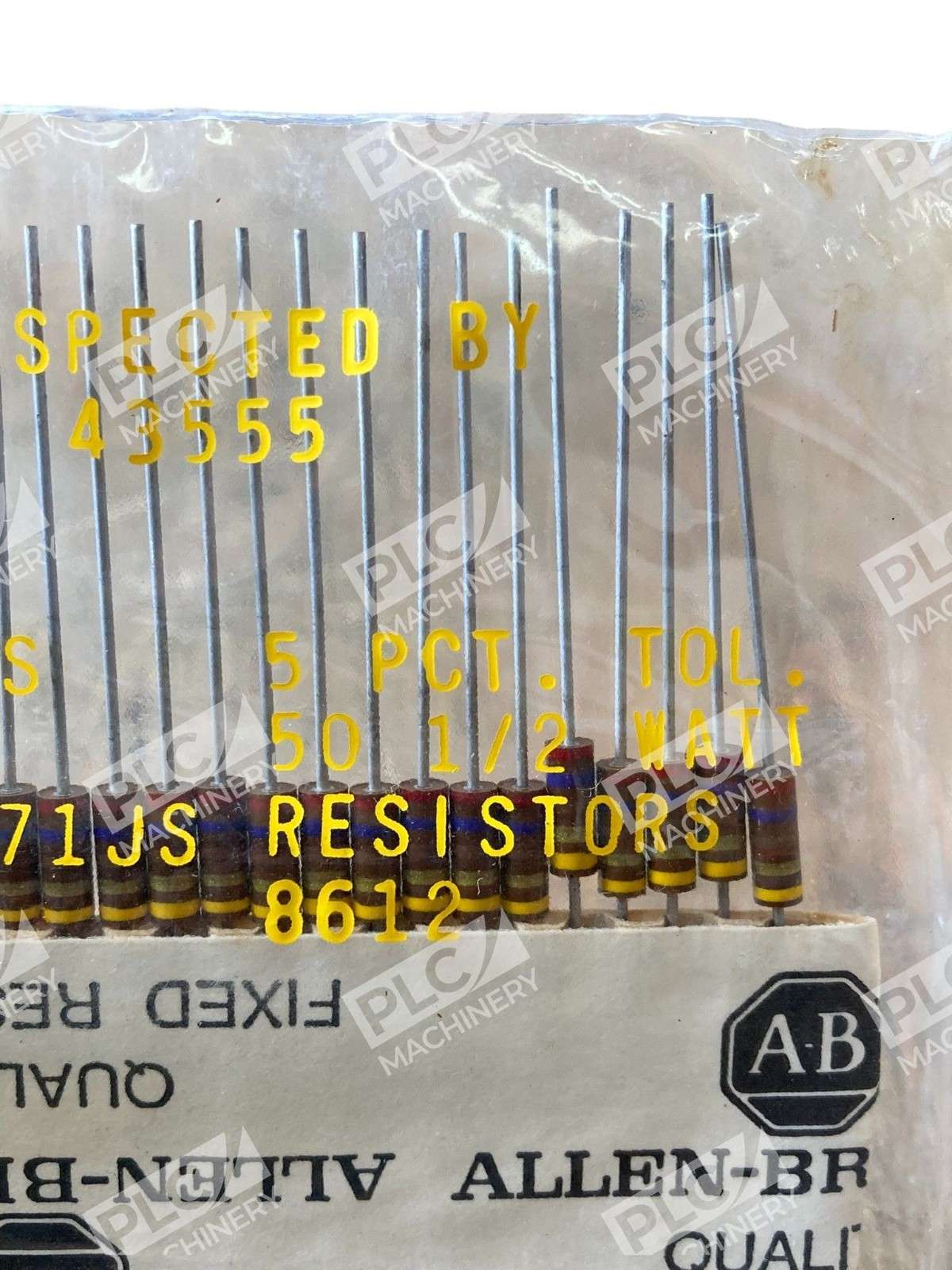
The Allen-Bradley RCR20G271JS is a military-grade carbon composition fixed resistor designed for demanding industrial and electronic applications. With a resistance value of 270 ohms and a power rating of 0.5 watts, this component delivers proven reliability and performance in legacy and modern control systems alike.
Key Features
- Hot-molded carbon composition construction with outstanding MIL-SPEC reliability
- Exceptional pulse withstanding capacity and high-frequency stability
- Low inductance, non-magnetic design ideal for RF and sensitive analog circuits
- Oxygen-free copper axial leads for superior conductivity and longevity
- 5% tolerance meets tight circuit specifications
- Made in USA with consistent quality control
Technical Specifications
- Resistance Value: 270 Ohms
- Power Rating: 0.5 Watts
- Tolerance: ±5%
- Construction Type: Hot-Molded Carbon Composition
- Temperature Range: −55°C to +70°C (typical)
- Lead Type: Axial, Oxygen-Free Copper
- Military Standard: MIL-R-39008 (Established Reliability Grade-S)
- Lead Diameter: Standard (per MIL-R-39008)
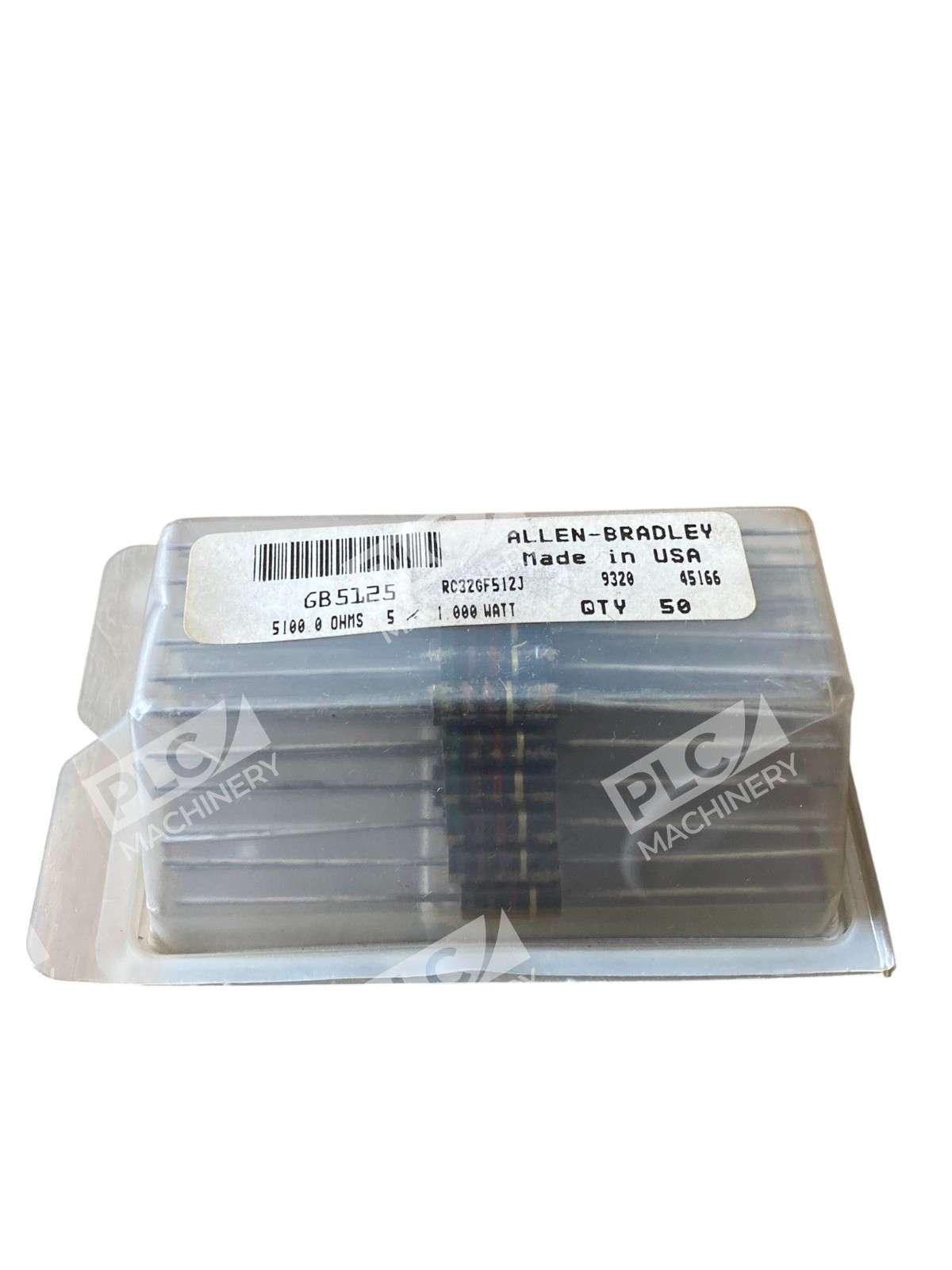
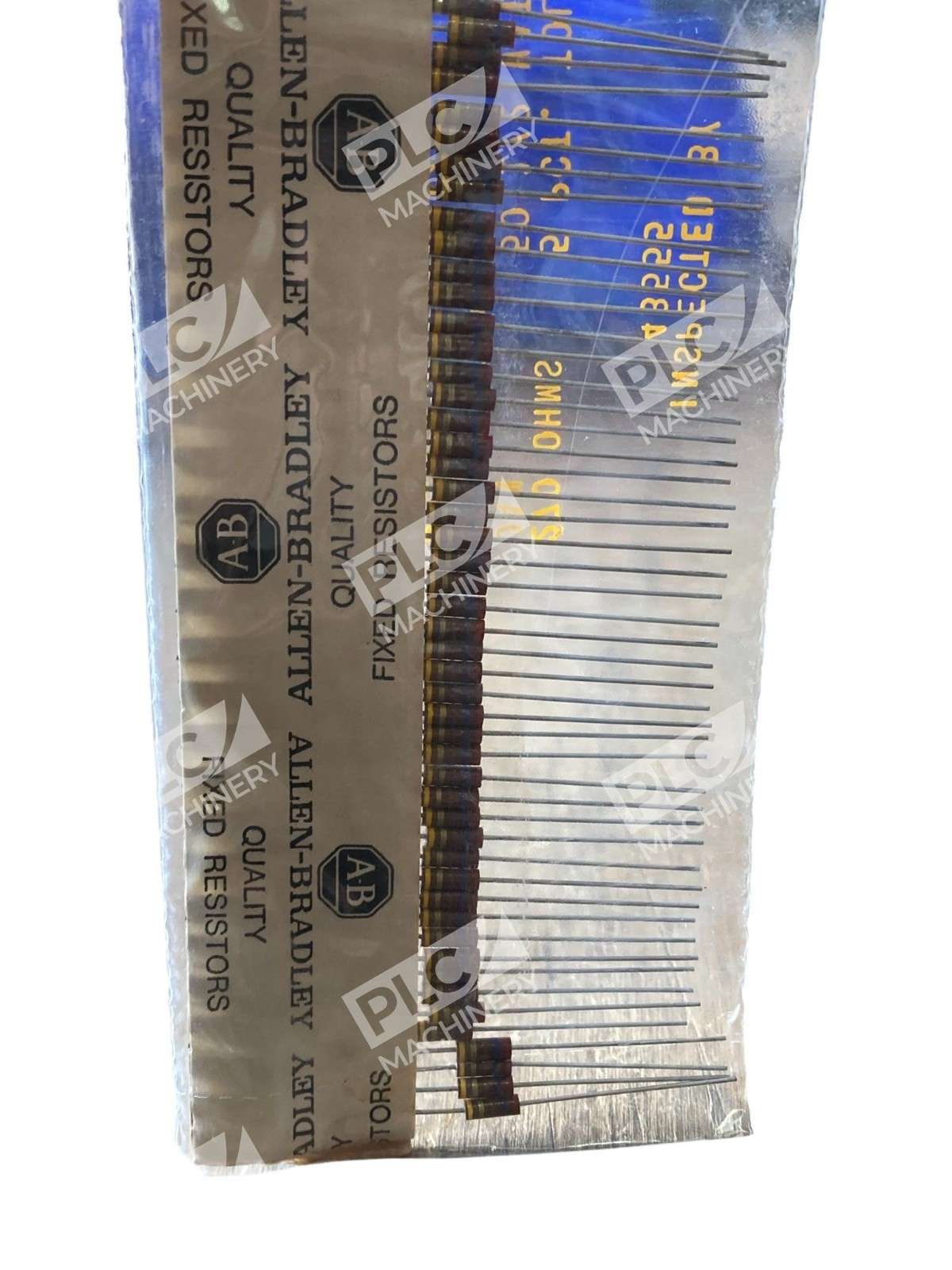
- Packaging: 50 units per bag
- Condition: New in Box
Typical Applications
The Allen-Bradley RCR20G271JS carbon composition resistor is widely used in:
- Industrial automation control circuits and PLC interfaces
- RF and high-frequency analog circuit designs
- Snubber and clamping networks requiring pulse withstanding
- Legacy equipment refurbishment and repair
- Audio frequency and precision measurement circuits
- Military and aerospace equipment requiring MIL-SPEC components
Compatibility & Replacements
The RCR20G271JS is a dry-film or direct replacement in circuits originally specified for Allen-Bradley carbon composition resistors. While modern thin-film or metal-oxide resistors may offer improved stability in some applications, the Allen-Bradley carbon composition series maintains superior noise performance and pulse handling characteristics valued in industrial systems. Cross-reference alternatives from Vishay Dale (RL series) or IRC/Dale resistors may be evaluated, though electrical and thermal characteristics should be verified for critical applications. Always confirm replacement suitability in your specific circuit before substitution.