

Overview
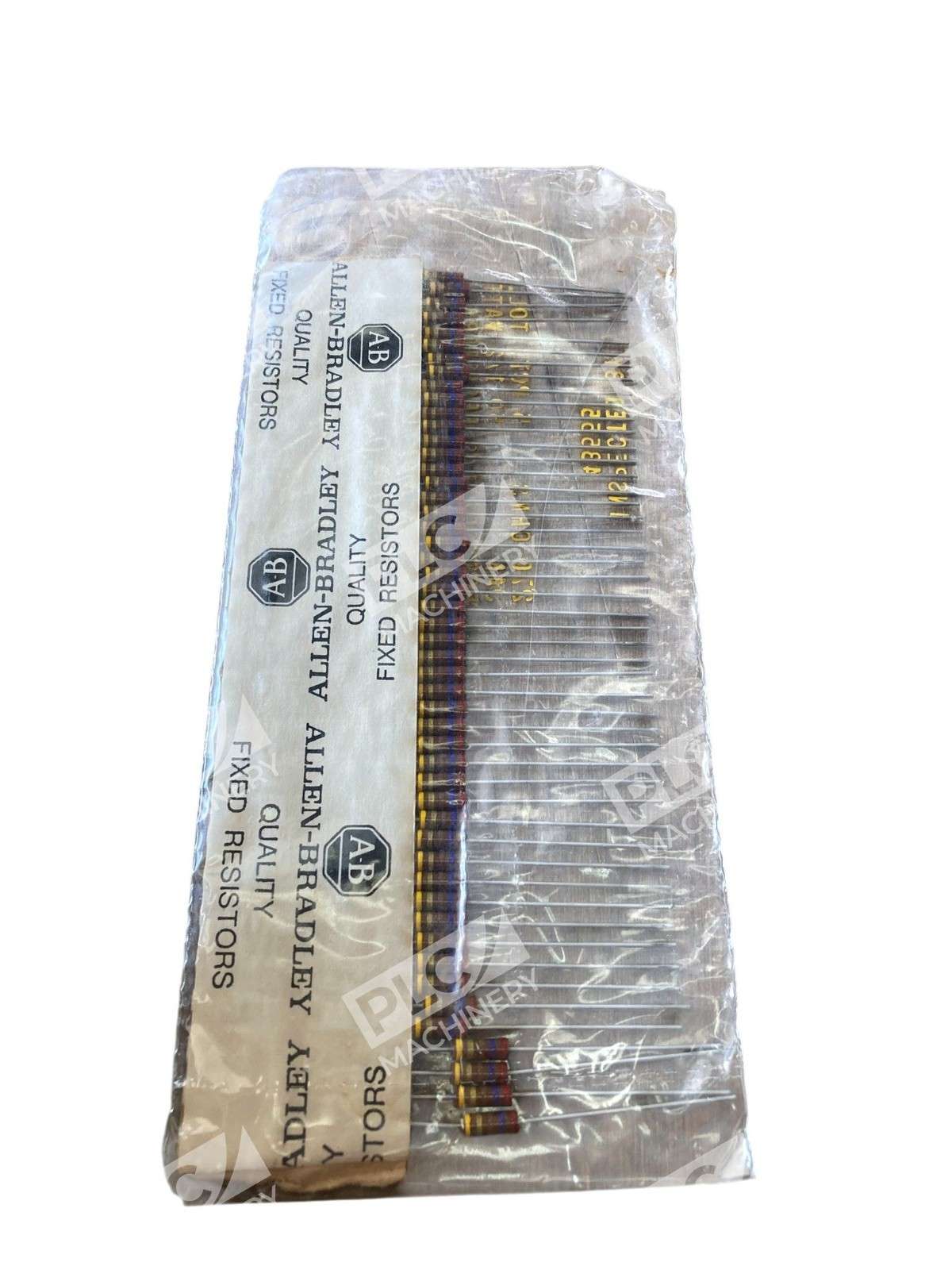
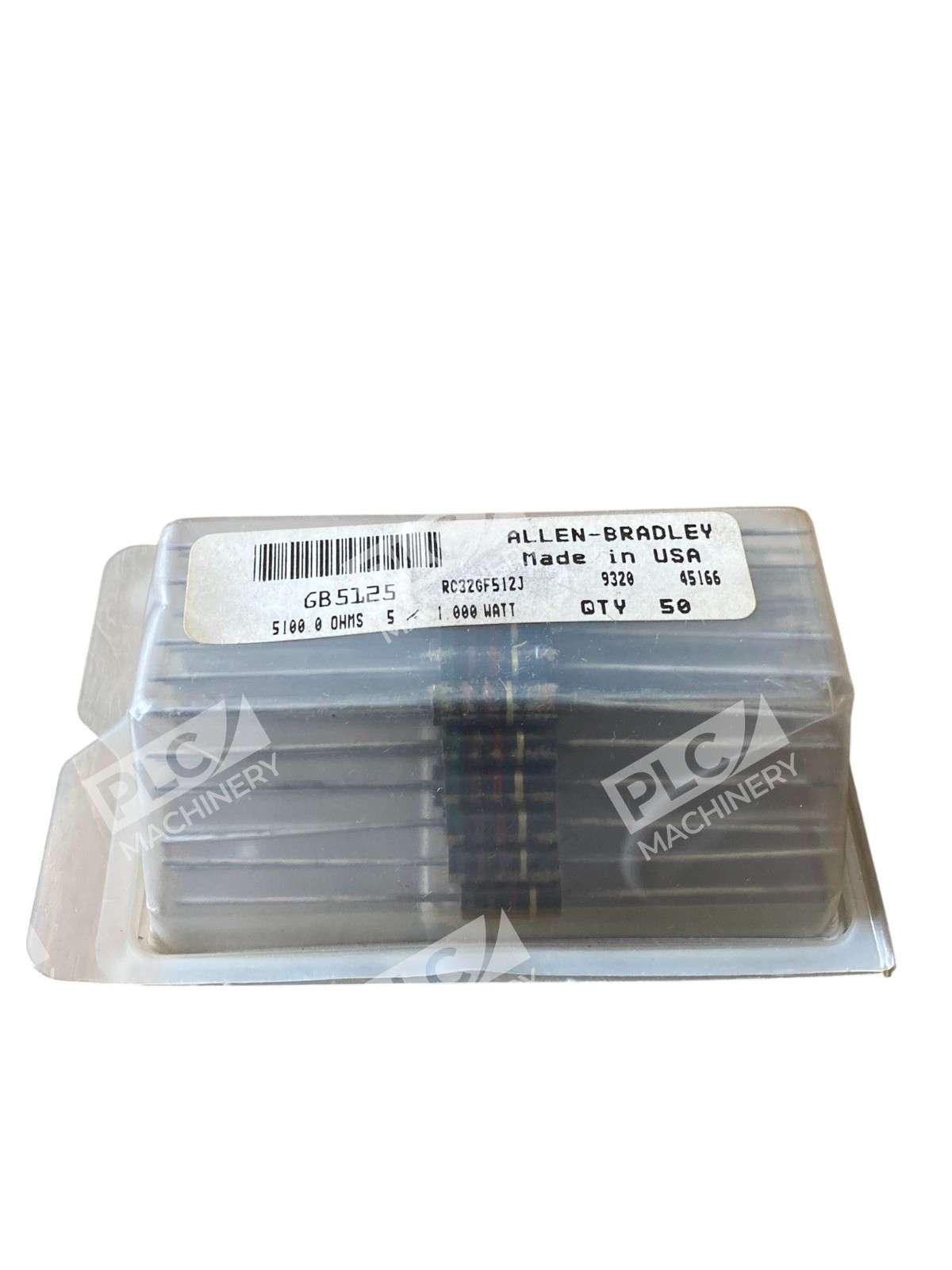
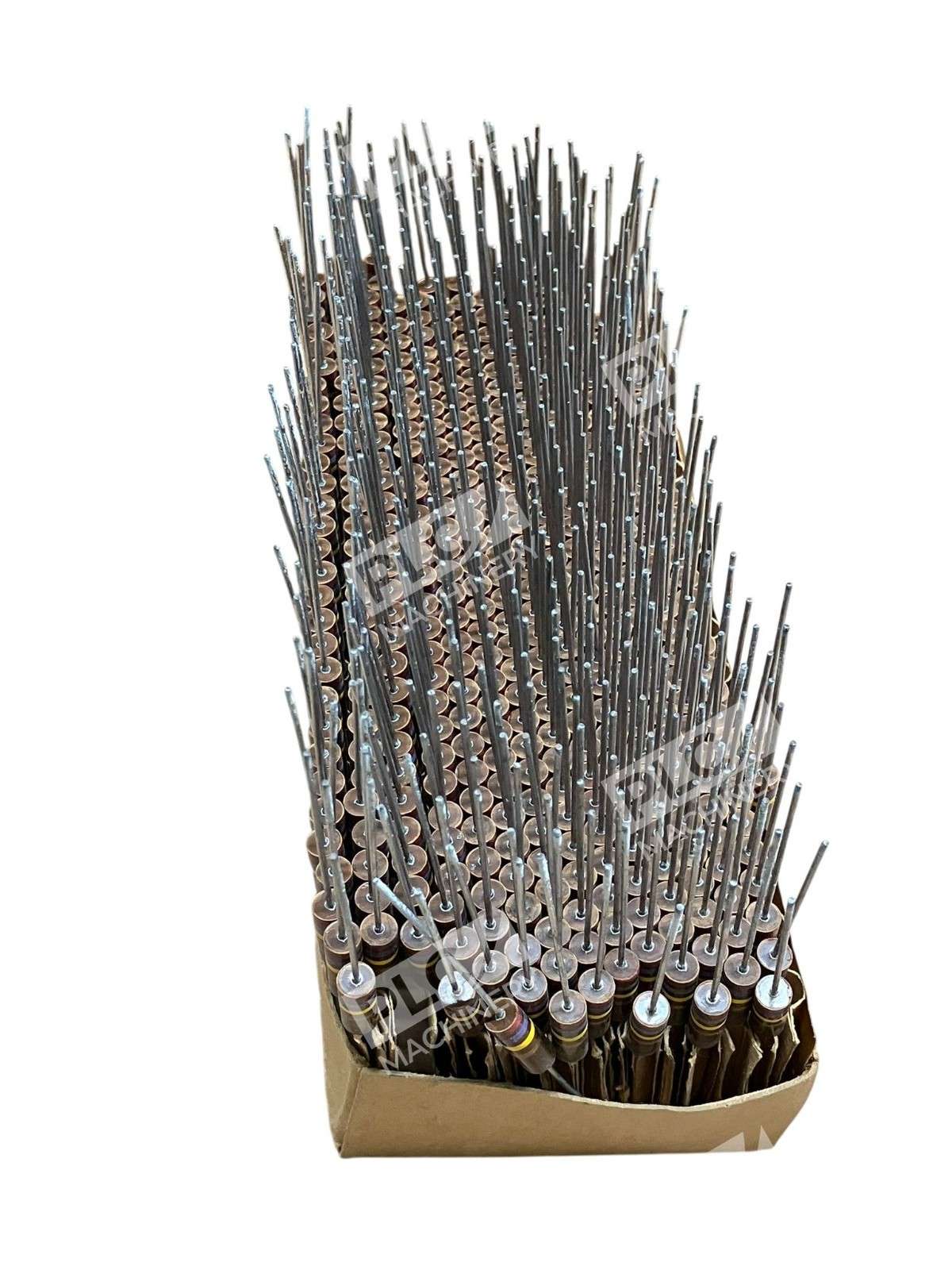
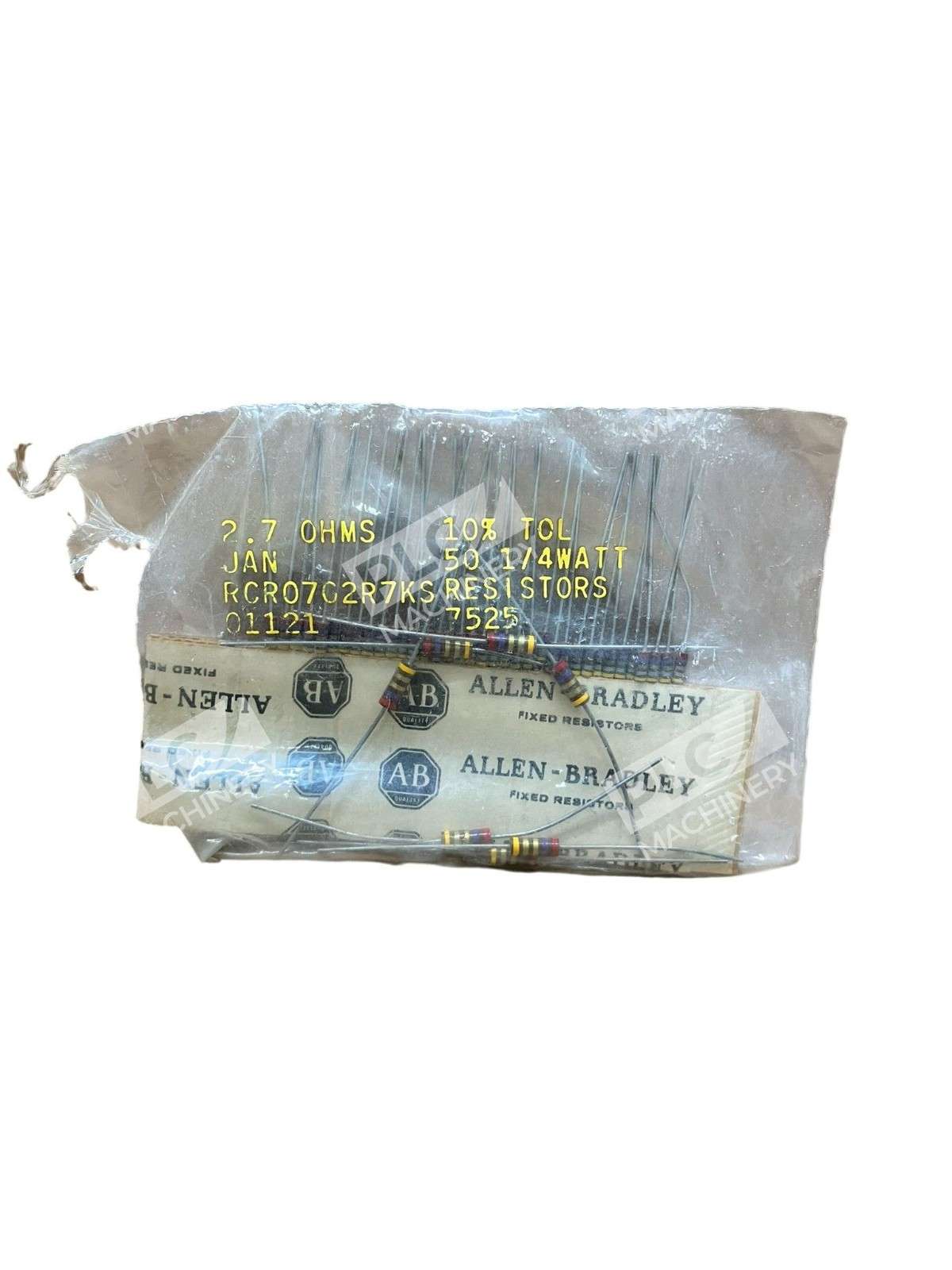
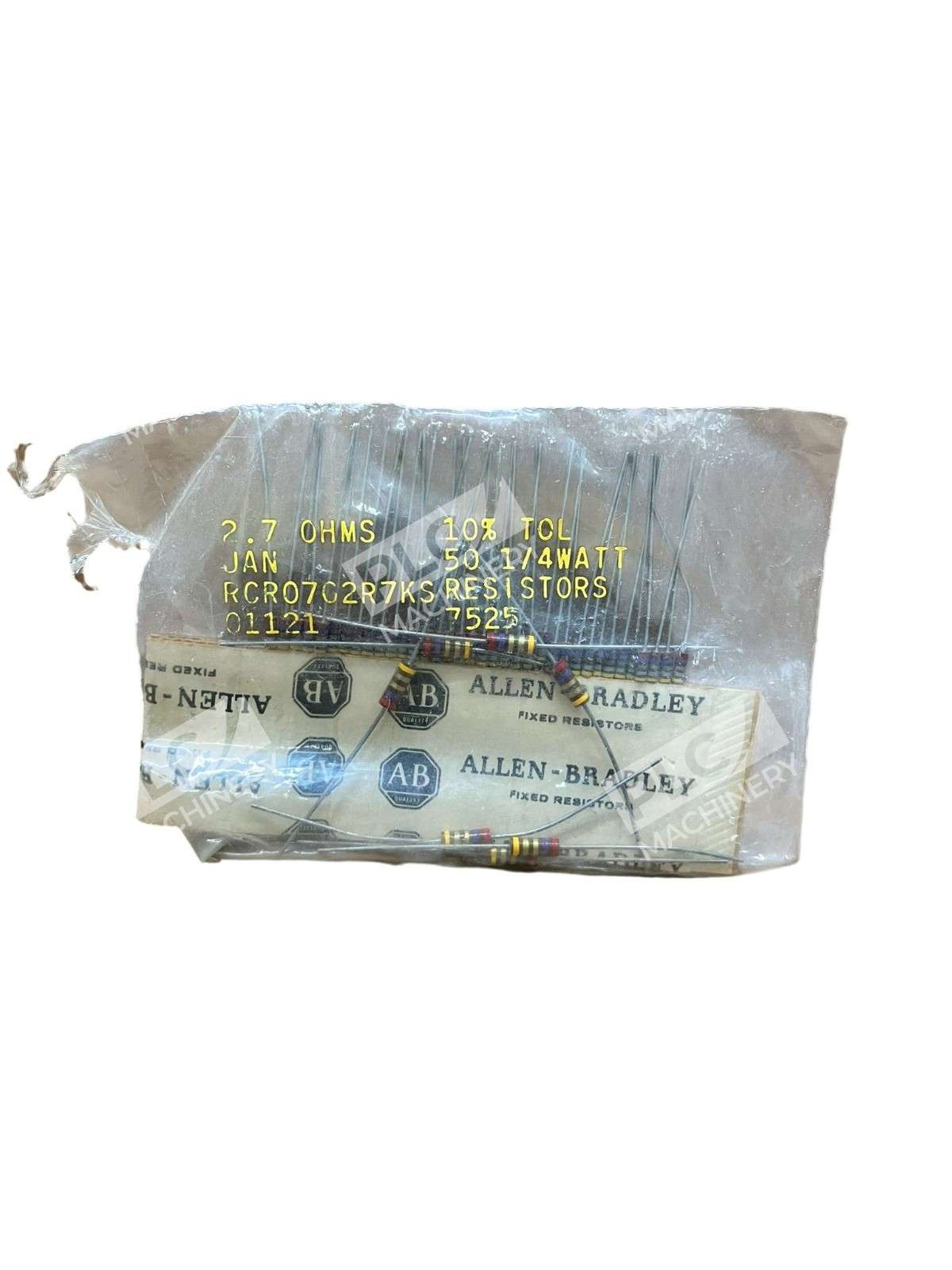
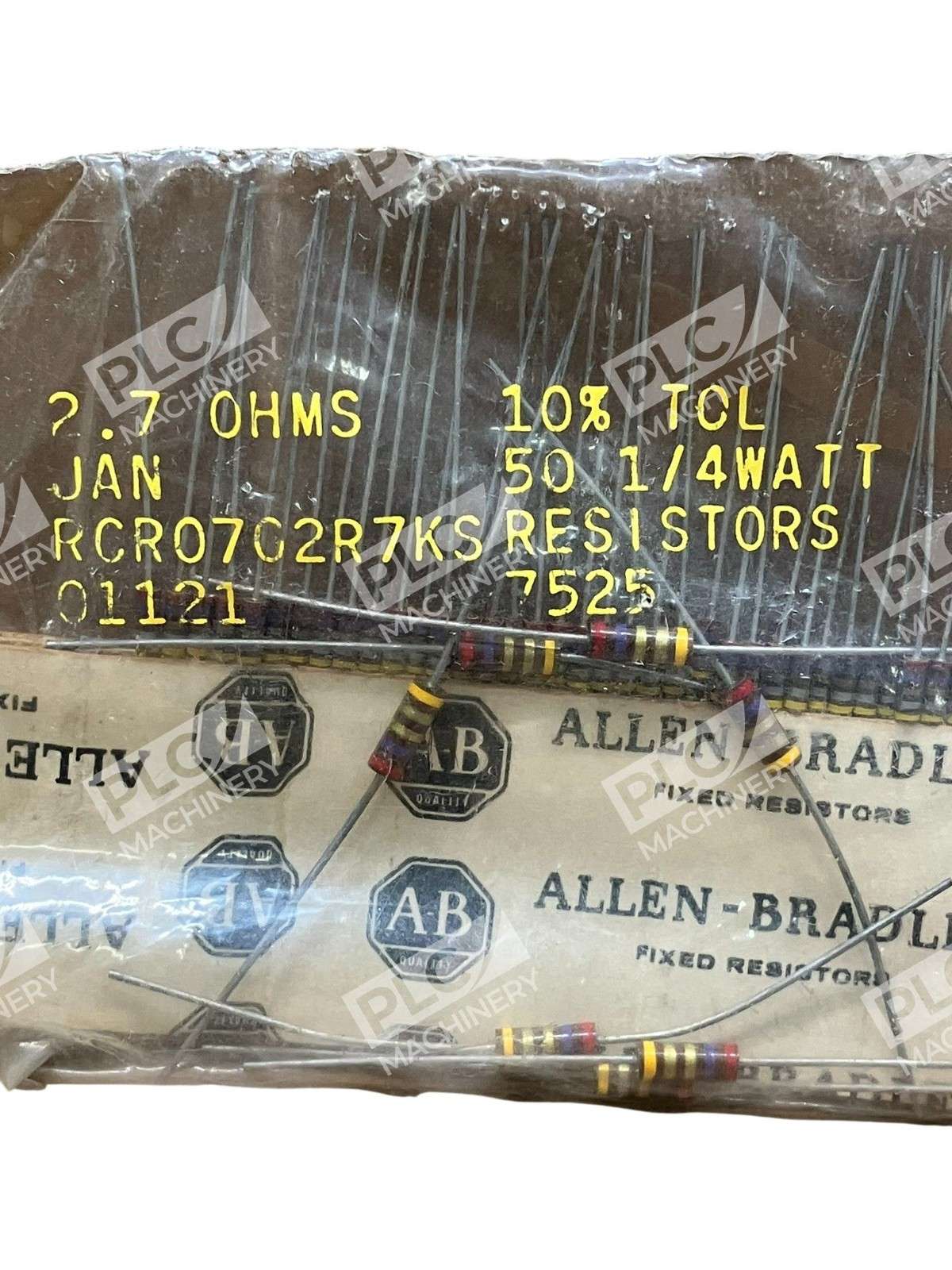
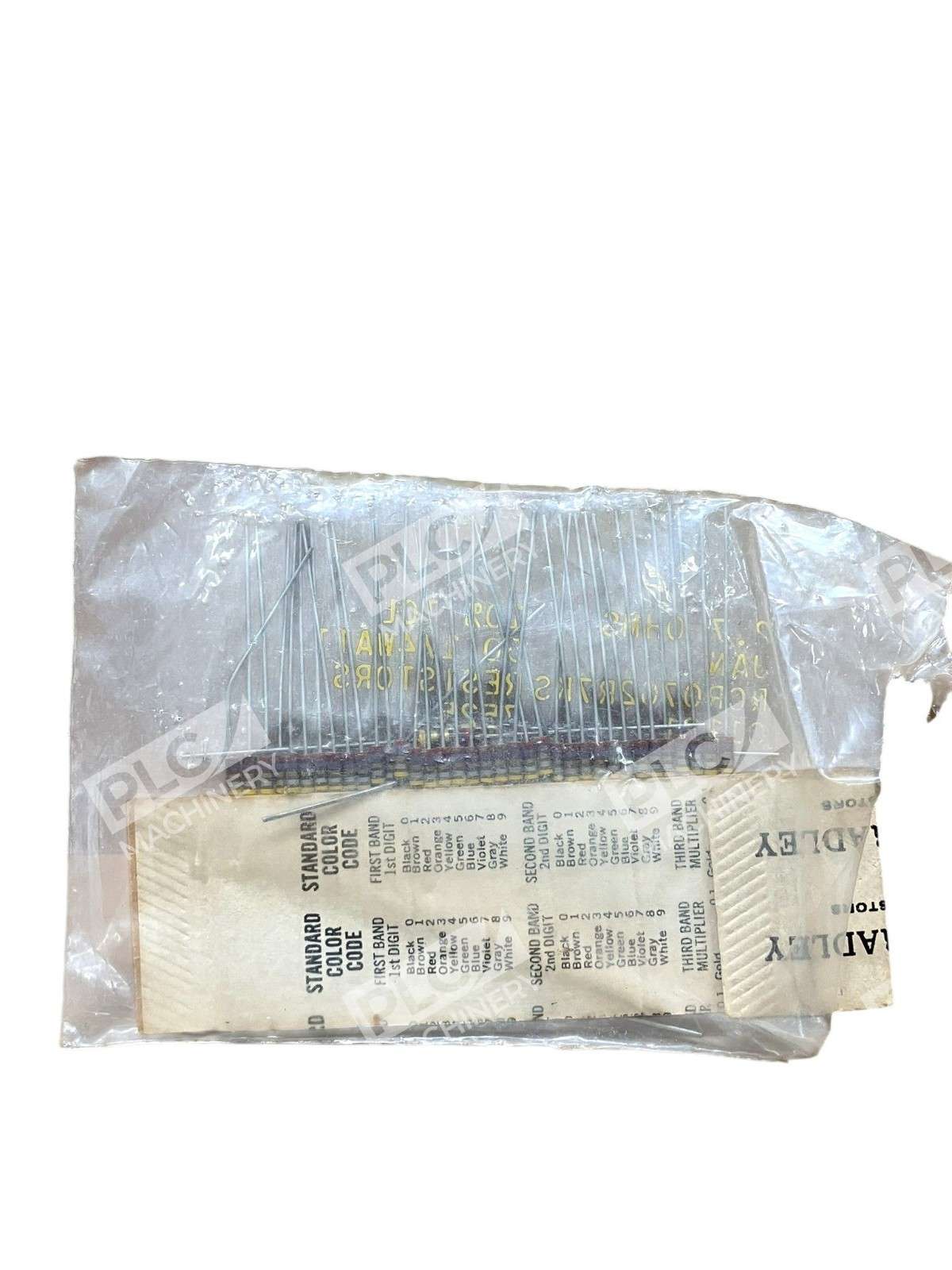
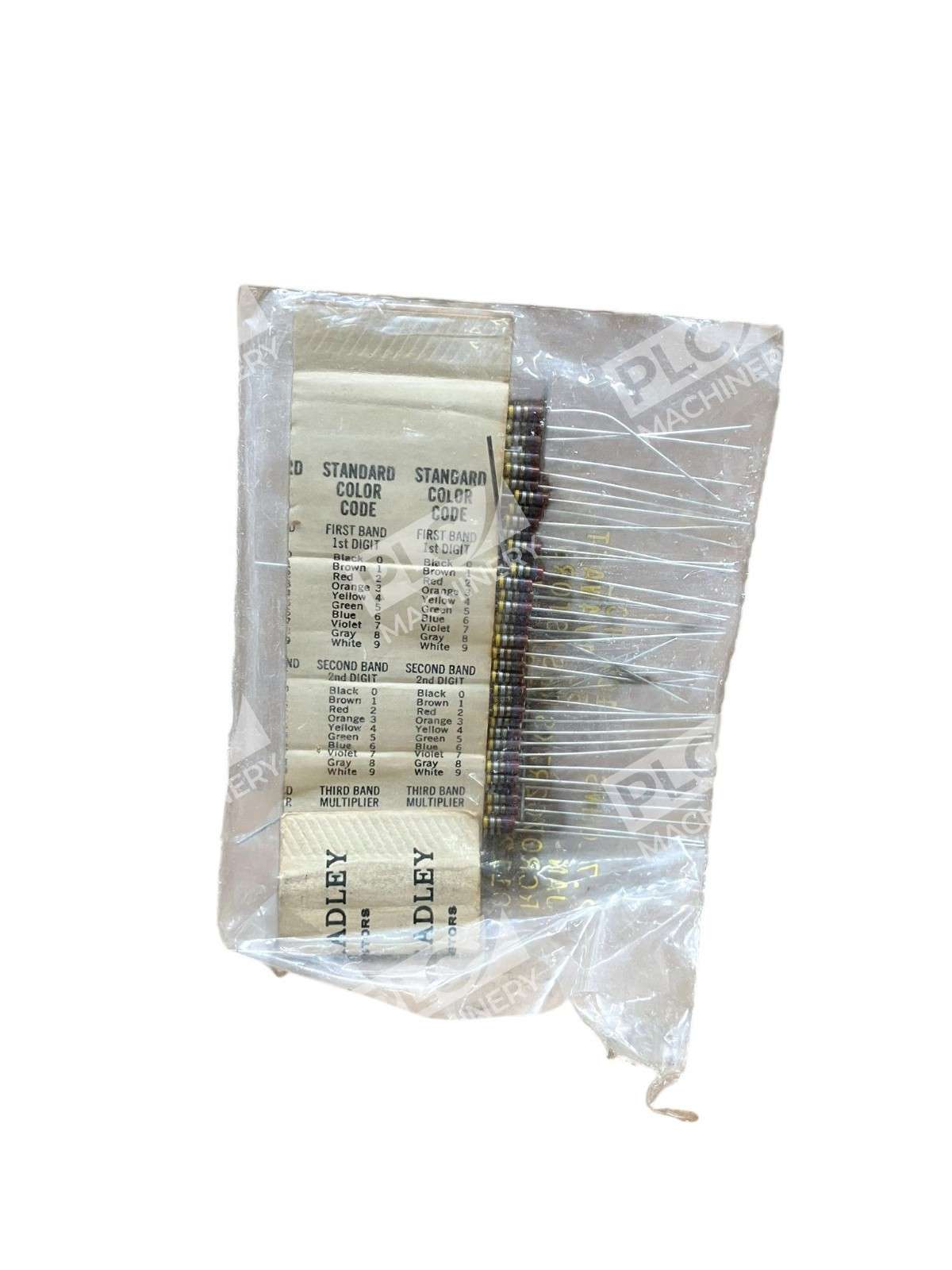
The Allen-Bradley RCR07G2R7KS is a precision carbon composition resistor with proven reliability in industrial and audio applications. This lot includes 35 units rated at 2.7Ω with a 0.25W power rating and ±10% tolerance. The RCR designation indicates military Grade-S specification—representing the highest quality tier in Allen Bradley’s resistor portfolio.
Key Features
- Hot-molded carbon composition construction for stability and durability
- Oxygen-free copper leads for superior electrical performance
- Military-grade specification (RCR series)
- ±10% tolerance suitable for non-critical path applications
- Excellent for audio circuits, test equipment, and legacy system repairs
Technical Specifications
- Resistance Value: 2.7Ω
- Power Rating: 0.25W (1/4W)
- Tolerance: ±10%
- Voltage Rating: 250V
- Construction Type: Carbon Composition (hot-molded)
- Lead Type: Oxygen-free Copper
- Mounting: Through-hole Axial
- Temperature Range: Up to 70°C
- Quantity per Lot: 35 Units
Typical Applications
Allen Bradley carbon composition resistors excel in applications requiring low-noise operation and reliable performance across temperature ranges. Common uses include vintage amplifier restoration, professional audio gear, test and measurement circuits, industrial control panels, and legacy equipment repairs. These resistors are particularly valued in audio applications for their organic tonal characteristics and non-magnetic, non-inductive properties.
Compatibility & Replacements
The RCR07G2R7KS is part of the RCR07 series, representing the military designation equivalent of Allen Bradley’s standard carbon composition resistors. These resistors maintain compatibility with historical equipment and vintage designs requiring authentic component specifications. As production ceased in the 1990s, NOS (new old stock) units like this lot are increasingly sought for accurate restoration and repair work. Always verify resistance value, power rating, and tolerance when substituting or upgrading components in critical circuits.