

Overview
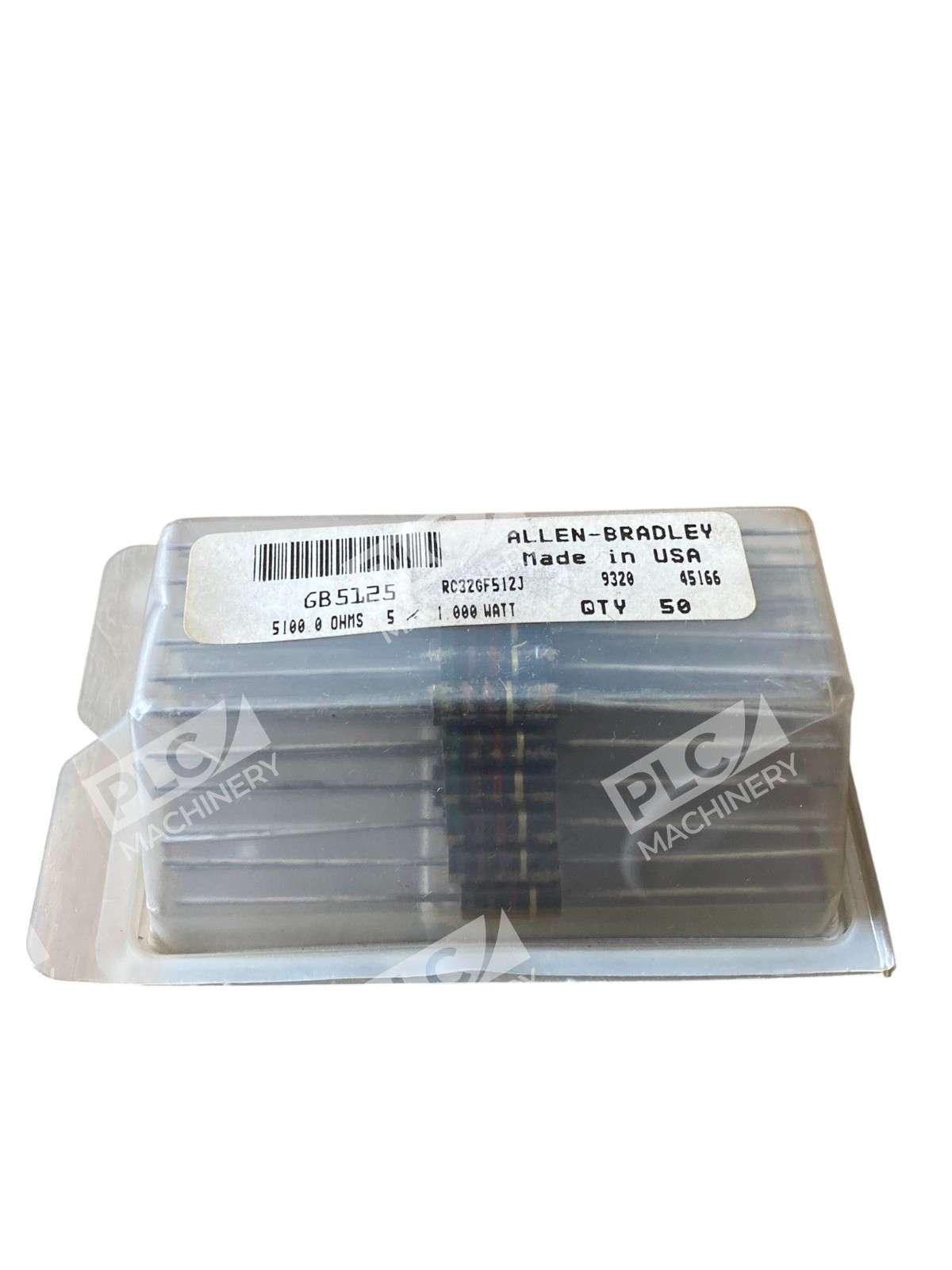
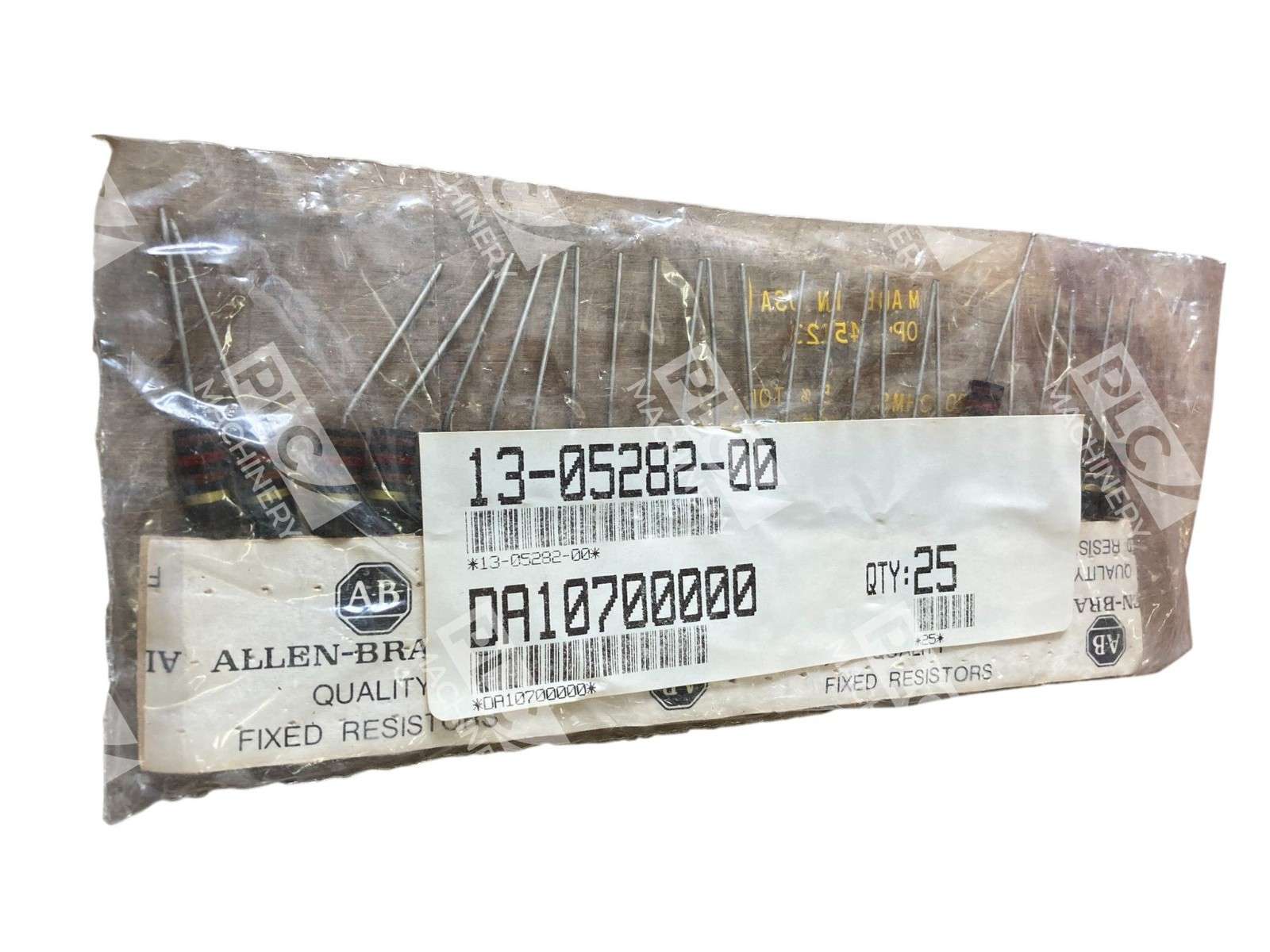
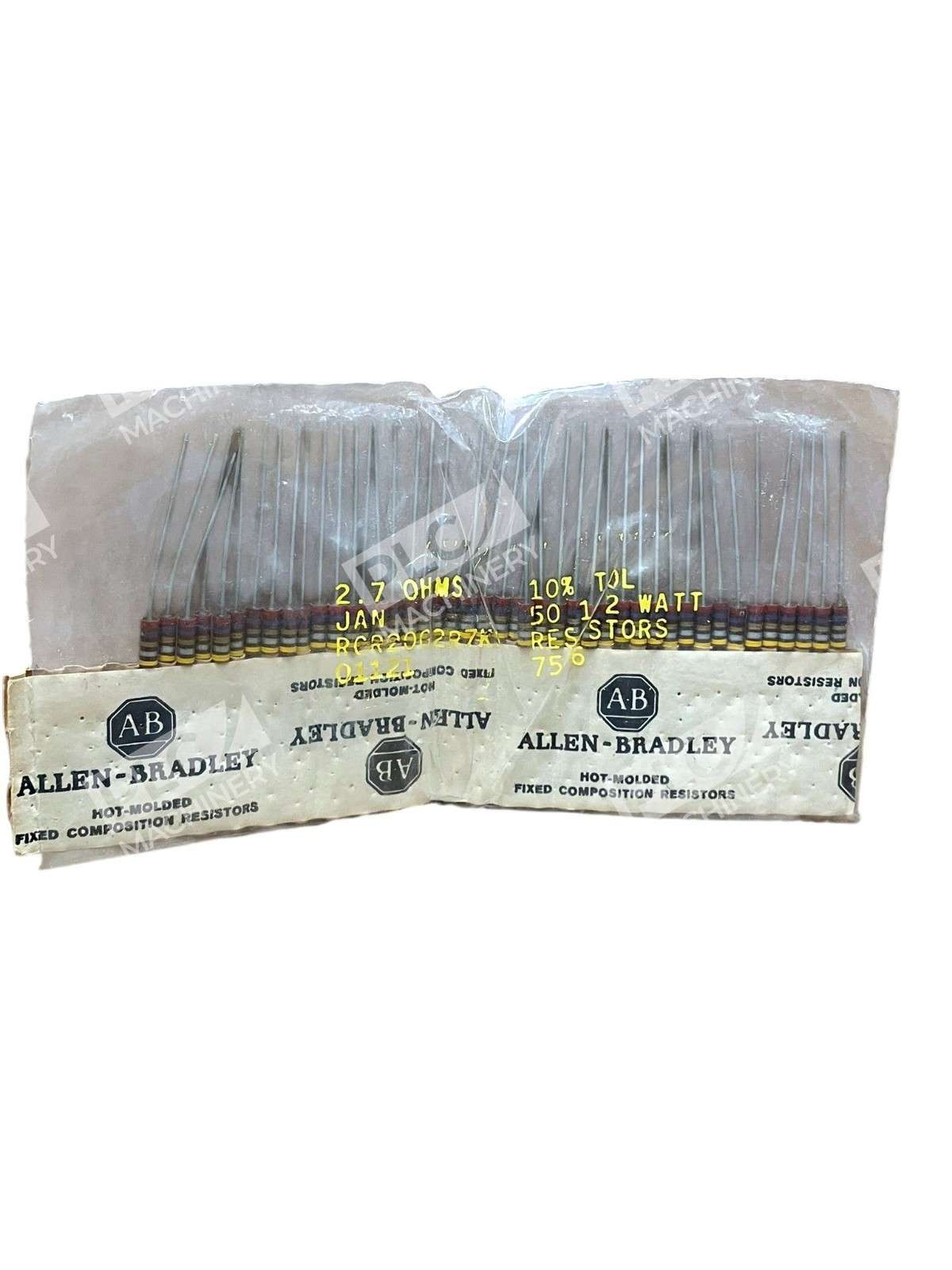
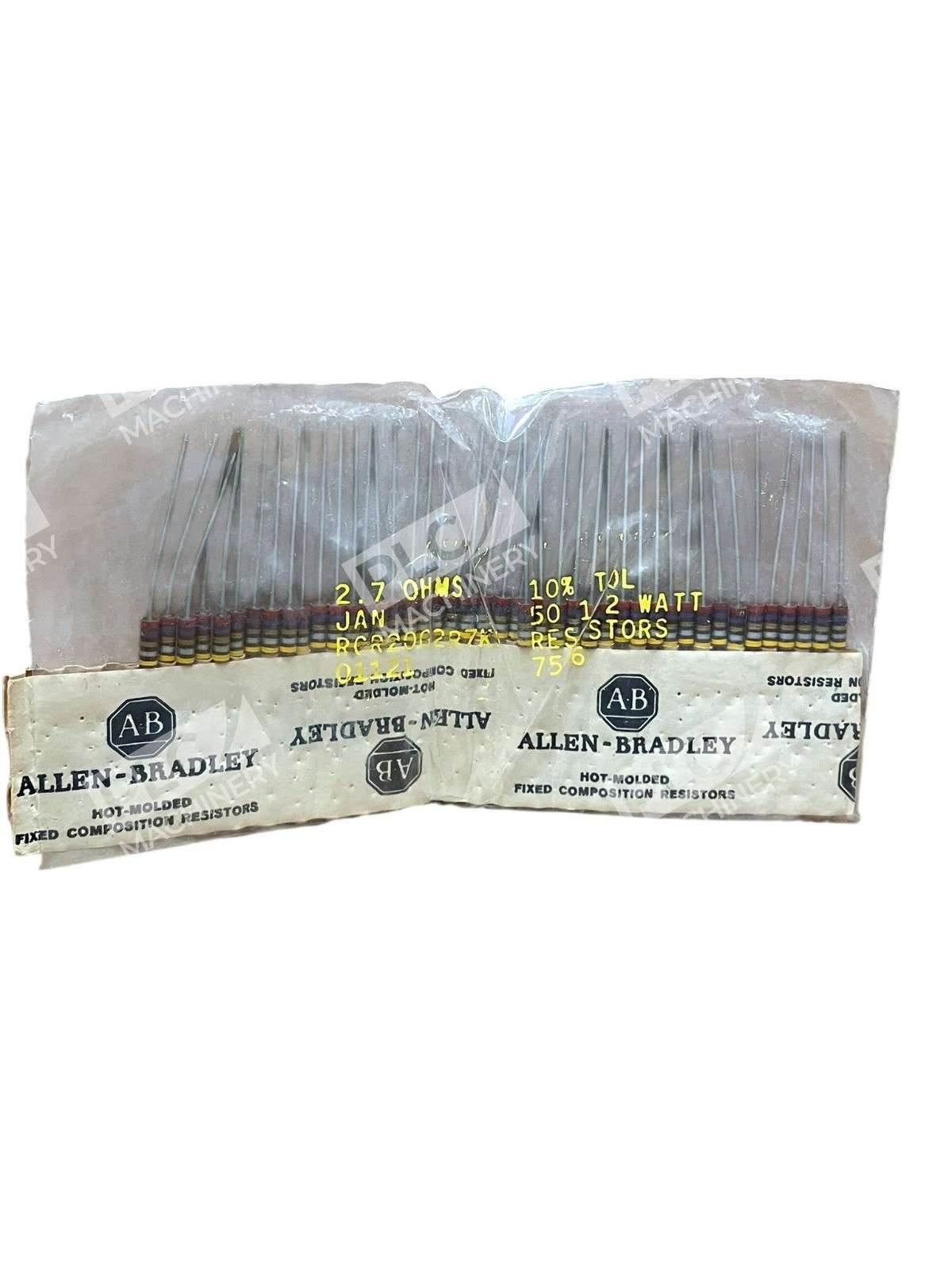
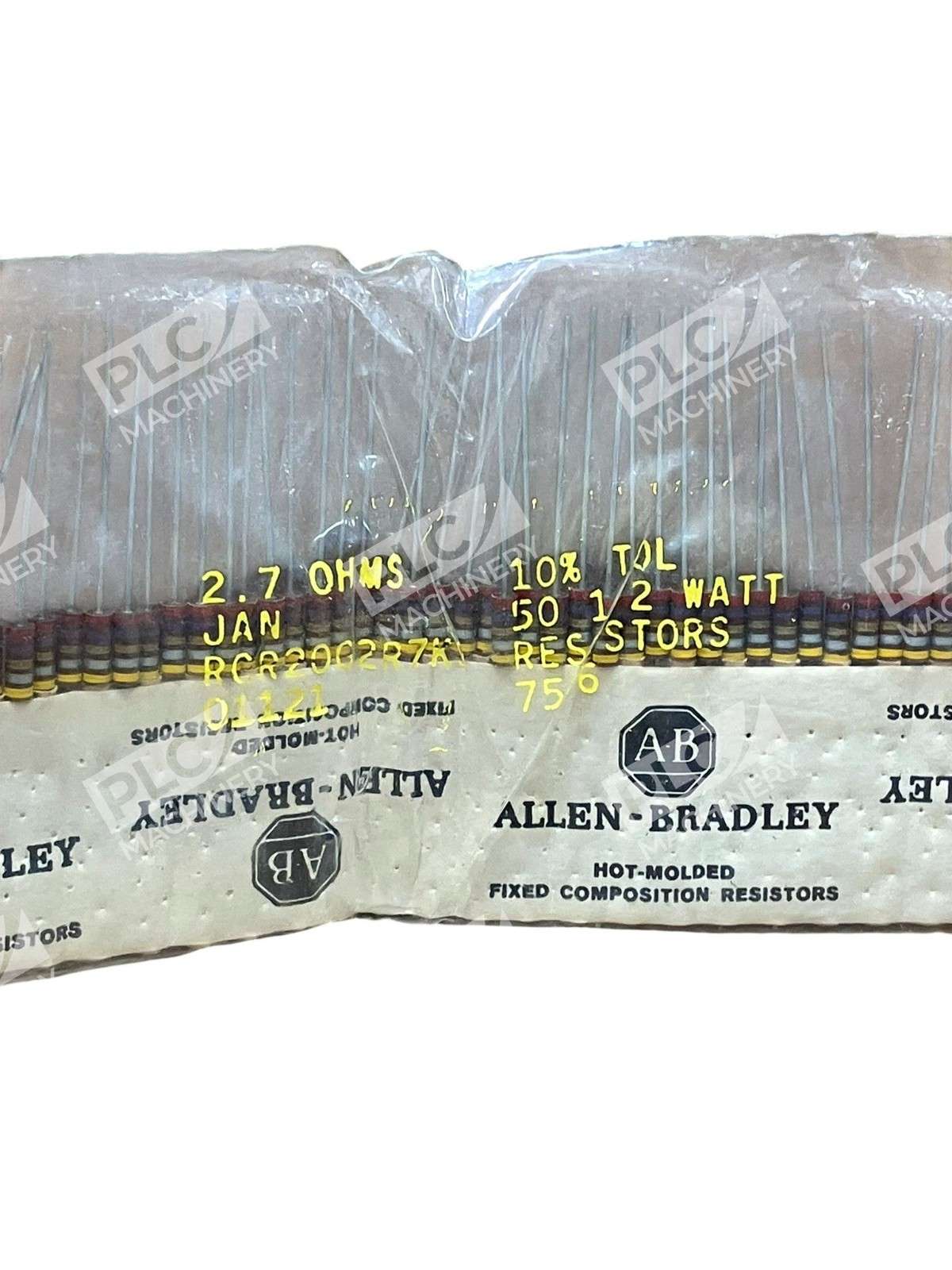
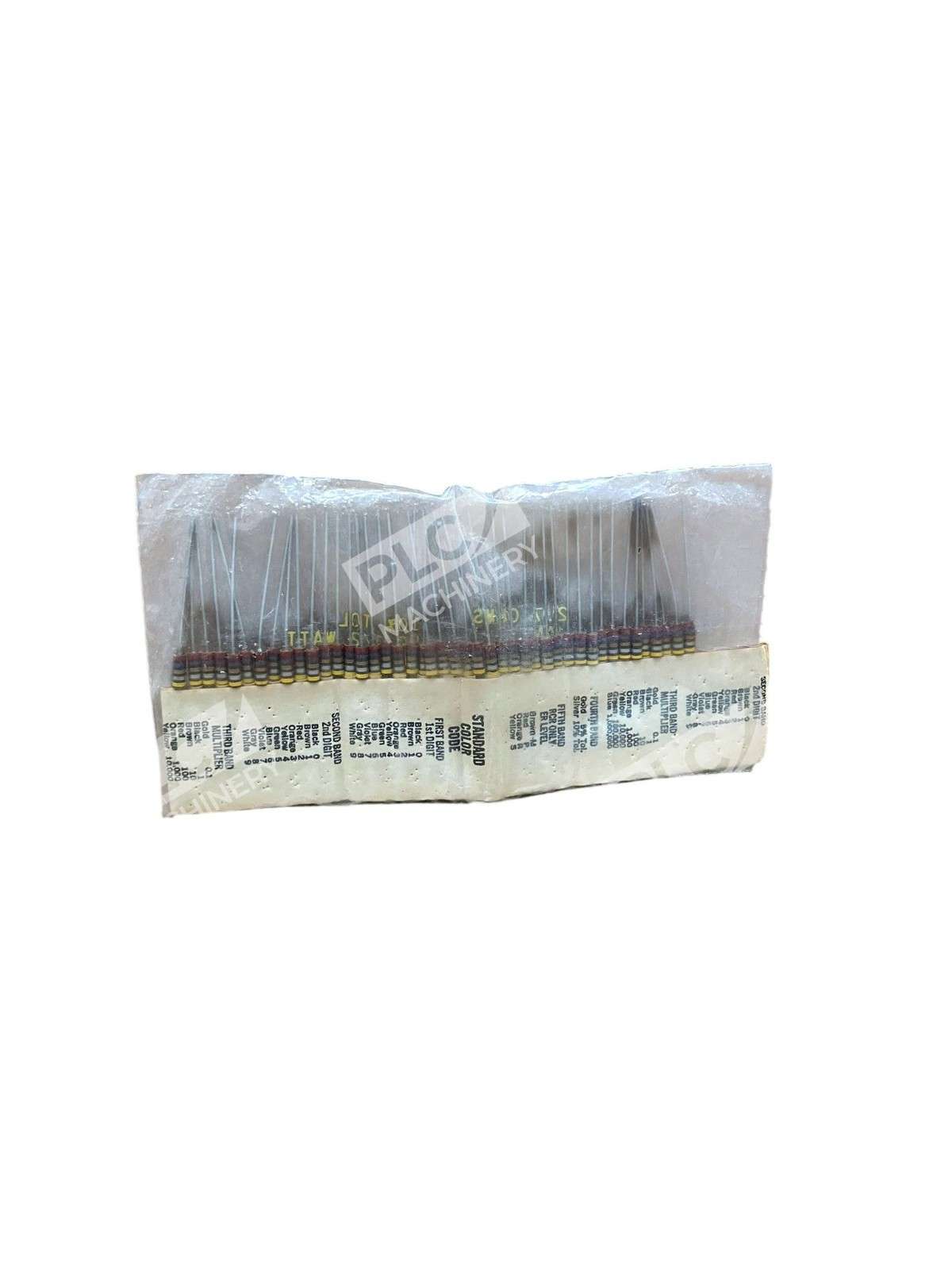
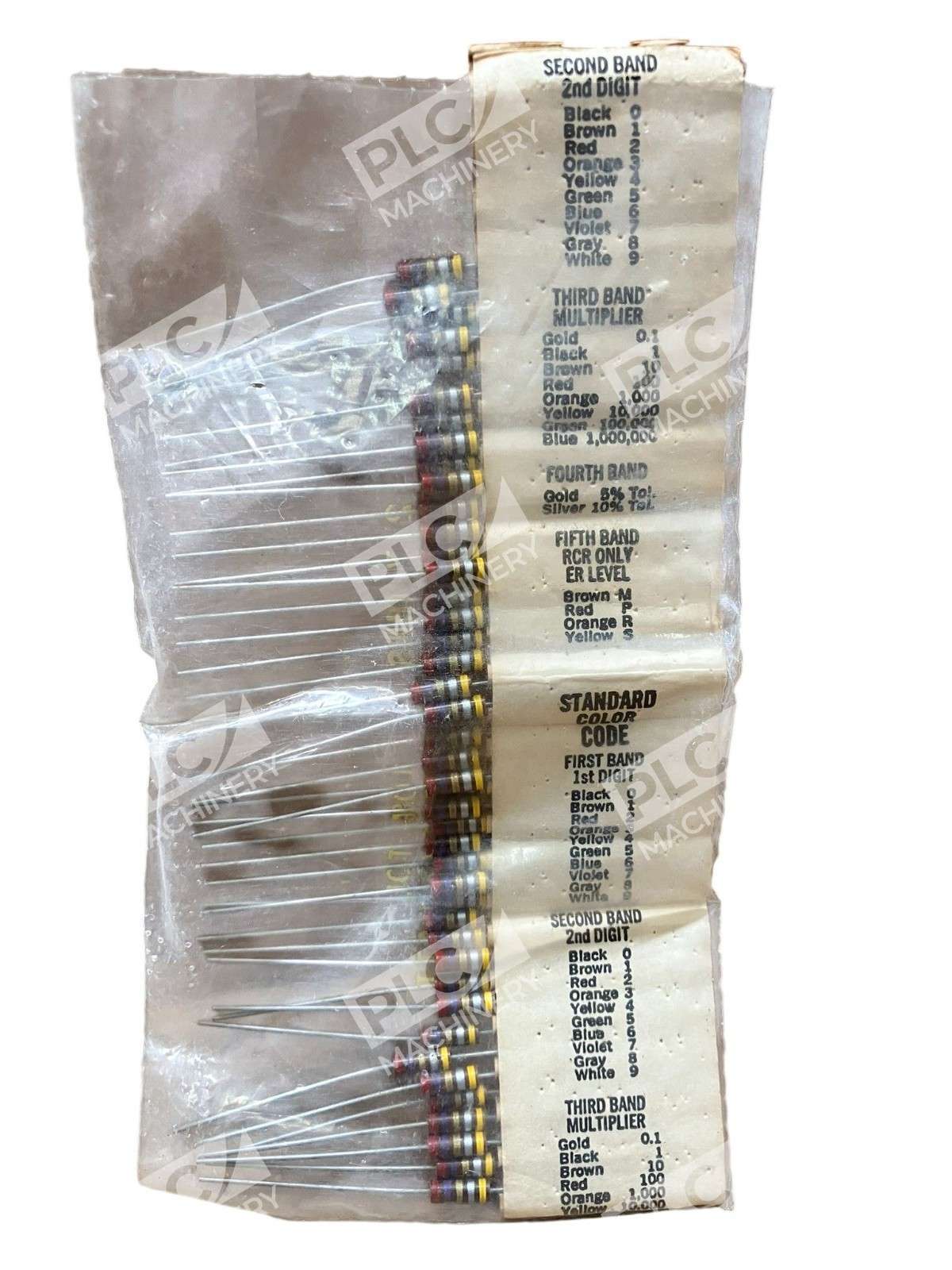
The Allen-Bradley RCR20G2R7K is a fixed carbon composition resistor designed to MIL-R-39008 specifications (military grade-S designation). With a resistance value of 2.7Ω and power rating of 1/2W (0.5W), this component is engineered for stability and reliability in demanding industrial control, test equipment, and electronic circuit applications. The RCR designation identifies this as a premium Allen-Bradley product with tighter manufacturing tolerances and superior performance characteristics compared to standard commercial grades.
Key Features
- Military-grade construction (MIL-R-39008 specification)
- Hot-molded carbon resistive element with embedded oxygen-free copper leads
- ±10% tolerance rating for precise circuit design
- Non-magnetic and non-inductive design
- Rugged through-hole mount configuration
Technical Specifications
- Resistance Value: 2.7Ω
- Power Rating: 1/2W (0.5W)
- Tolerance: ±10%
- Temperature Operating Range: Up to 70°C
- Lead Material: Oxygen-free copper
- Construction Type: Carbon composition (hot-molded)
- Voltage Rating: 250V
- Designation: Military grade-S (RCR series)
- Standard: MIL-R-39008
Typical Applications
- Industrial control systems and PLC peripheral circuits
- Test and measurement equipment
- Precision current limiting and current sensing networks
- Audio and hi-fi equipment
- Signal conditioning and power supply circuitry
Compatibility & Replacements
The Allen-Bradley RCR20G2R7K is a legacy component that remains in production for critical industrial applications. While direct cross-references within modern thin-film or metal-film resistor lines exist, the RCR20G2R7K’s carbon composite construction and non-inductive characteristics make it suitable for analog and audio circuits where frequency response and inherent characteristics of carbon-composition resistors are valued. This unit ships in new, factory condition and is fully compatible with vintage and restoration projects requiring authentic period components. For exact interchangeability, verify resistance tolerance and power dissipation requirements against your original bill of materials.