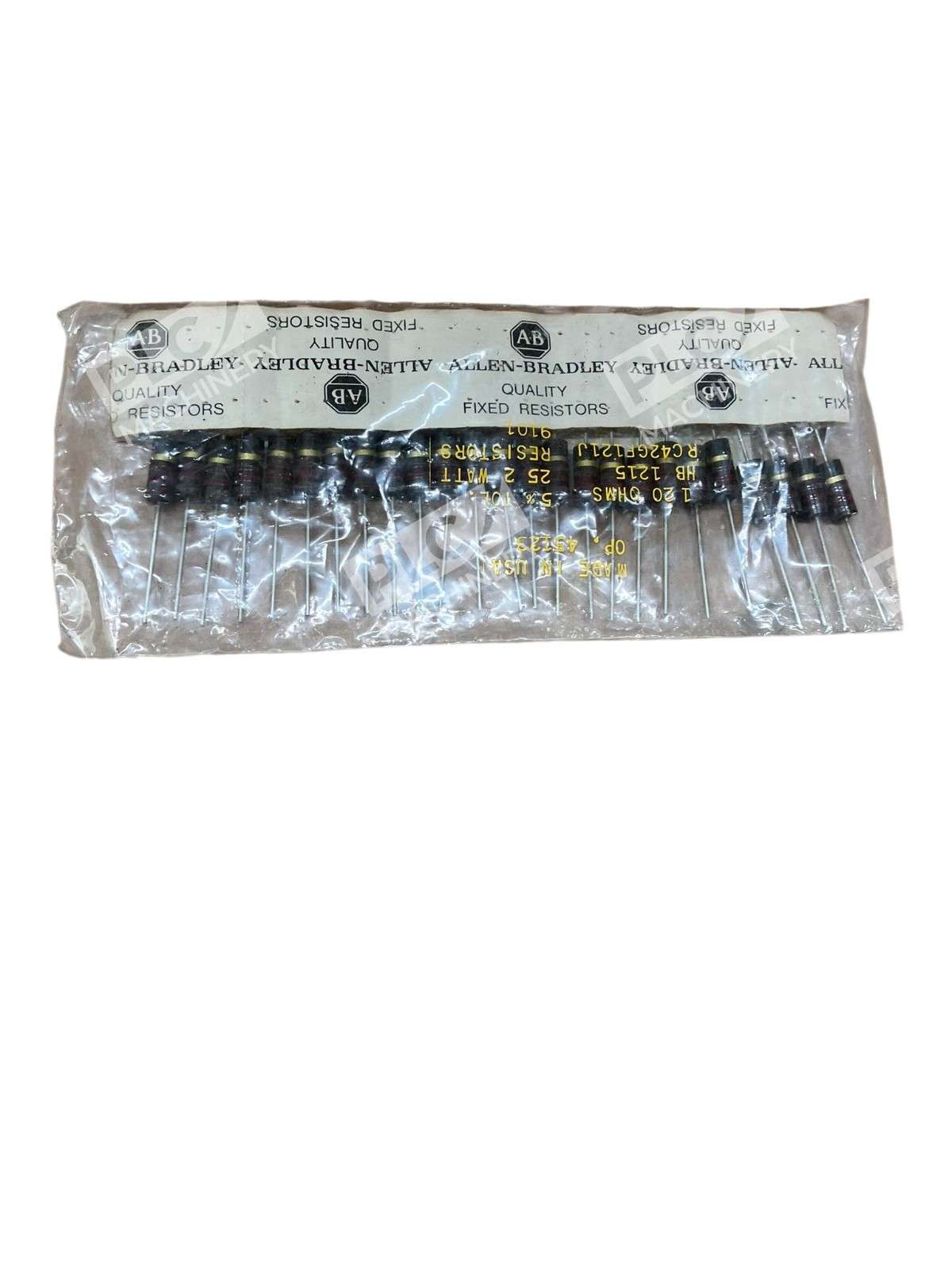


Overview
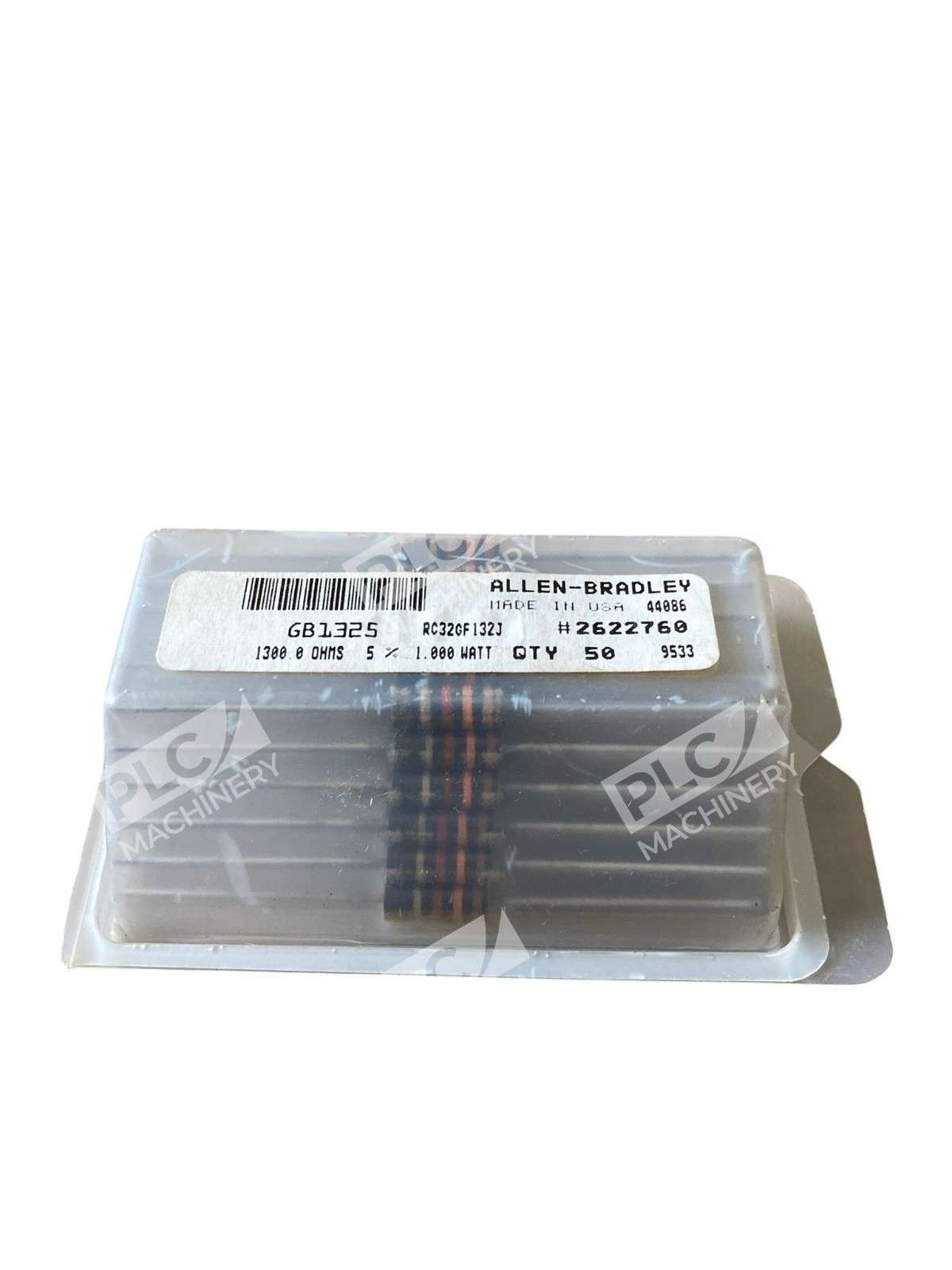
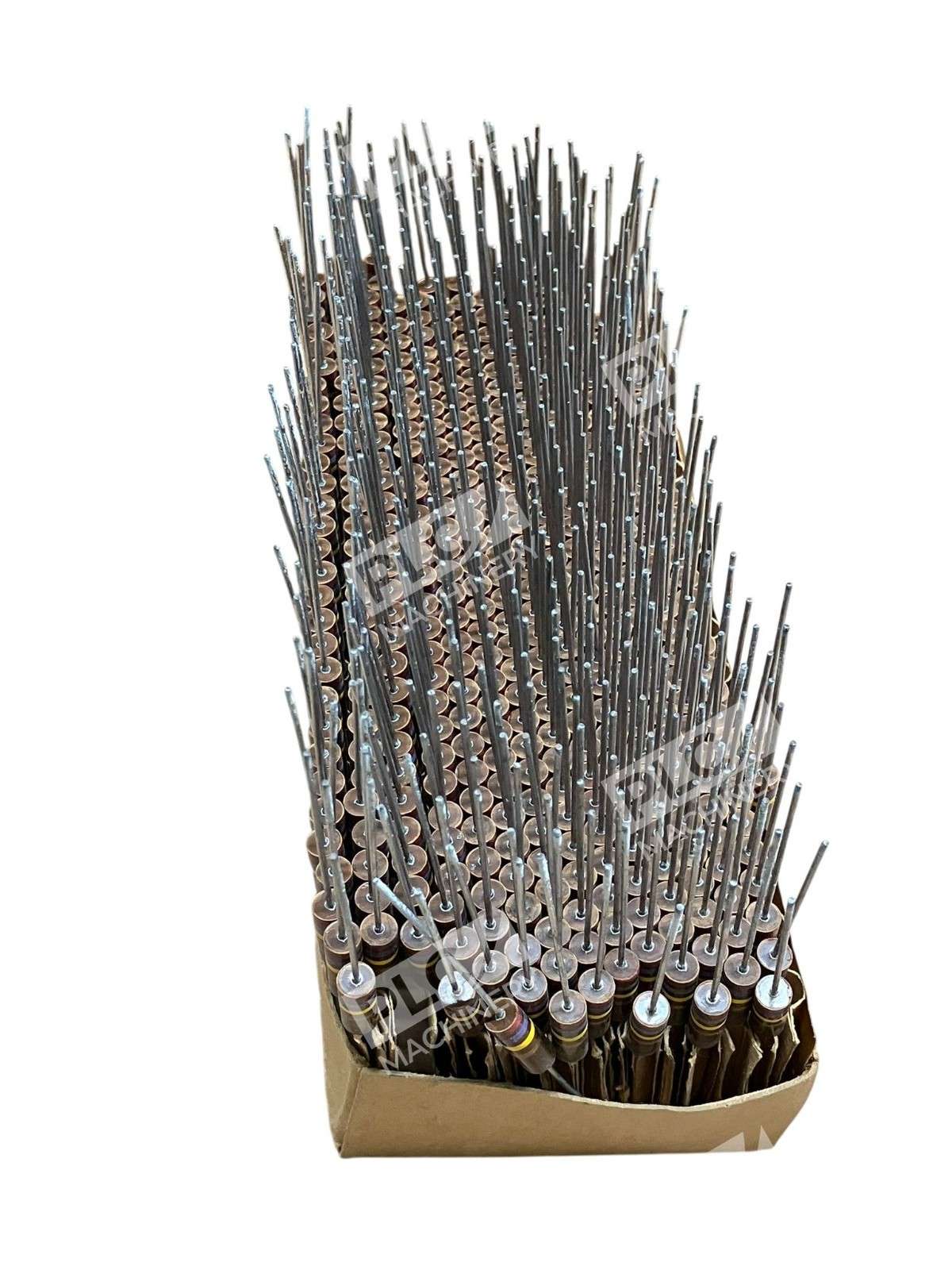
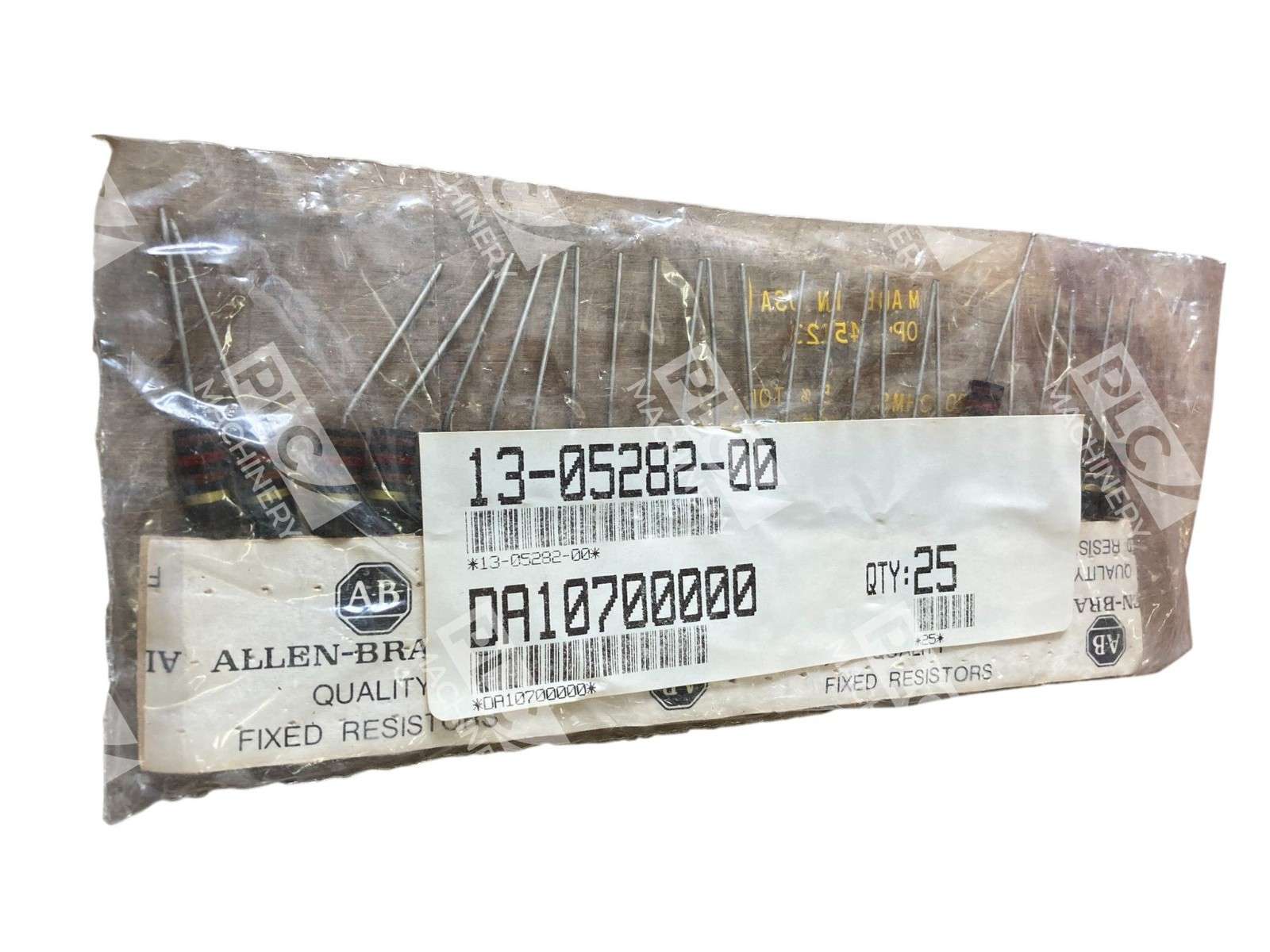
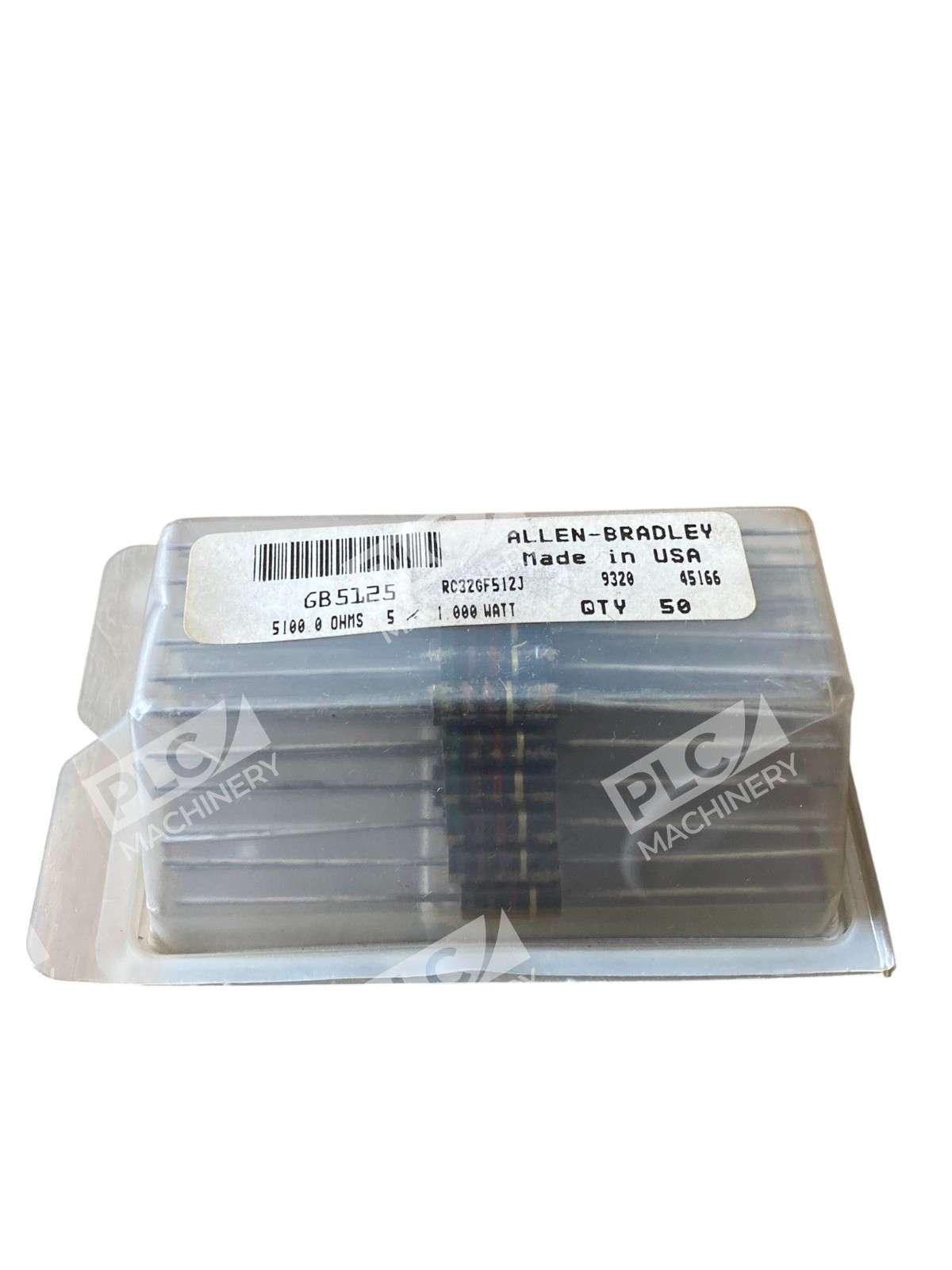
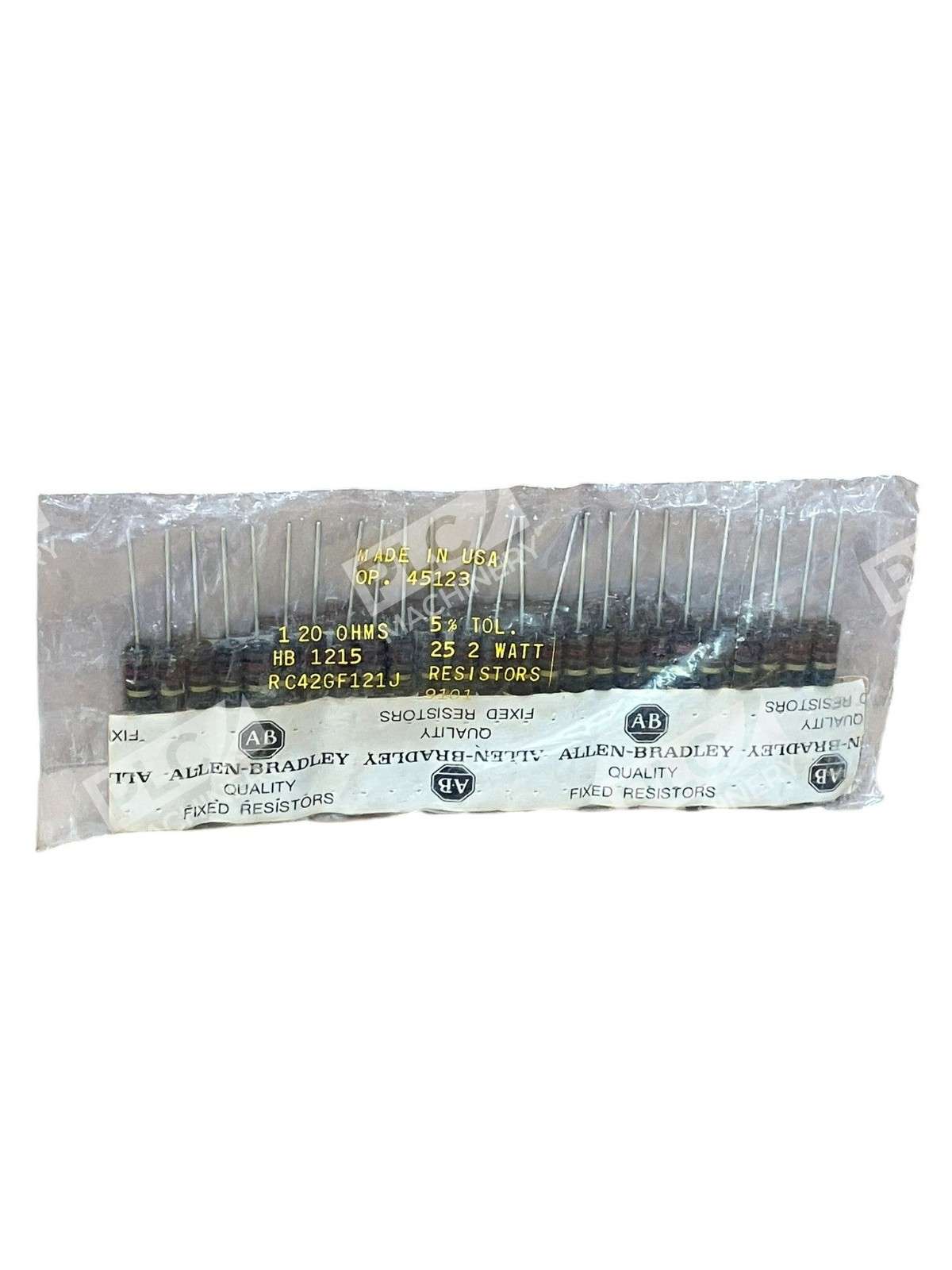
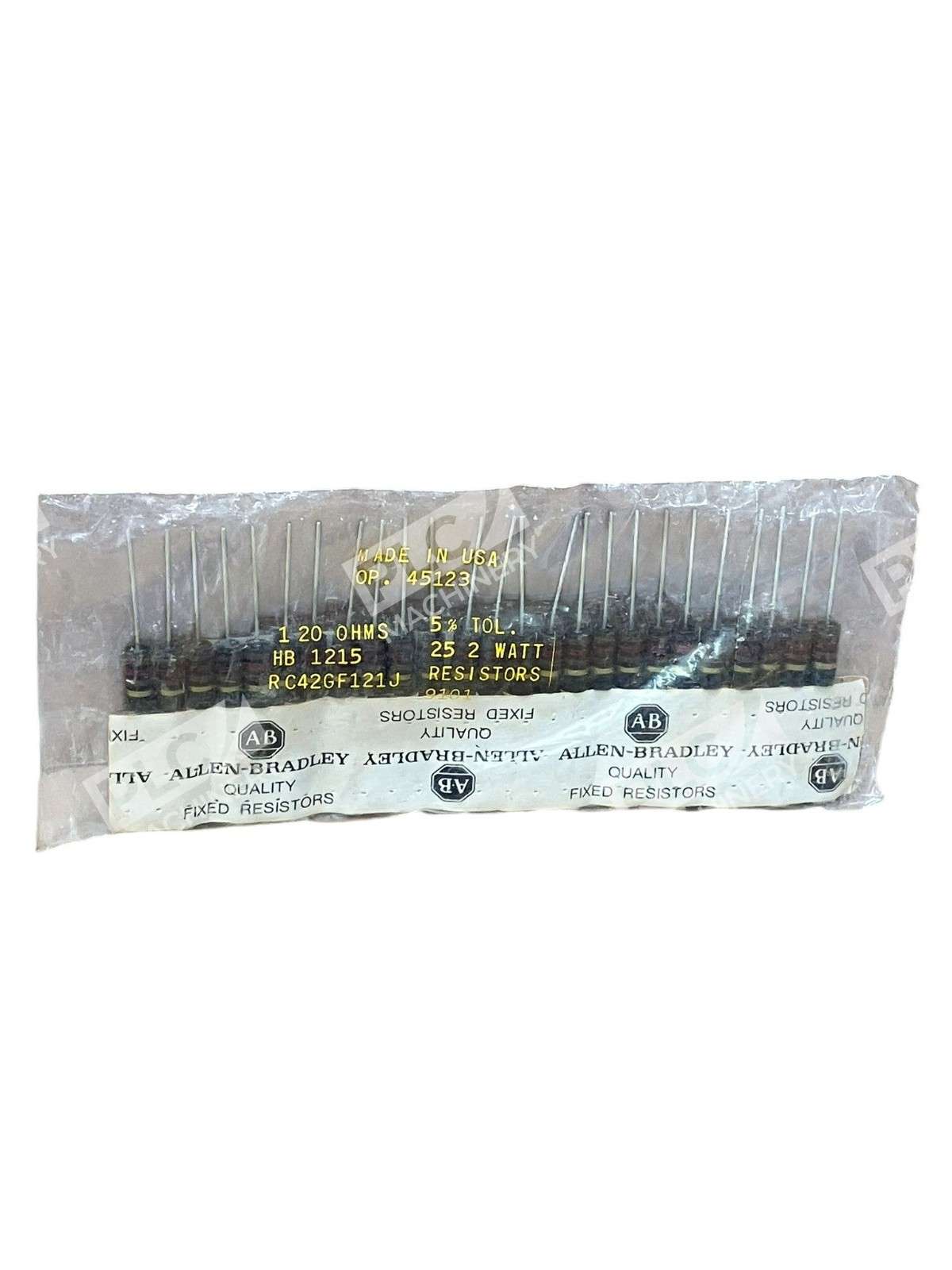
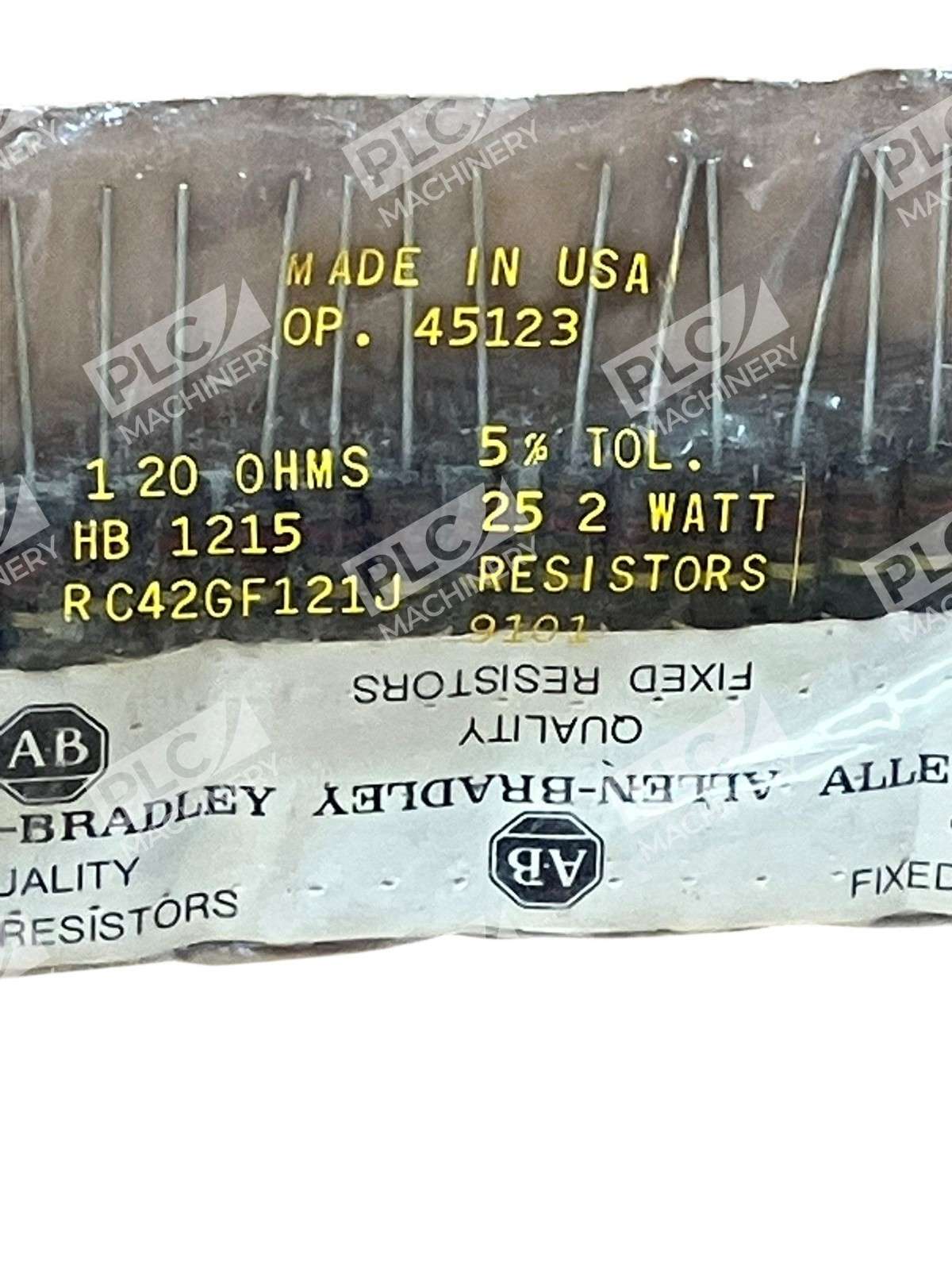
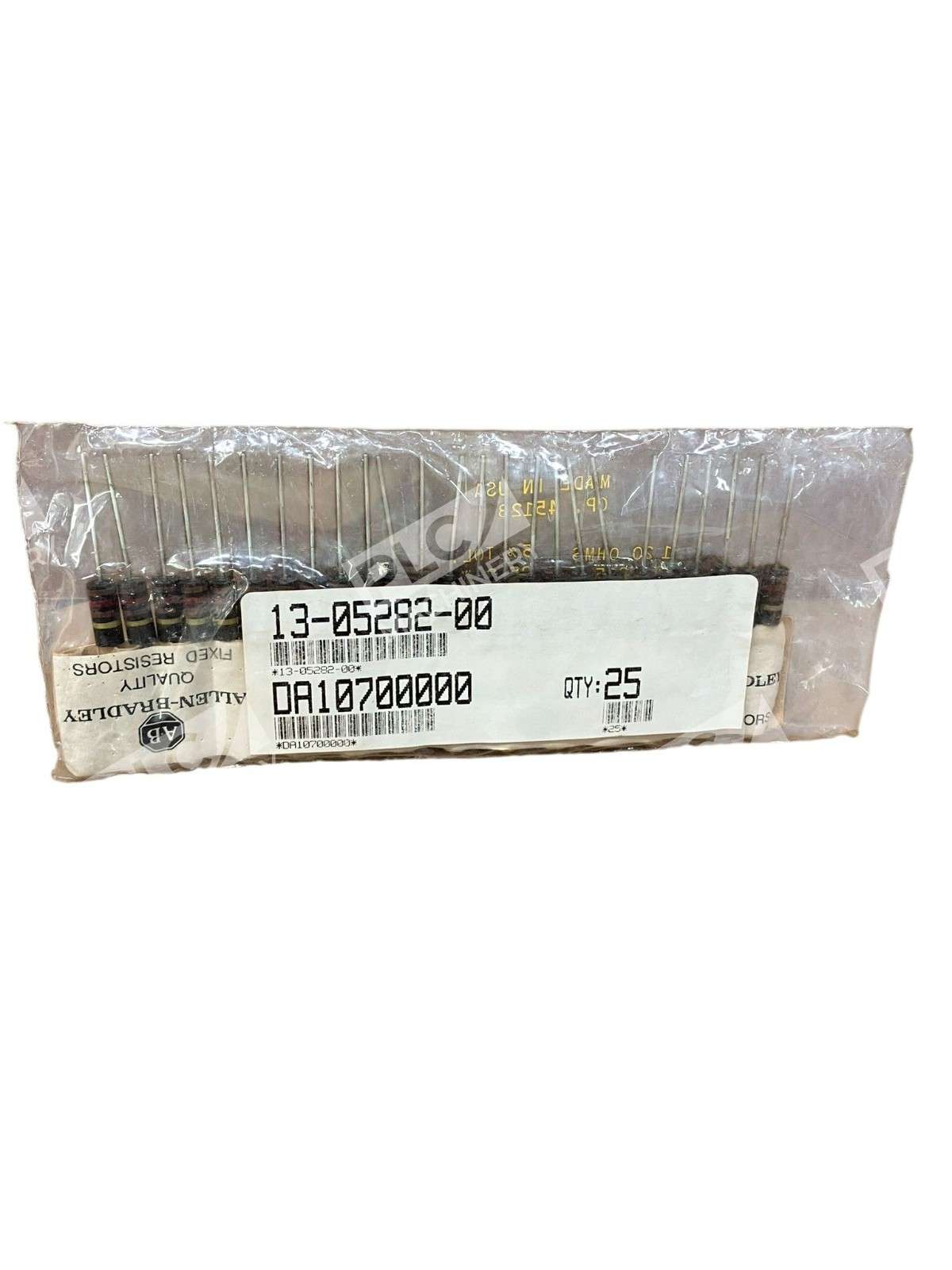
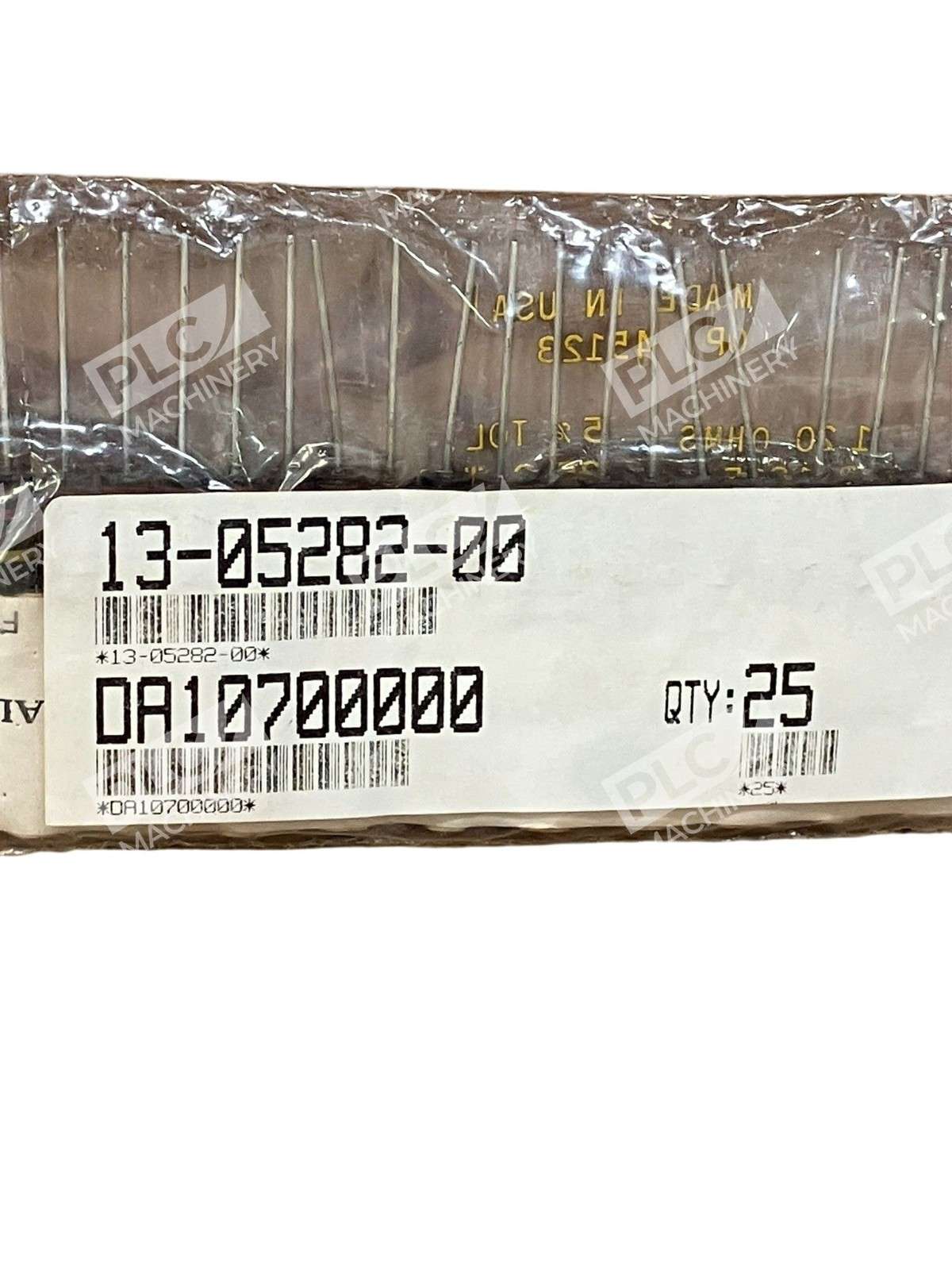
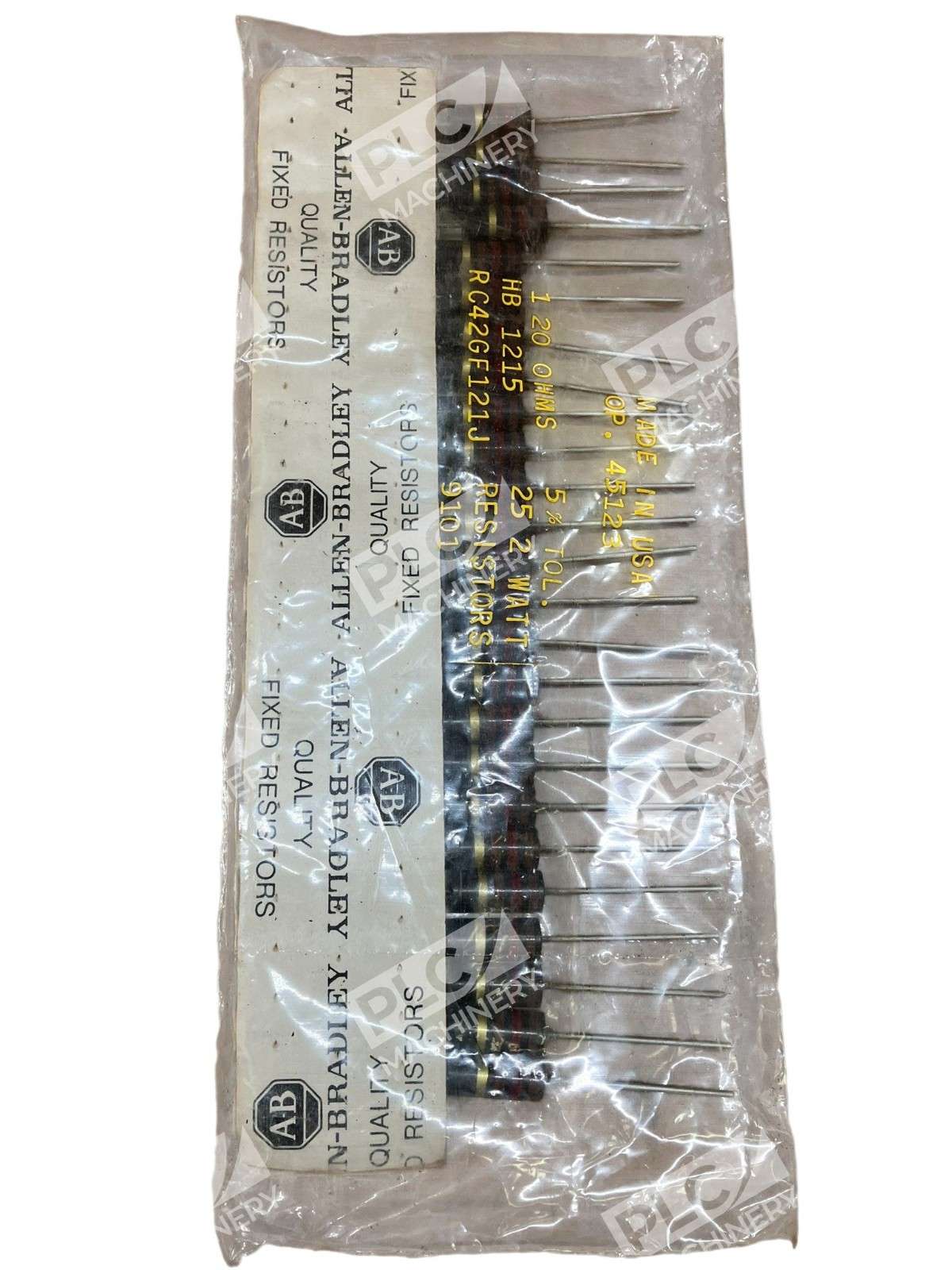
The Allen-Bradley RC42GF121J is a fixed carbon composition resistor engineered for industrial control circuits and general-purpose applications. With 120Ω resistance and 2W power rating, this component delivers the reliability demanded in manufacturing equipment, PLCs, drives, and legacy control systems. The RC42 series designation identifies this as a premium hot-molded carbon resistor manufactured to exacting specifications.
Key Features
- 2-watt power rating – handles higher dissipation in compact form factor
- ±5% tolerance – precise resistance value suitable for most analog and digital circuits
- Hot-molded construction – exceptionally rugged with low inductance and non-magnetic properties
- Axial lead design – standard for through-hole mounting and breadboard applications
- Wide operating temperature range – stable performance across industrial environments
Technical Specifications
- Resistance: 120Ω
- Power Rating: 2W
- Tolerance: ±5%
- Type: Carbon Composition (hot-molded)
- Configuration: Axial lead
- Voltage Rating: 500V (nominal)
- Temperature Coefficient: Typical ±1000 ppm/°C
- Frequency Response: DC to RF; negligible inductance
Typical Applications
RC42GF resistors serve in:
- Industrial control circuits and relay drivers
- PLC analog input/output modules
- Motor control and soft-start circuits
- Legacy equipment and retrofit repairs
- Signal conditioning and impedance matching
- Power supply protective loads and snubber networks
Compatibility & Replacements
The RC42GF121J is interchangeable with equivalent 120Ω 2W carbon composition resistors from the RC42 industrial series. This part number format (RC42 + GF + 121 + J) follows Allen-Bradley’s standard coding: “GF” denotes 2W industrial type, “121” encodes 120Ω (12 × 10¹), and “J” indicates ±5% tolerance. For direct OEM replacements in industrial systems, verify your circuit schematic and compare voltage/power ratings before substitution. Modern thin-film or metal oxide alternatives with equivalent specs may reduce noise in some analog applications but may not replicate the original frequency response.