

Overview
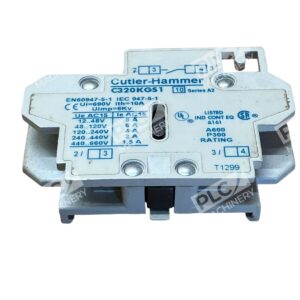
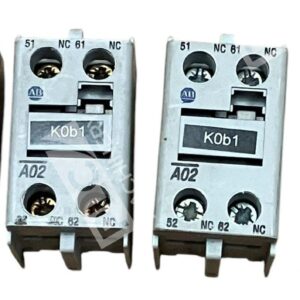
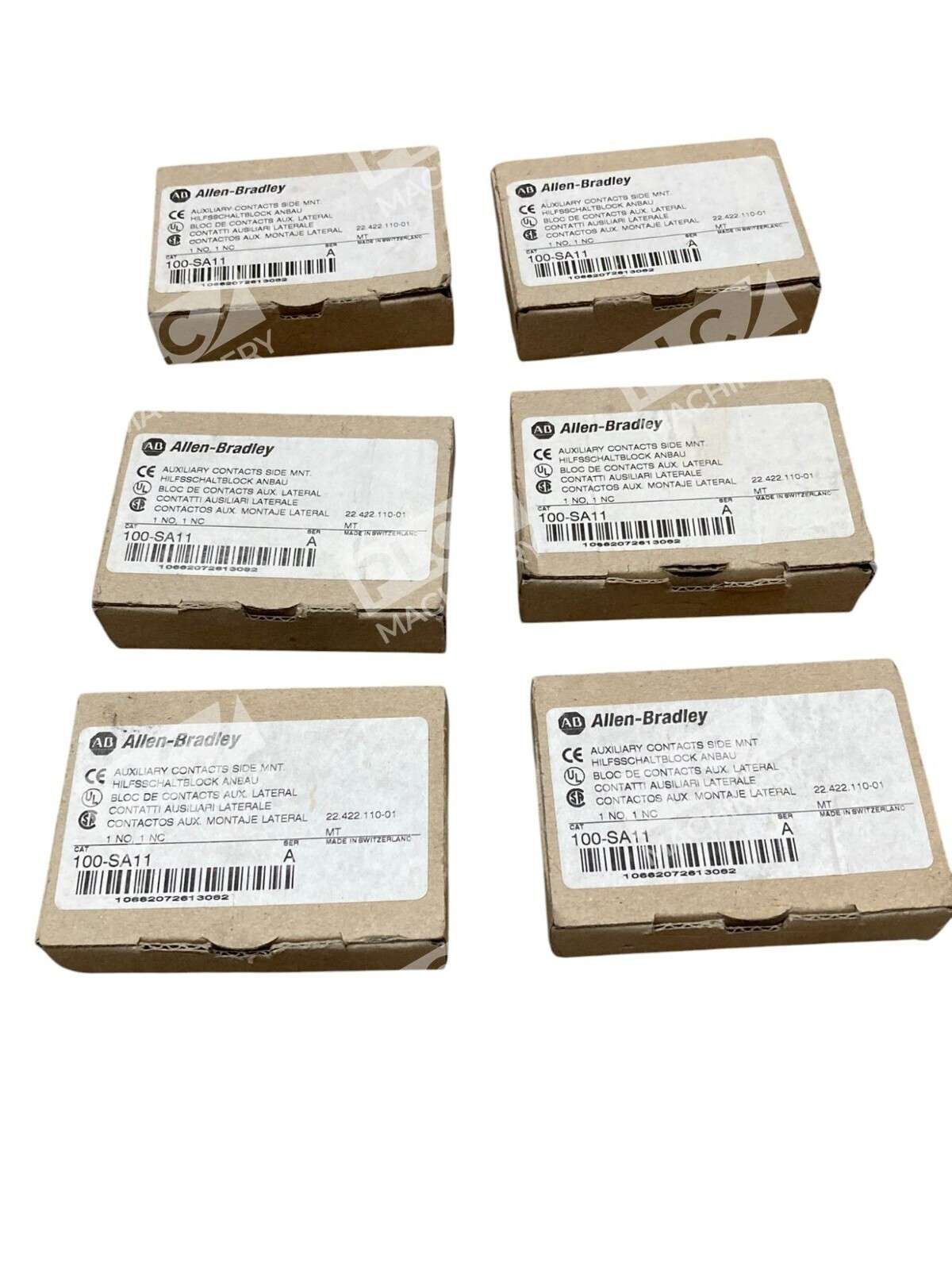
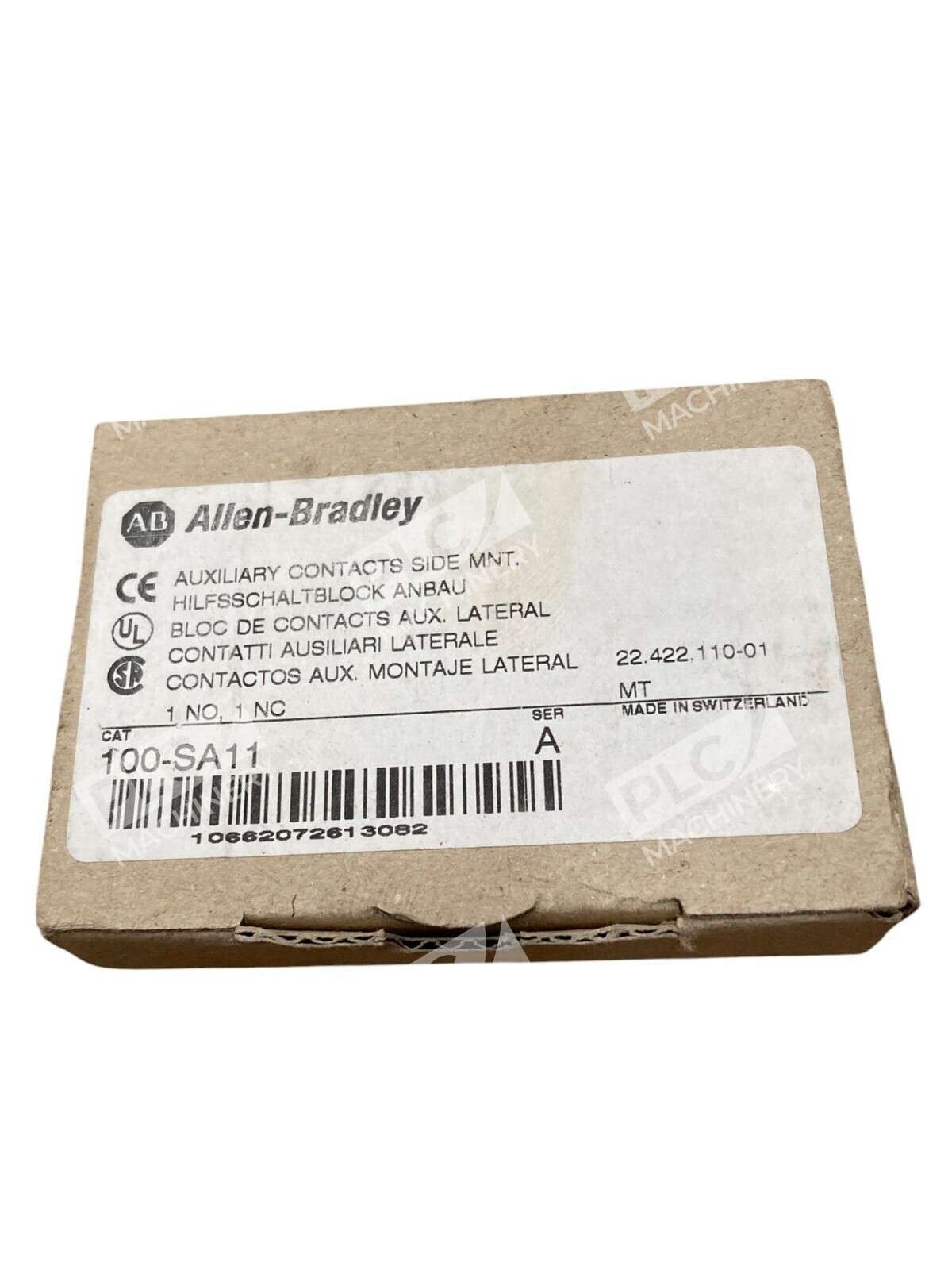
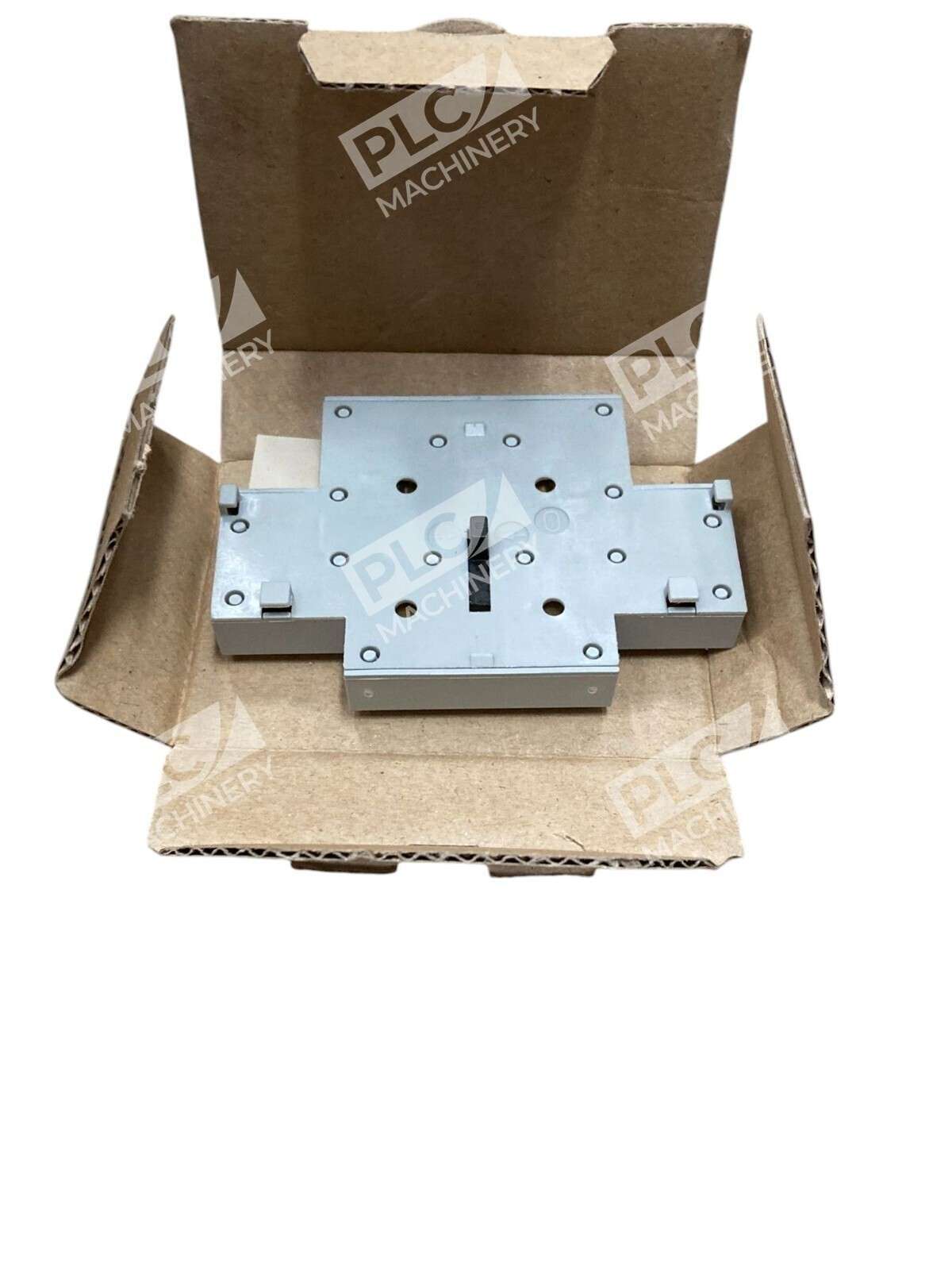
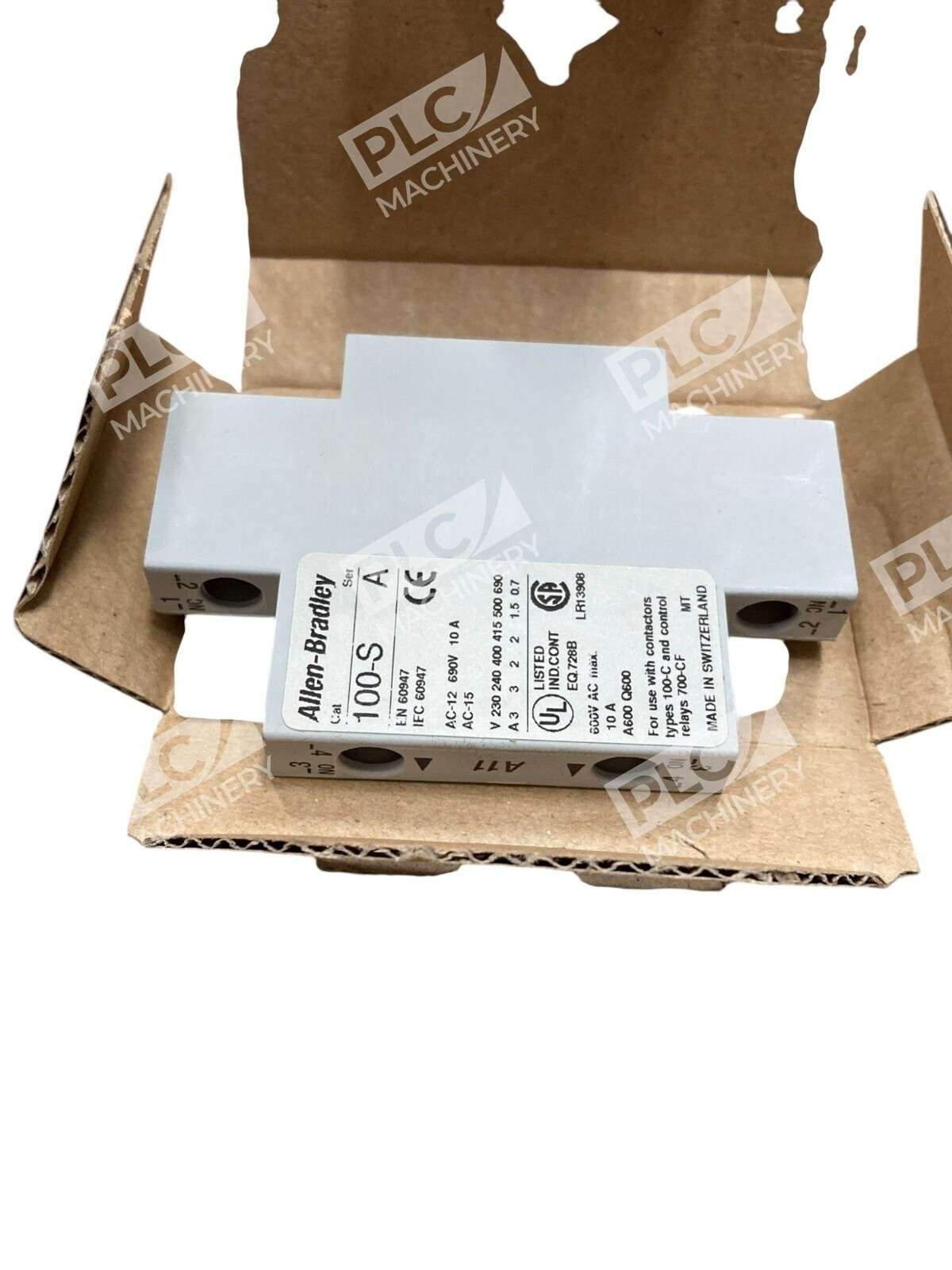
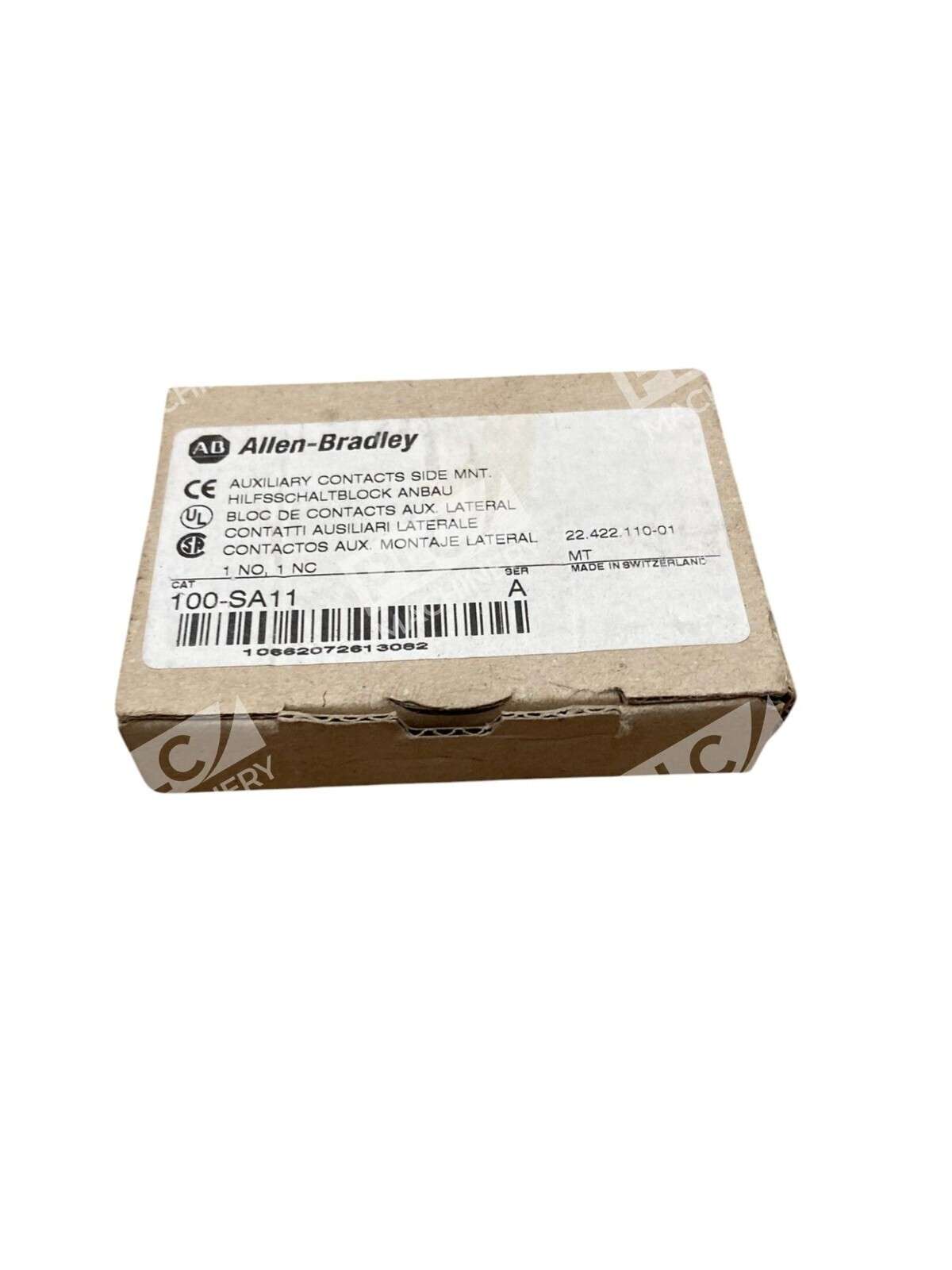
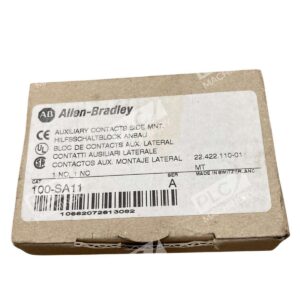
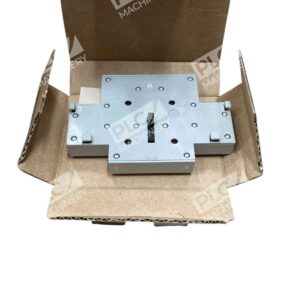
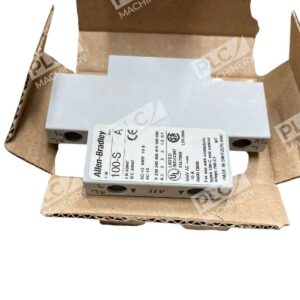
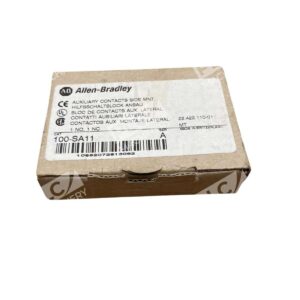
Allen-Bradley 100-SA11 auxiliary contact blocks mount directly to the side of 100-C series contactors, providing additional normally open and normally closed contacts for logic, interlock, and status signal applications. The 100-SA11 is a side-mounting auxiliary contact block for 100-C contactors, and is also compatible with 104-C, 700-CF, and 700S-CF contactors. These blocks are essential when you need extra contact pairs without purchasing additional relay hardware.
Key Features
- One normally open and one normally closed configuration with side mounting
- Quick and easy mounting without tools
- No sequence numbering designations, allowing flexibility in wiring configuration
- 2 pole auxiliary contact block design
- Compatible with MCS-rated 100-C through 100-C97 contactors
Technical Specifications
The 100-SA11 provides predictable electrical characteristics that integrate seamlessly with existing contactor installations. Rated for 600 VAC operation, these blocks are certified to meet multiple industrial standards including UL, CUL, CCC, and KC approvals.
- Contact configuration: 1 NO, 1 NC
- Poles: 2
- Mounting: Side
- Voltage rating: 600 VAC
- Terminal type: Tension clamp spring terminals
- Standards: CCC, CUL, KC, UL
Typical Applications
These auxiliary contact blocks are used wherever additional contacts are needed on a control system without adding separate relays. Common applications include:
- Motor starter interlocks and redundant circuit monitoring
- Machine status and fault signaling to SCADA/PLC systems
- Safety circuit confirmation and cross-tied logic control
- Equipment diagnostics and alarm feedback
- Multi-circuit load sequencing and bypass logic
Compatibility & Replacements
The 100-SA11 is compatible with 100-C09 through 100-C97 contactors. This block is often specified as an upgrade to existing contactors that lack sufficient auxiliary contacts, or as a cost-effective alternative to panel-mounted auxiliary relays. Lot quantities ensure you have spares for field service and new builds. Always verify mounting orientation and terminal designations against your specific contactor model before installation.