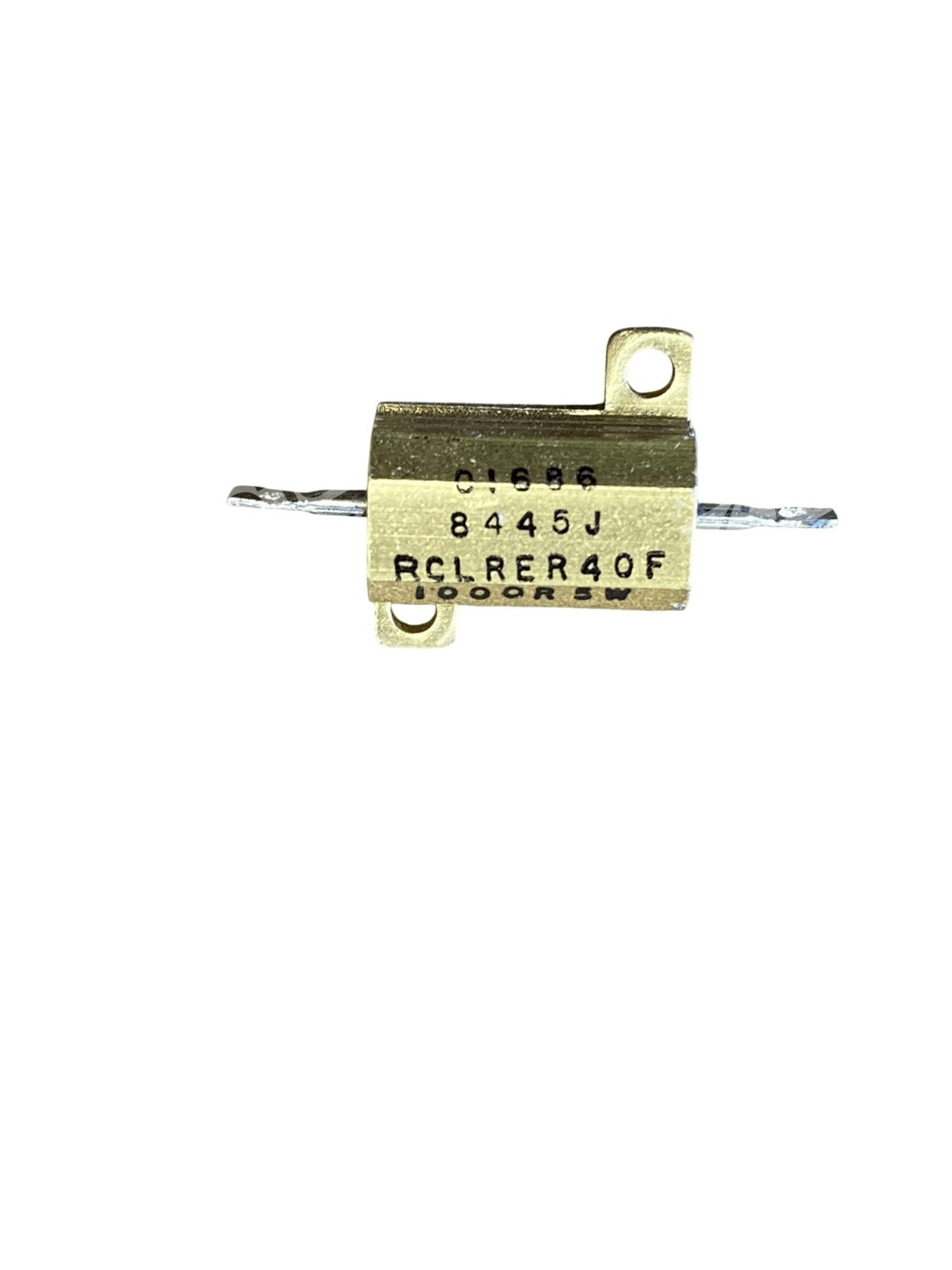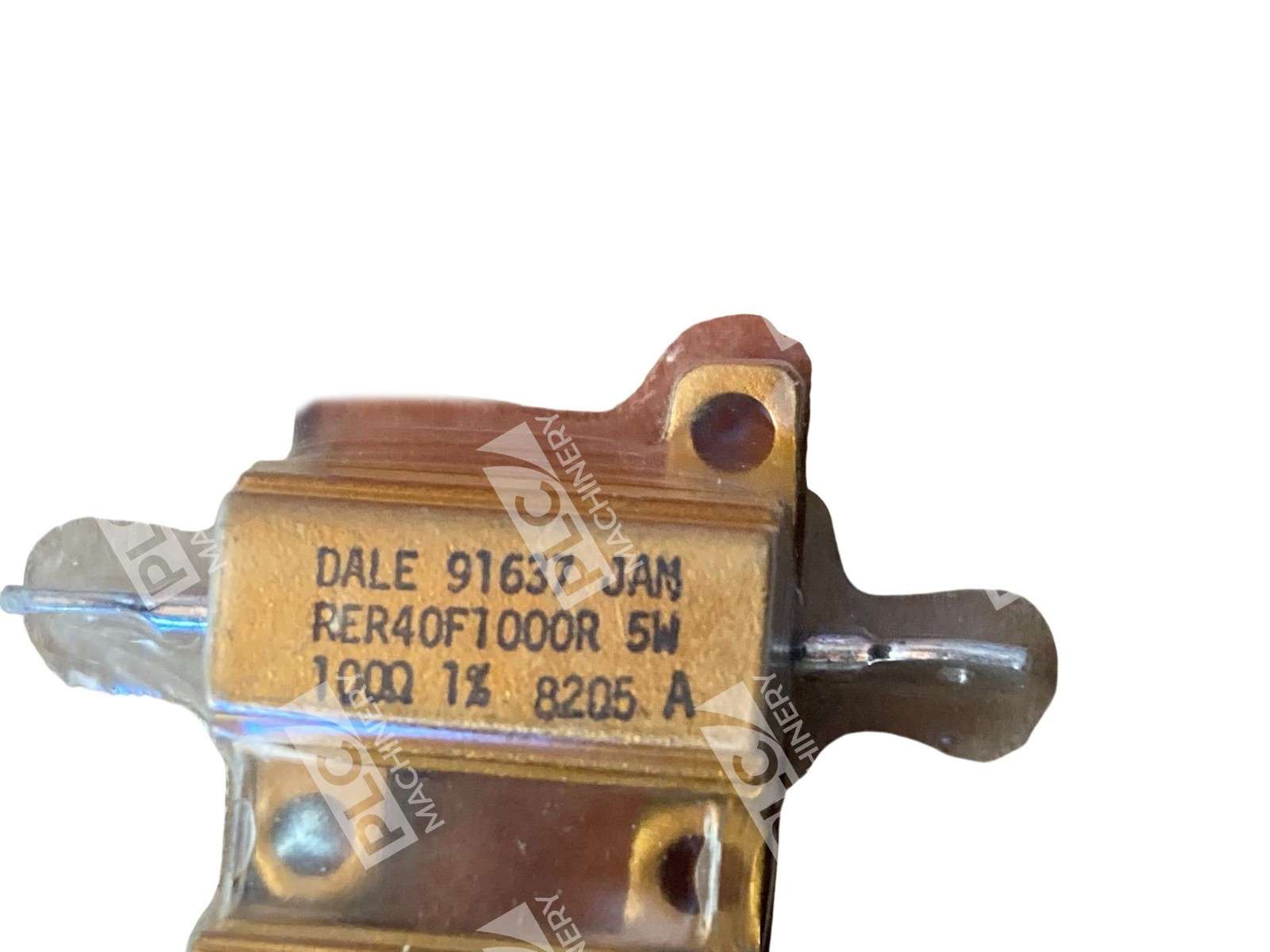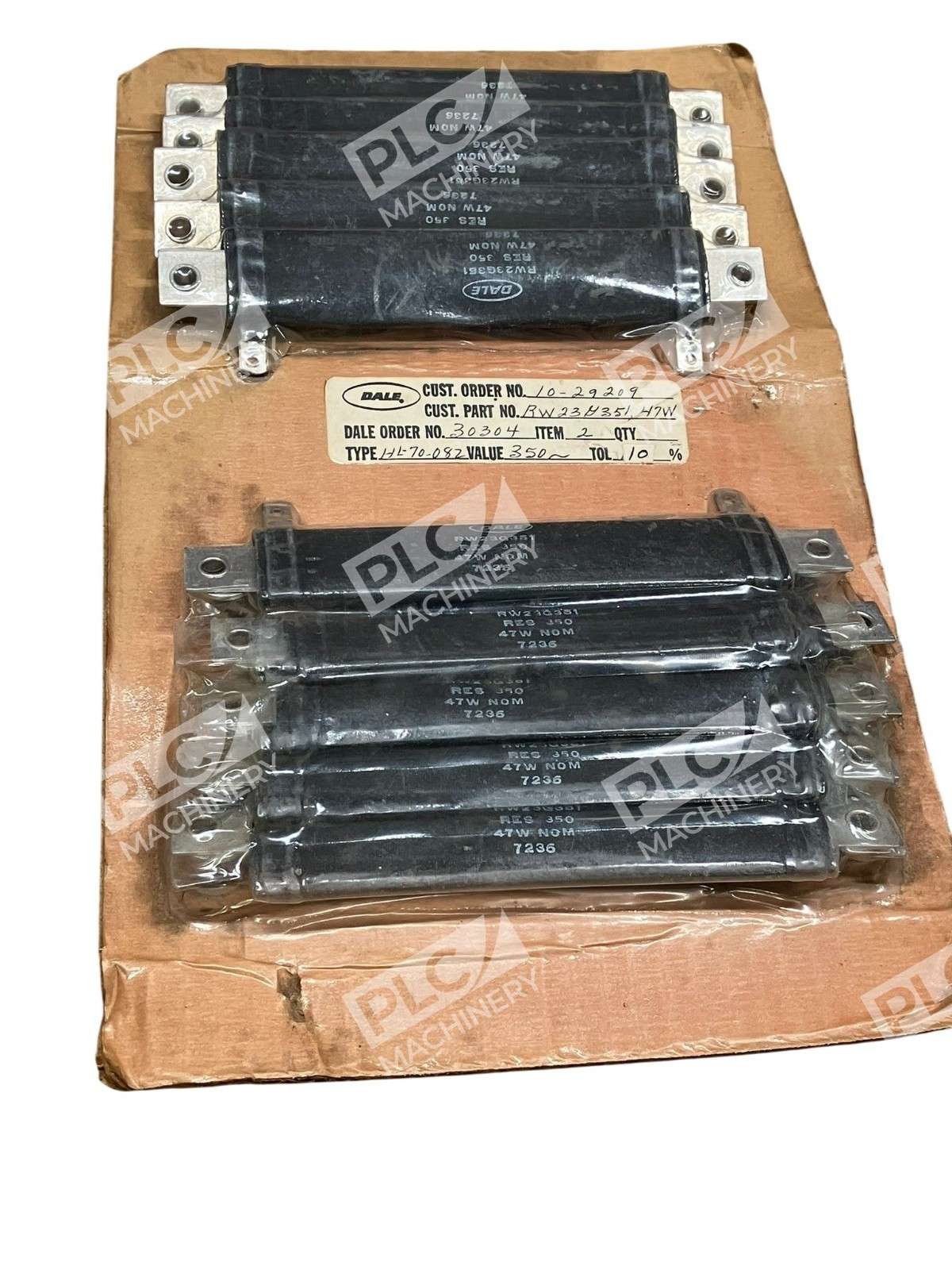


Overview
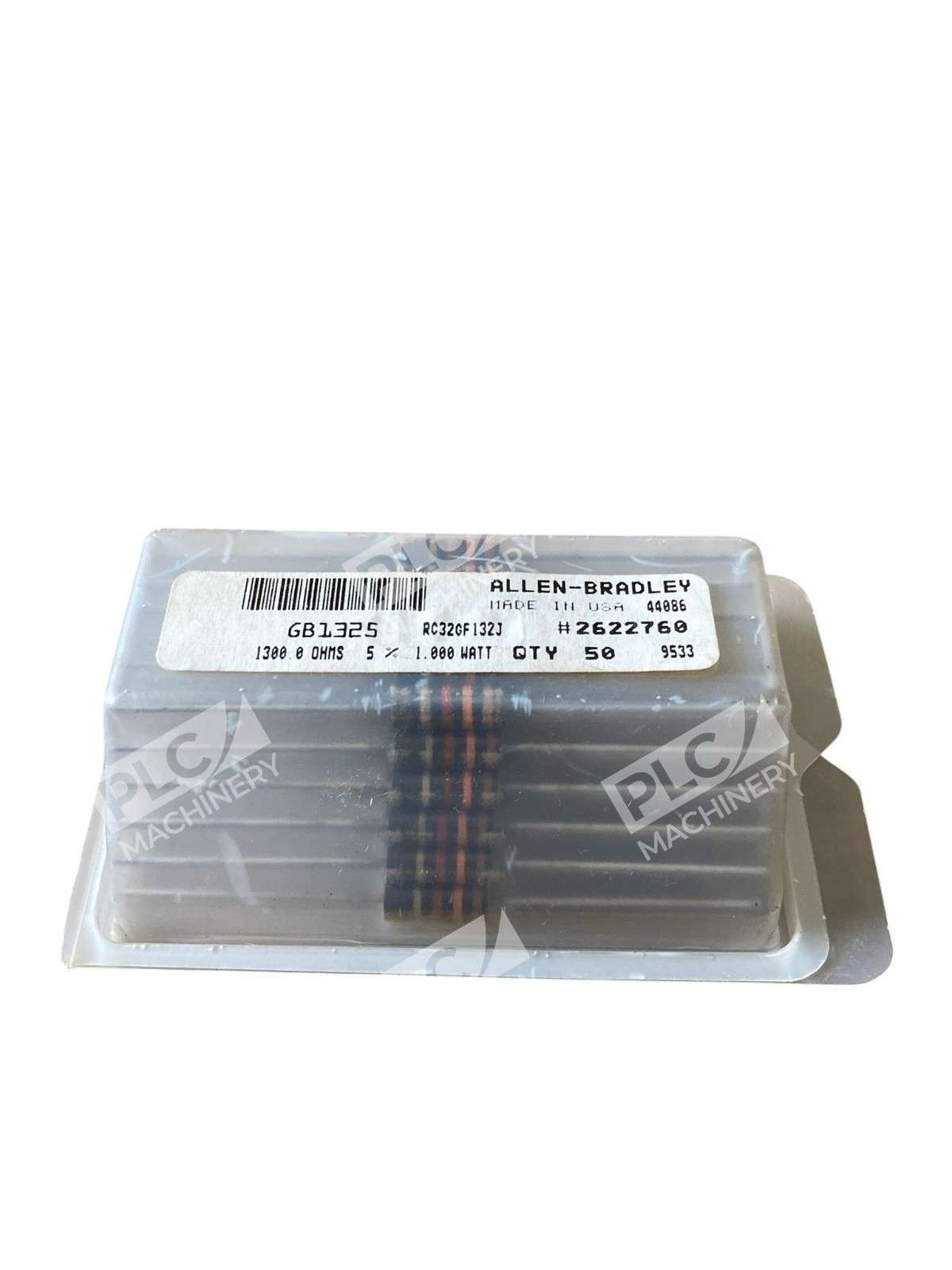
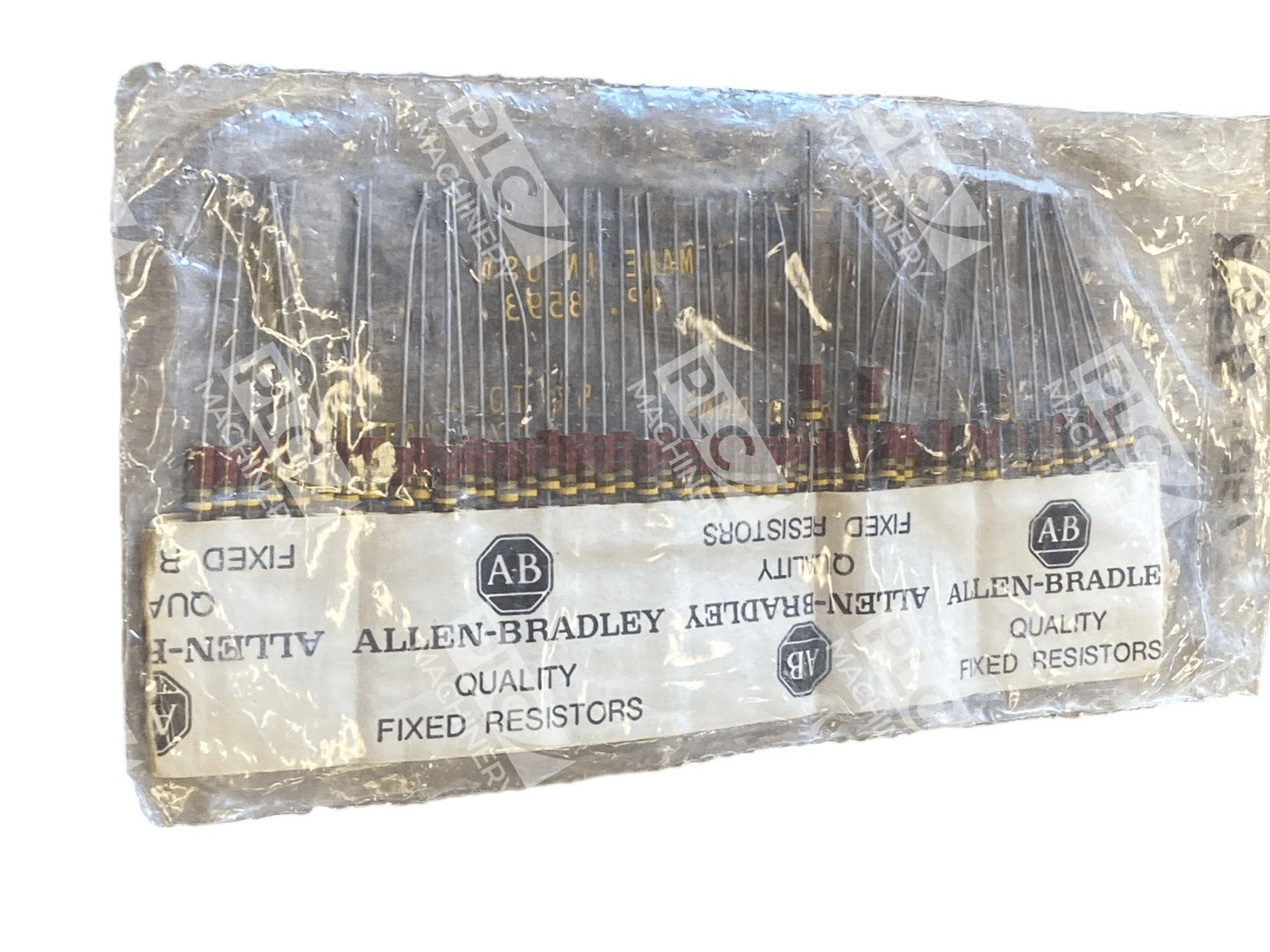
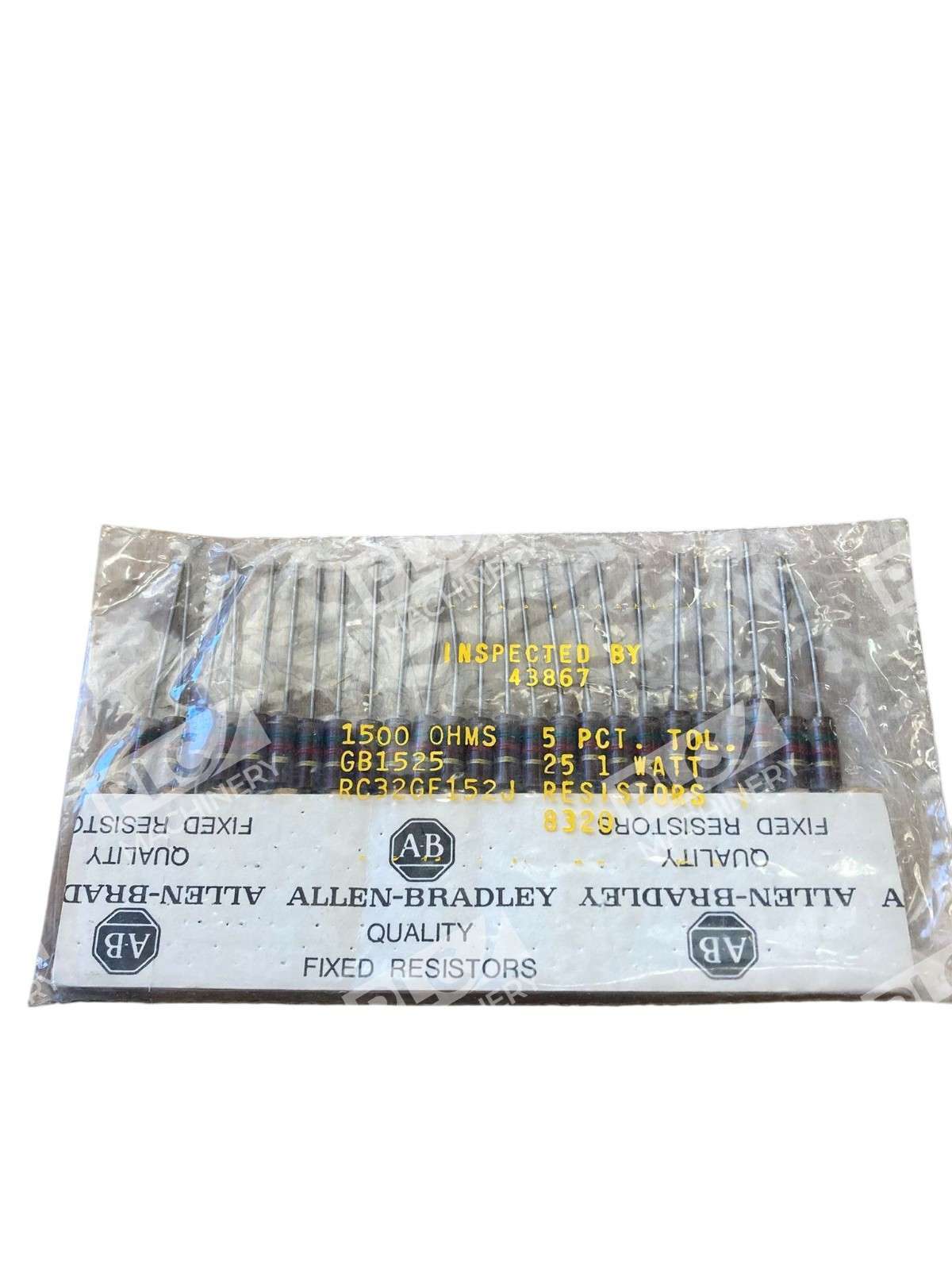
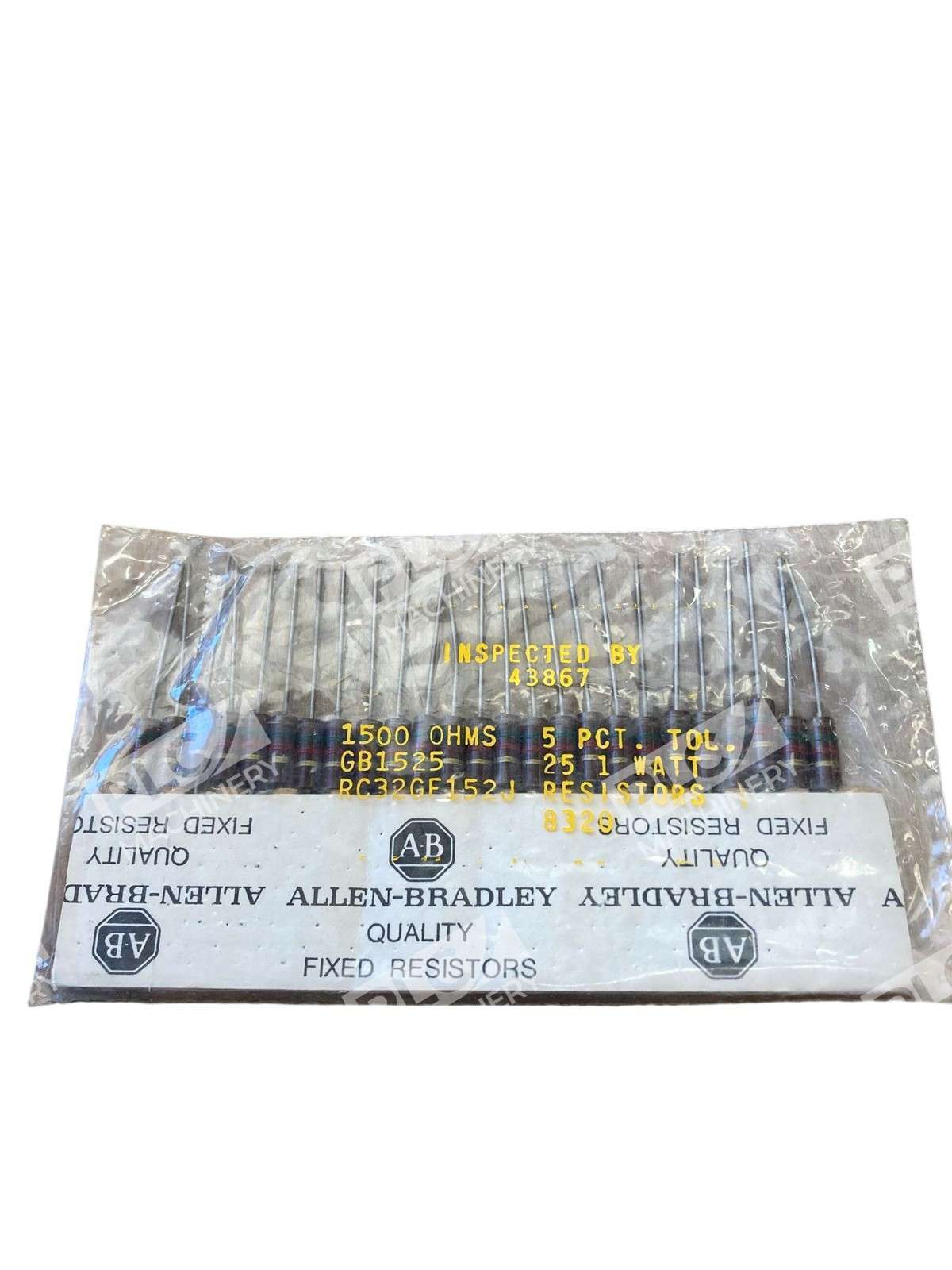
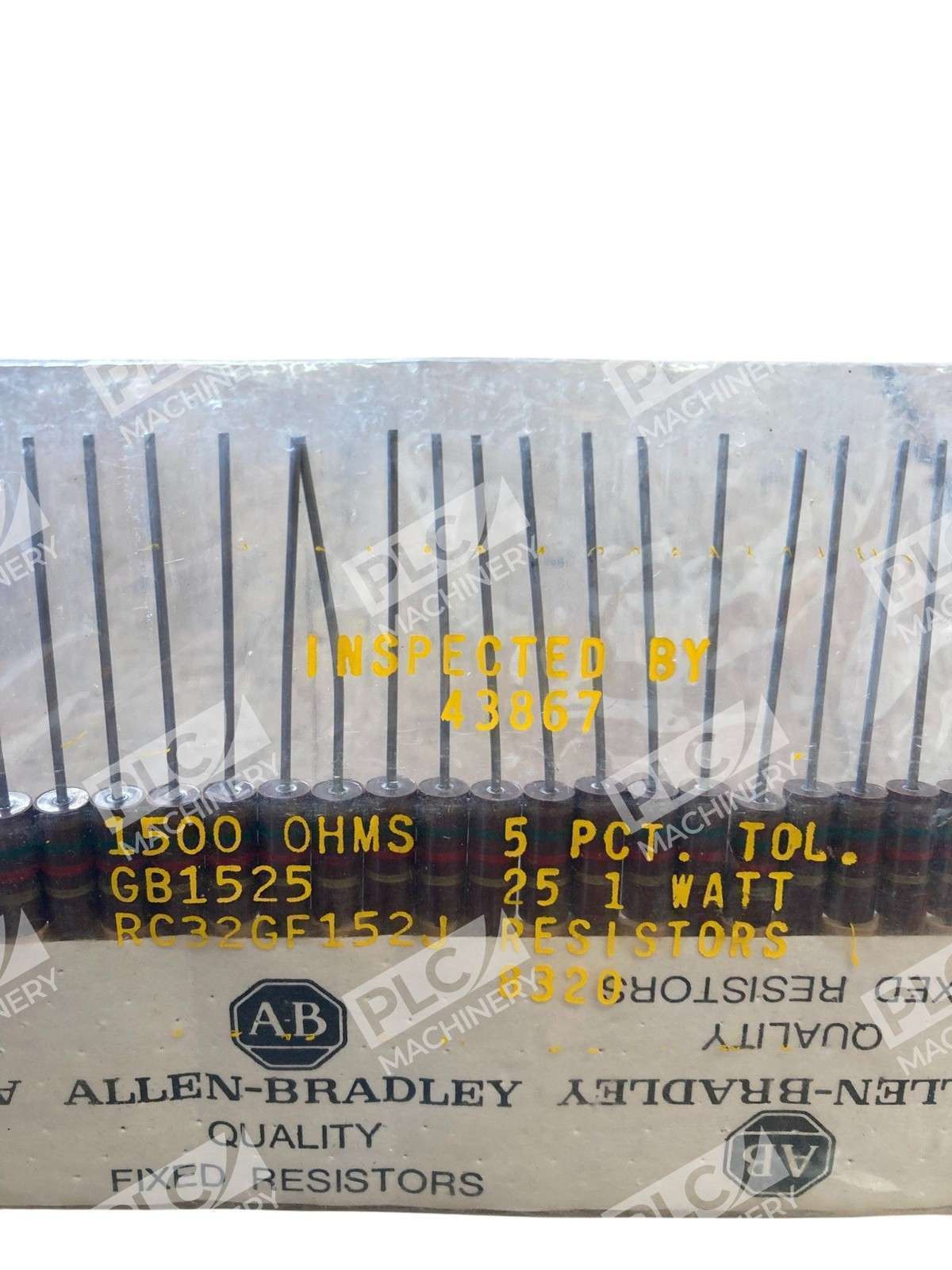
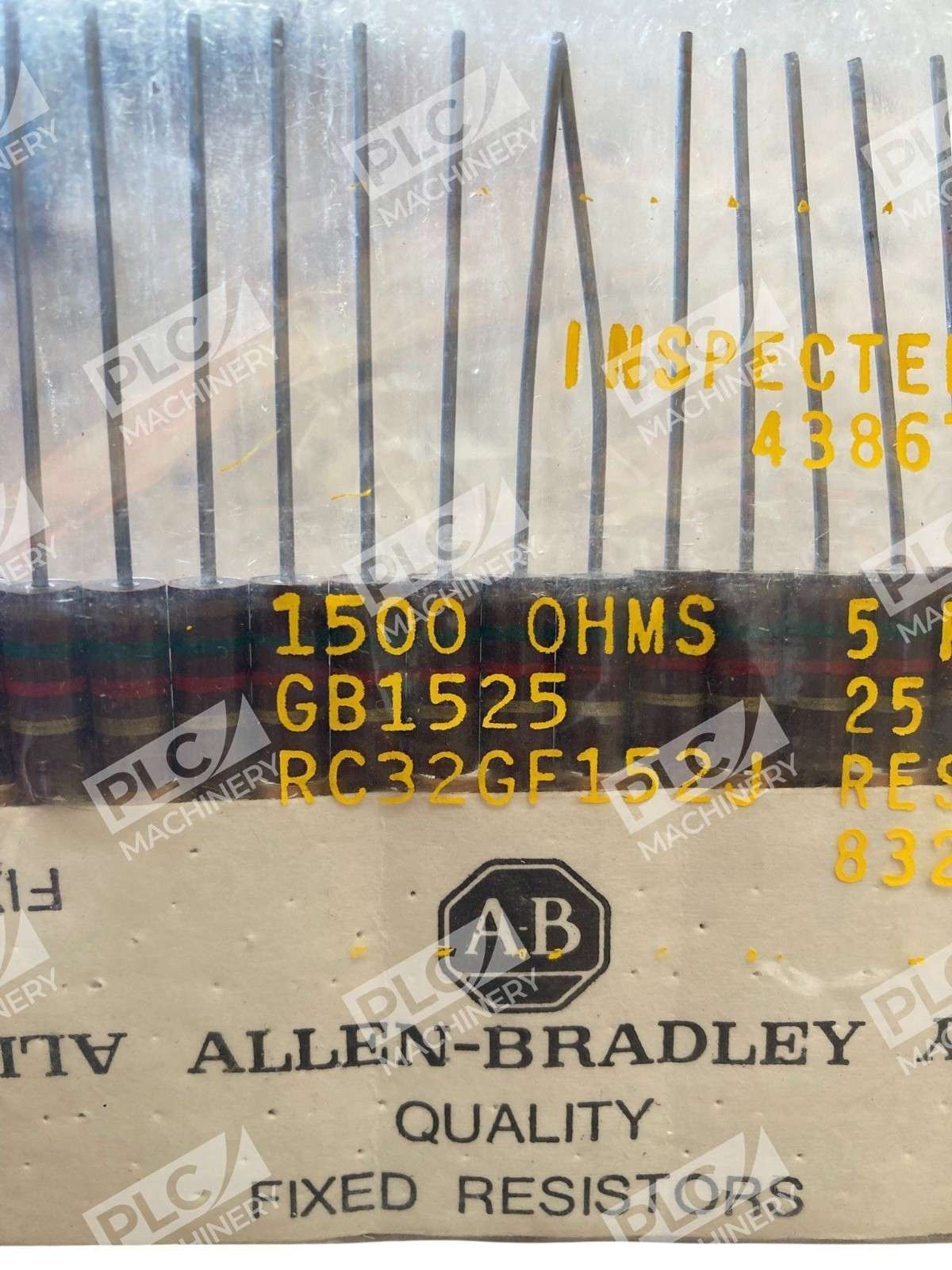
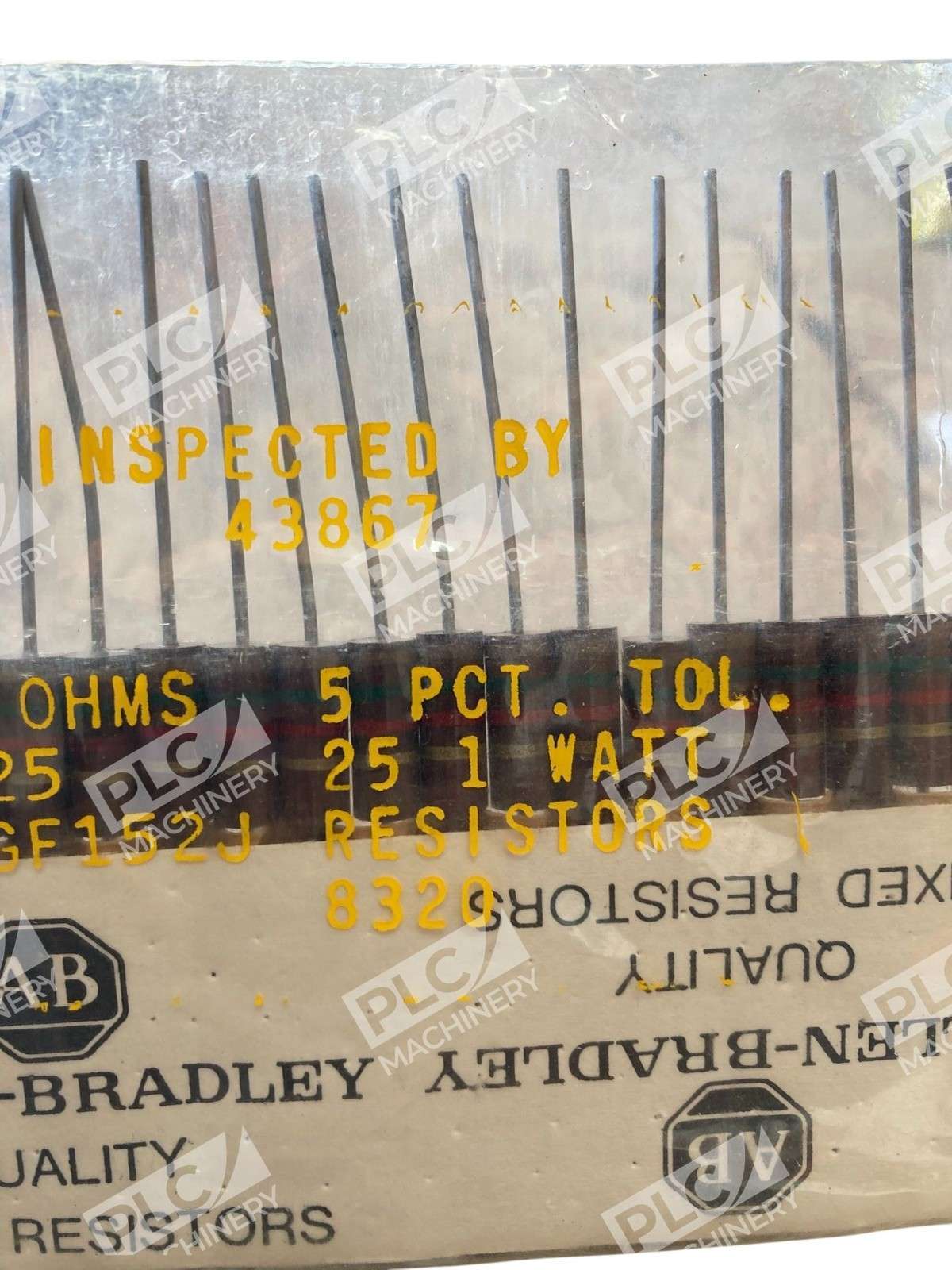
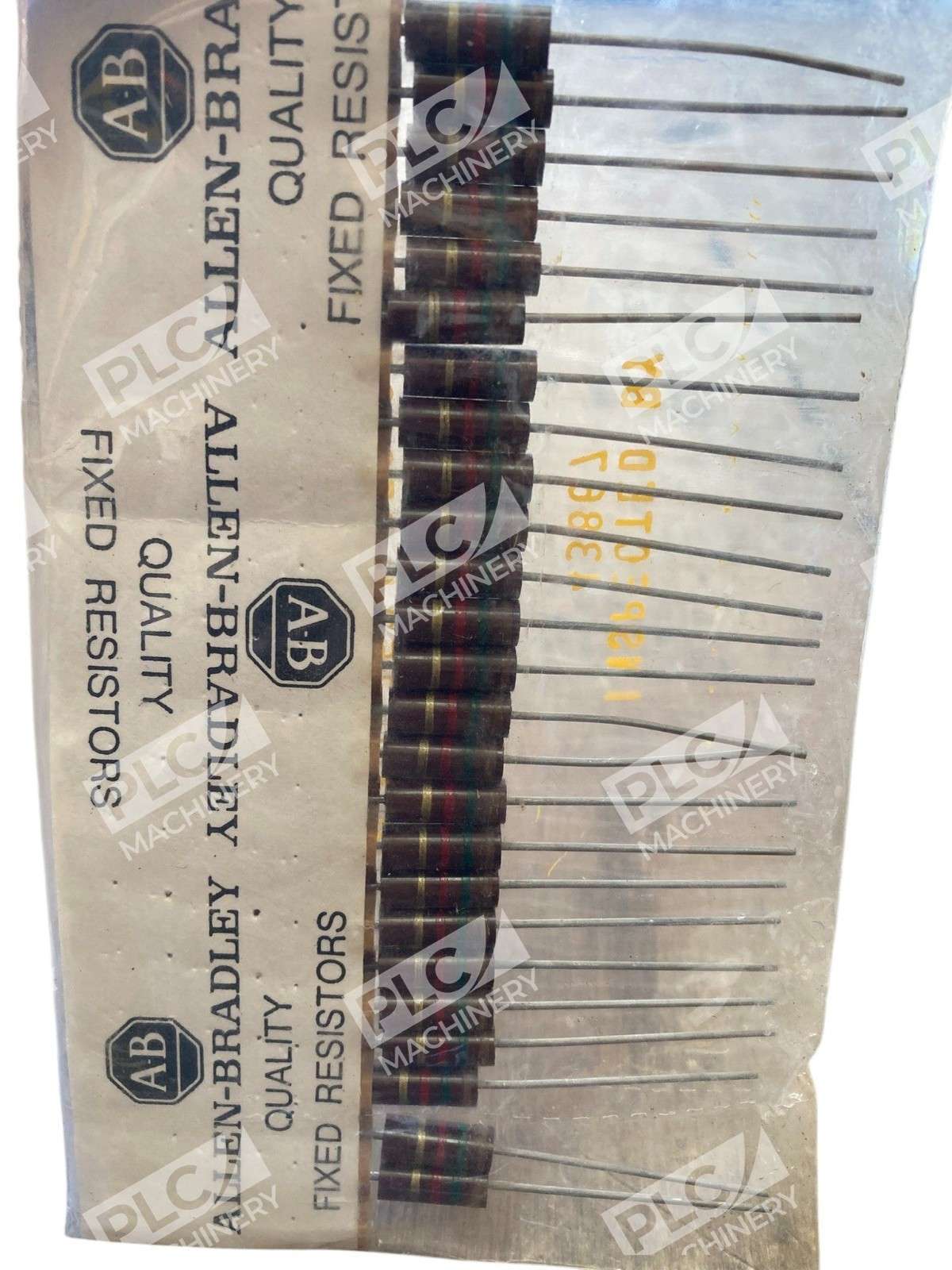
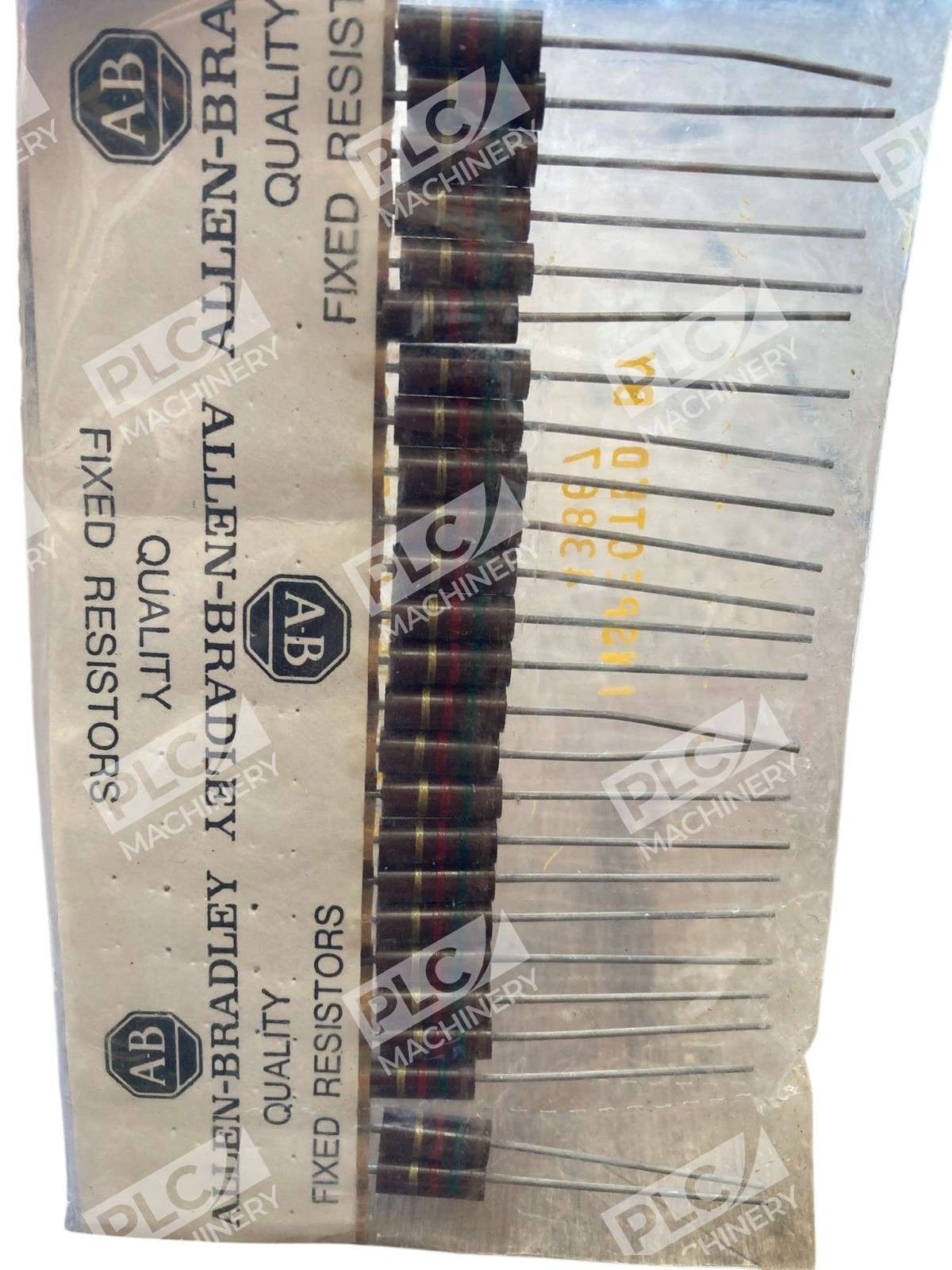
The Allen-Bradley RC32GF152J is a professional-grade carbon composition resistor designed for industrial control and electronics applications. With a resistance value of 1.5kΩ and power rating of 1W, this axial-lead resistor combines robust construction with proven reliability. The ±5% tolerance ensures consistent performance across operating conditions, making it ideal for maintenance, repair, and new equipment builds where dependable resistive elements are critical.
Key Features
- Hot-molded carbon construction: Extremely rugged design with low inductance and non-magnetic characteristics
- Axial leads: Oxygen-free copper leads enable direct PCB mounting and through-hole circuit integration
- MIL-SPEC heritage: American-made component with proven pulse-withstanding and power-dissipation reliability
- High-frequency stability: Maintains consistent resistance across frequency ranges common in industrial control circuits
- ±5% tolerance: Tight tolerance specification for precise circuit biasing and current-limiting applications
Technical Specifications
- Resistance Value: 1.5 kΩ
- Power Rating: 1W
- Tolerance: ±5%
- Construction: Carbon Composition
- Lead Type: Axial
- Operating Temperature: Up to 70°C
- Series: RC32
- Certification: MIL-R industrial specification
Typical Applications
- Control circuit bias and pull-down resistors in industrial automation
- Current-limiting elements in sensor signal conditioning
- Load resistors and termination networks in PLC analog I/O modules
- Circuit protection and fault-tolerance networks in drive and relay control systems
- Amplifier biasing and frequency-dependent filtering in instrumentation
Compatibility & Replacements
The RC32GF152J is a direct replacement for legacy Allen-Bradley resistor stock in maintenance and repair applications. Its standard package format and axial lead configuration ensure compatibility with vintage and modern through-hole PCB layouts. When ordering replacements, verify the resistance code on the part number (GF152J = 1.5kΩ). No modern SMD or solid-state equivalent offers the same pulse-handling and sonic characteristics as this classic carbon composition design, making it essential for preserving original circuit performance and reliability in legacy systems.