

Overview
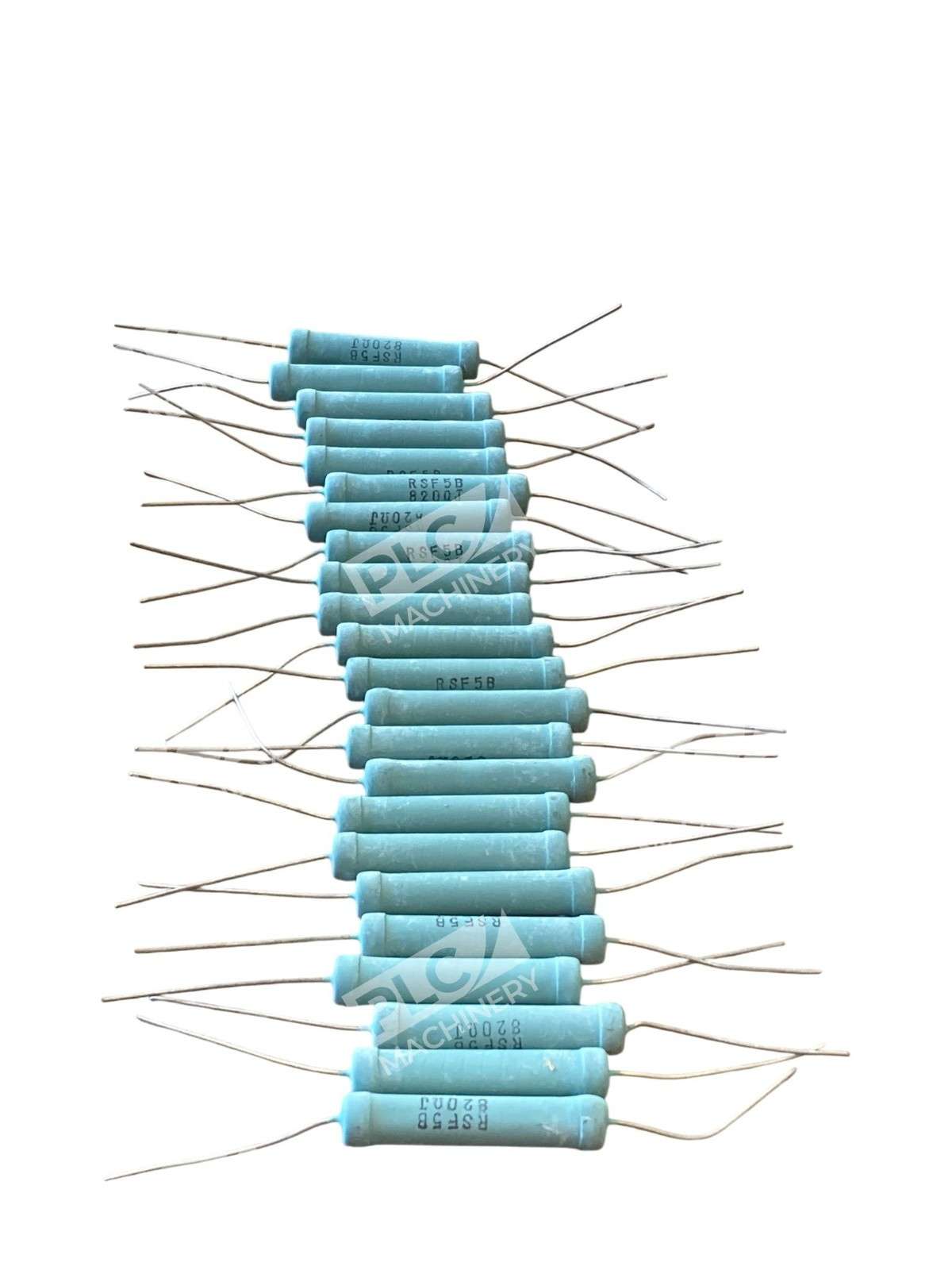
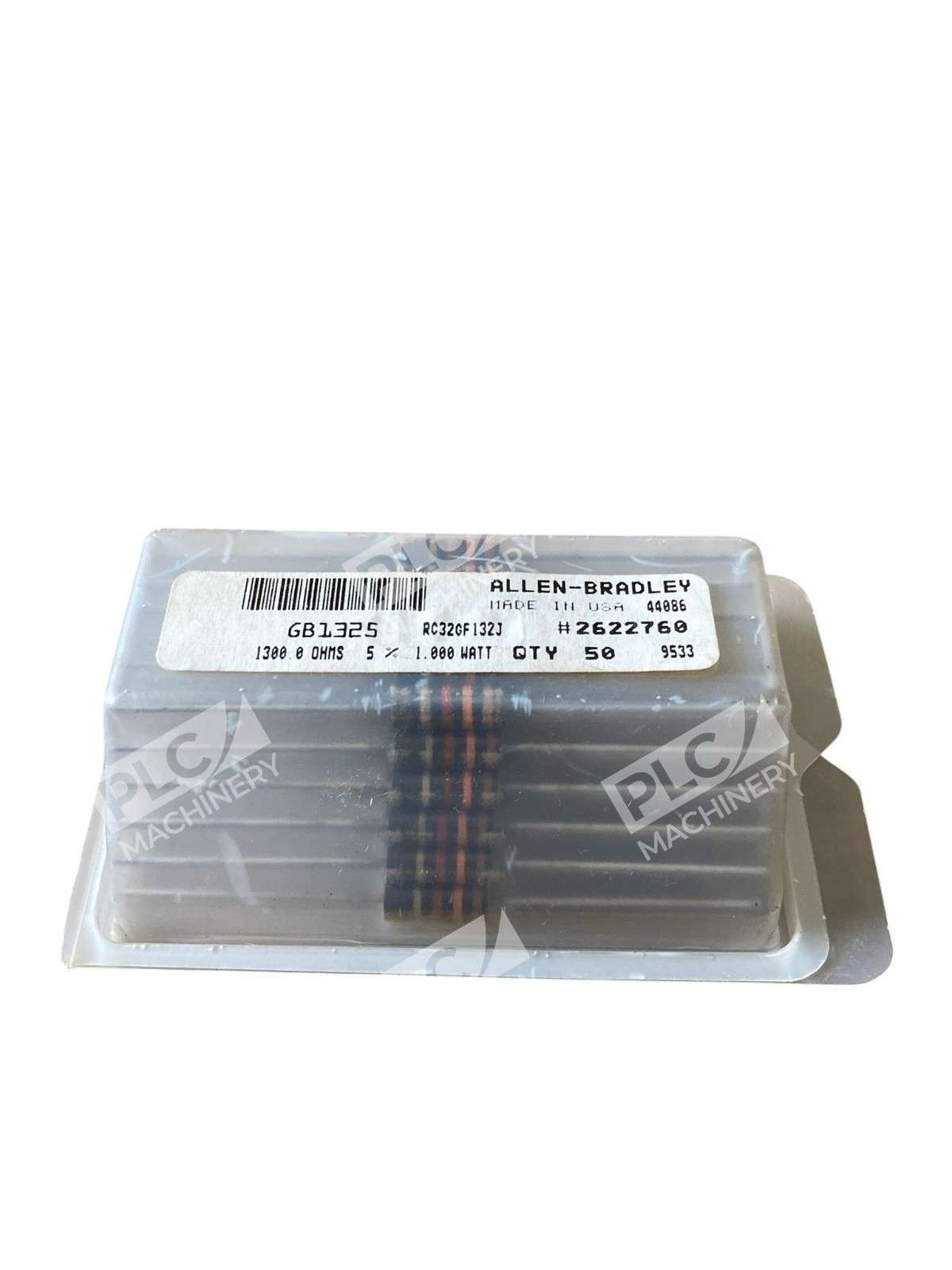
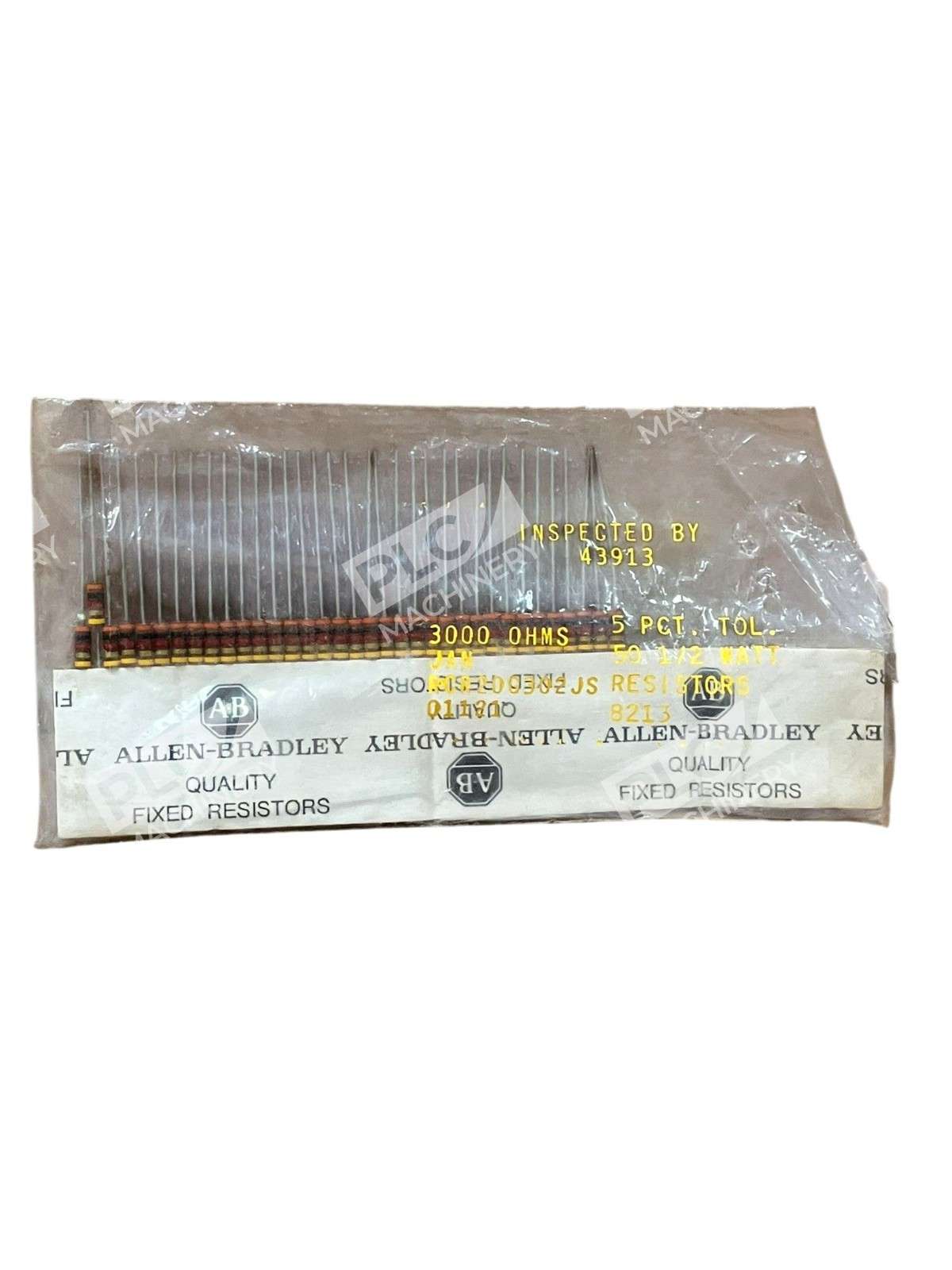
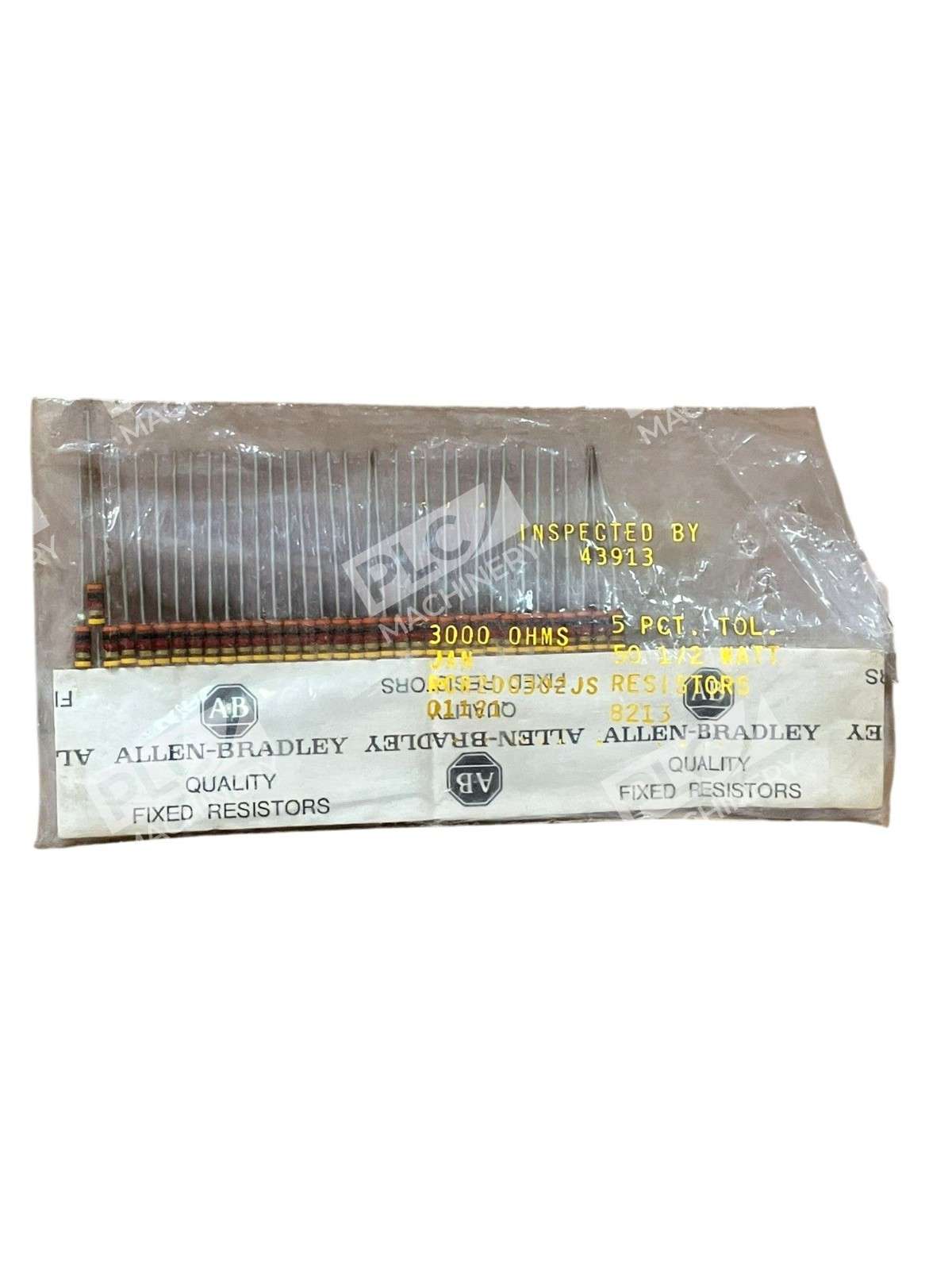
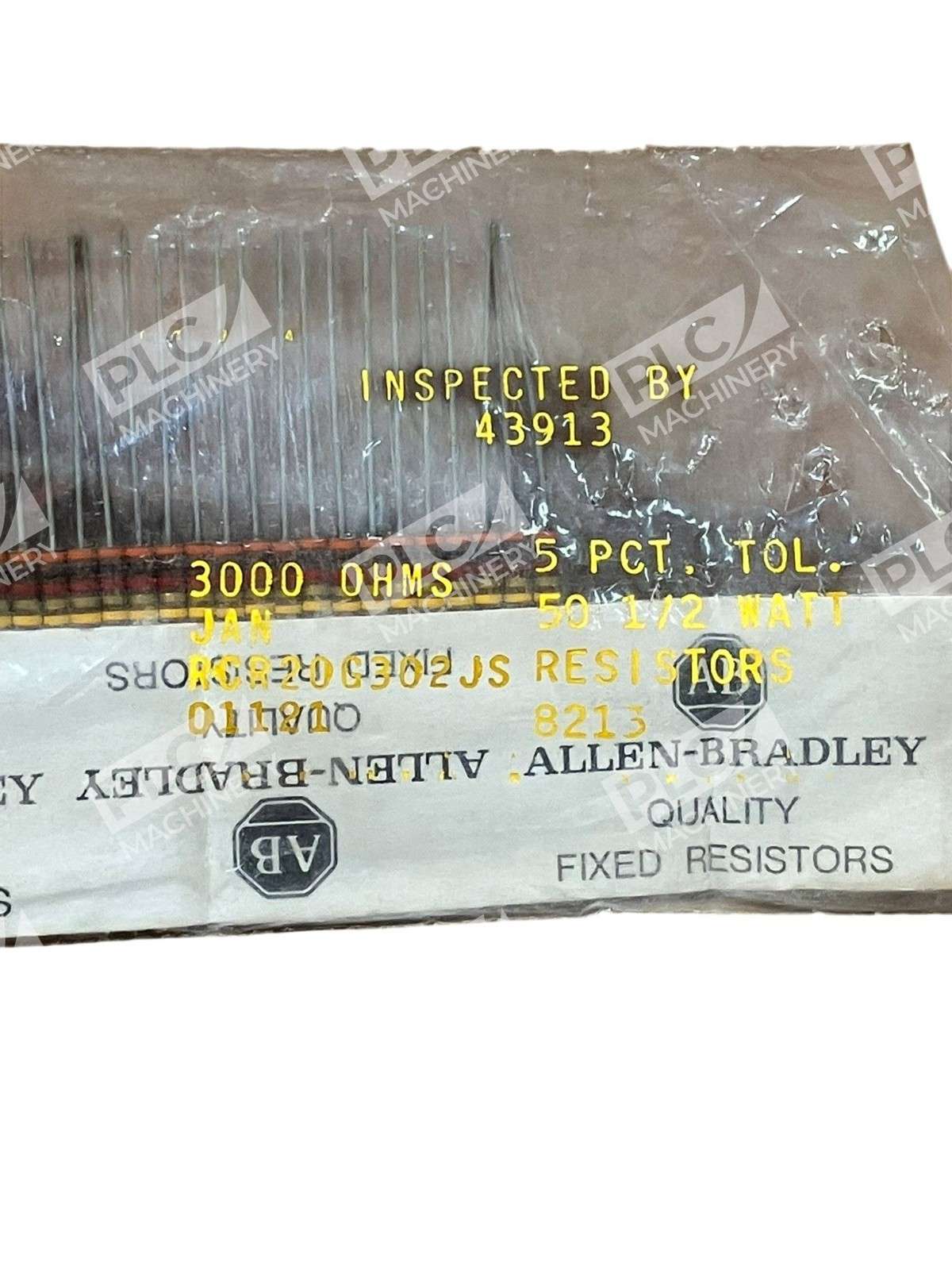
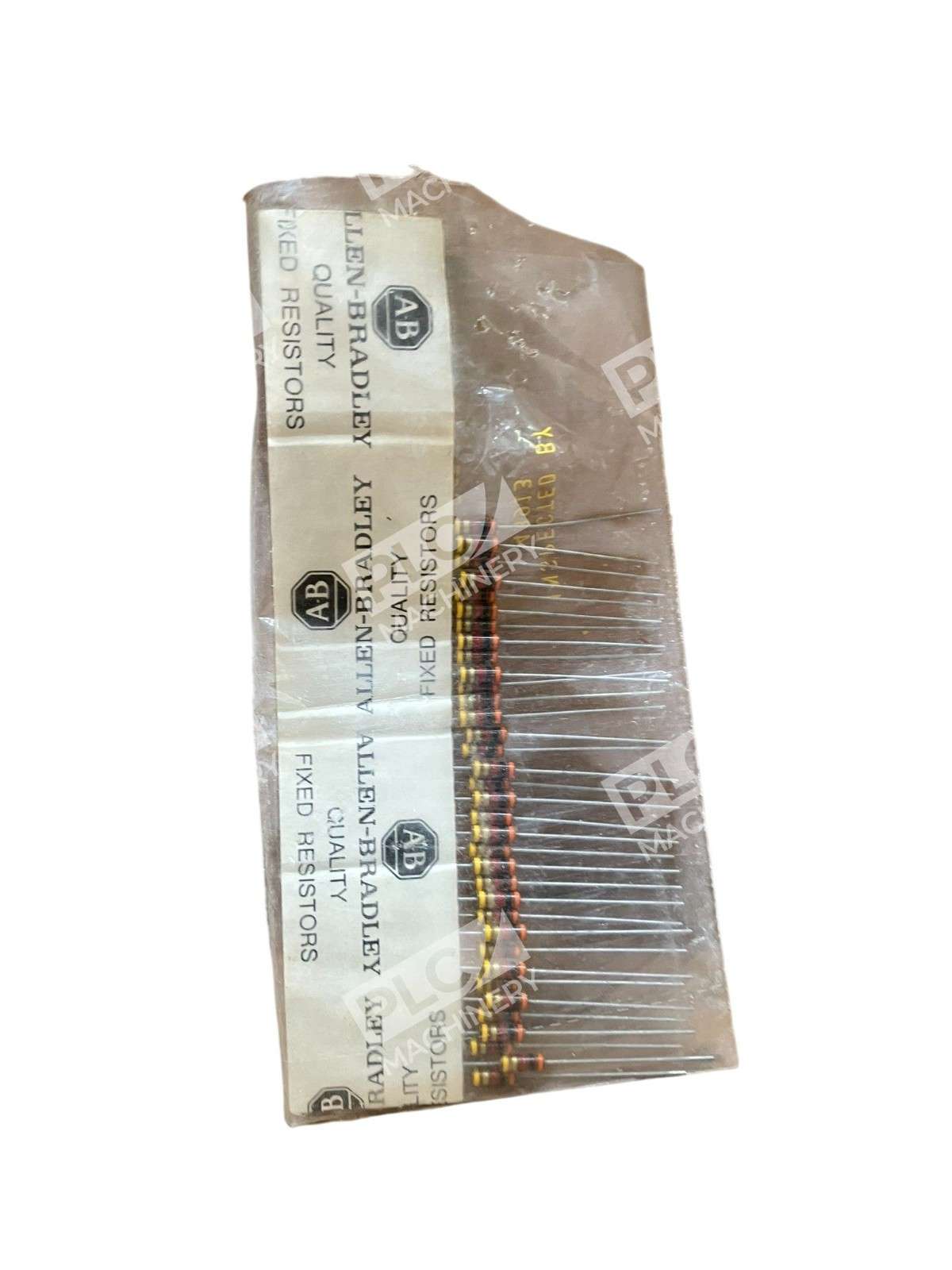
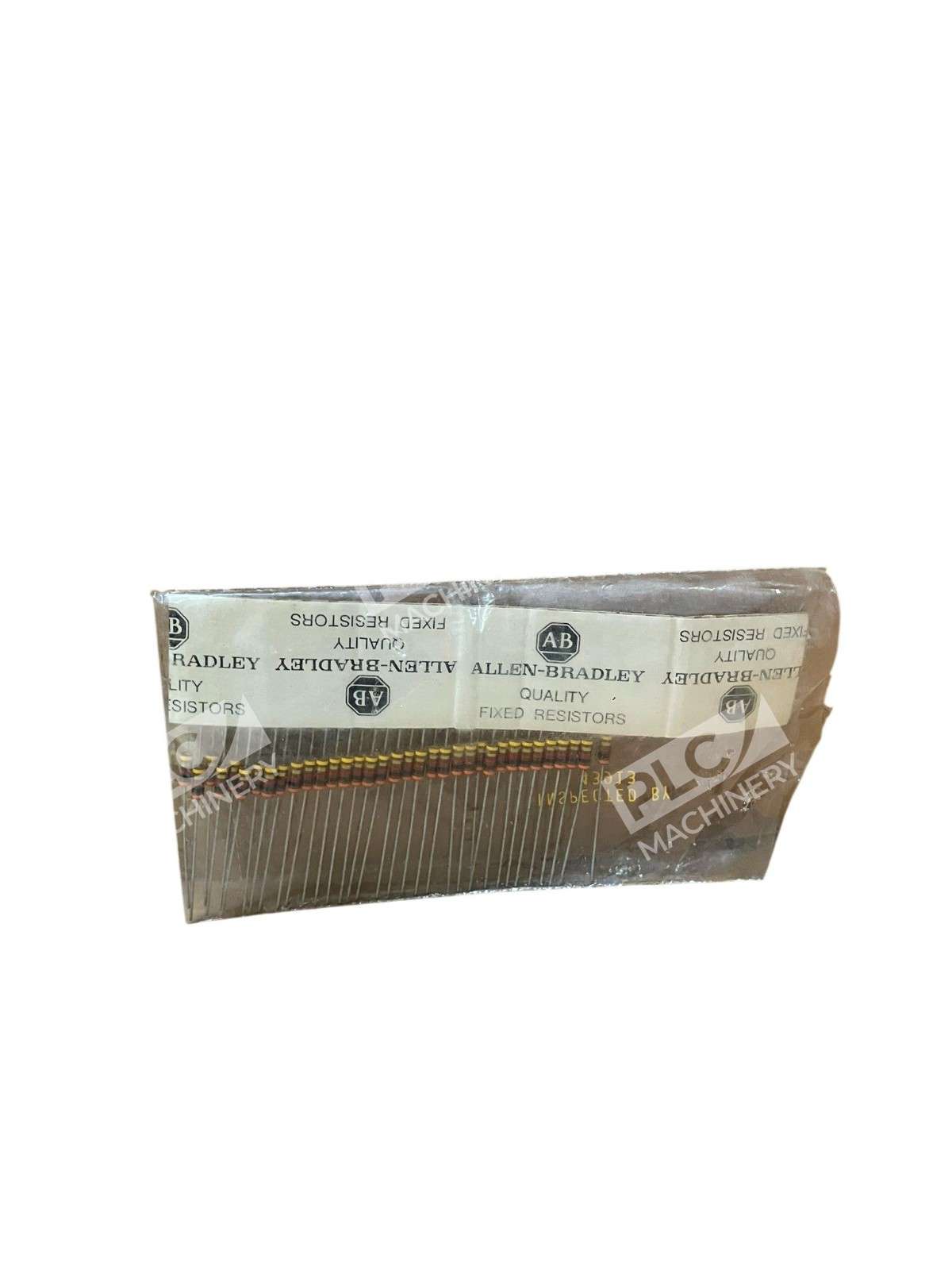
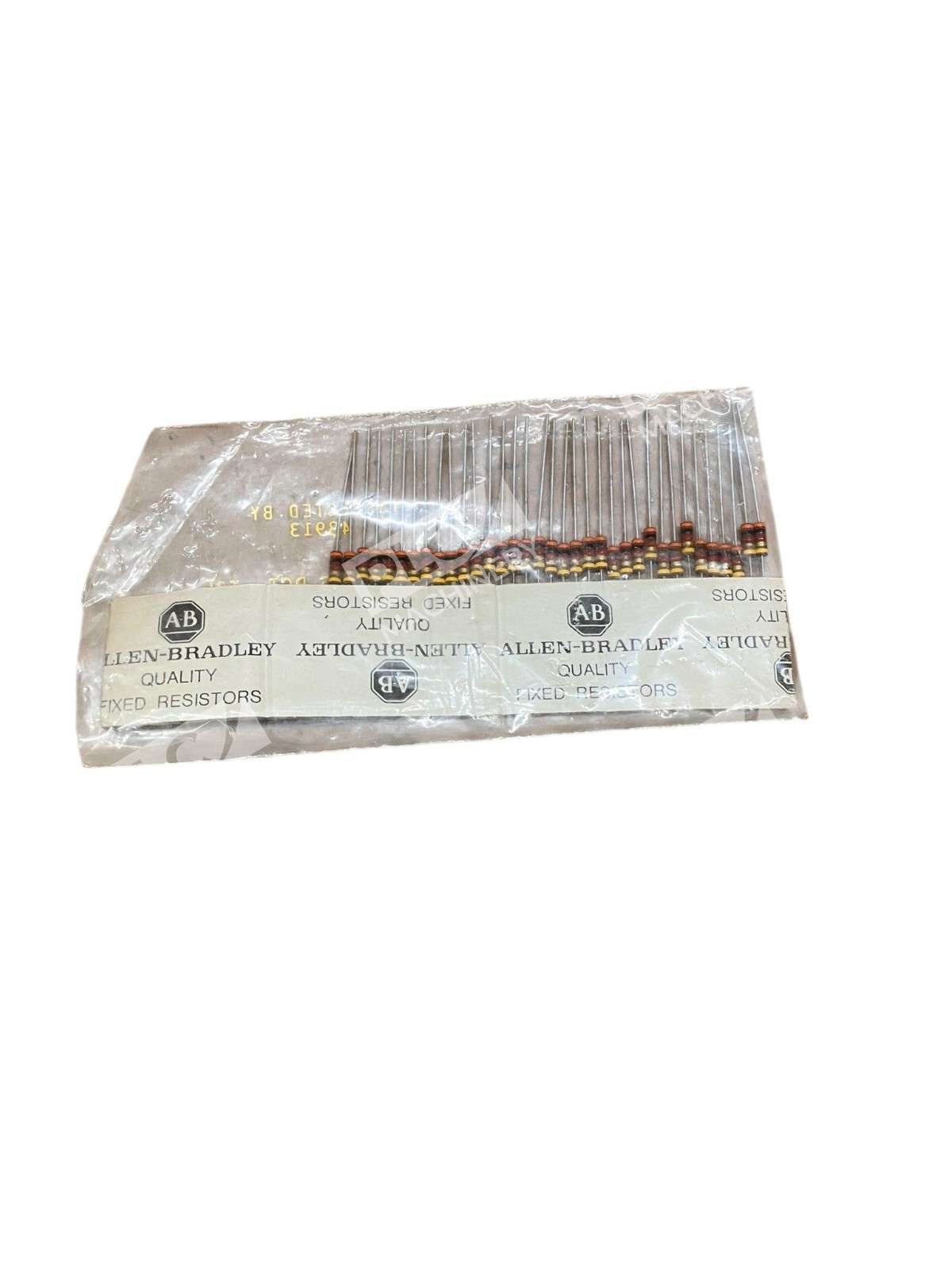
The Allen-Bradley RCR20G302JS is a precision hot-molded carbon composition resistor rated at 3kΩ with ±5% tolerance and 1/2W (0.5W) power rating. This axial-lead component meets military and industrial standards, featuring durable carbon-film construction and oxygen-free copper terminations for reliable long-term performance in demanding environments.
Key Features
- Hot-molded carbon composition construction for environmental stability
- Oxygen-free copper leads for excellent corrosion resistance
- ±5% tolerance meets MIL-R-39008 and MIL-R-11 specifications
- Operates reliably at temperatures up to 70°C
- Supplied as lot of 30 units for production and service inventory
- Compact axial-lead design fits standard PCB layouts
Technical Specifications
This resistor is engineered to deliver consistent performance across industrial control systems, avionics, military electronics, and legacy equipment repairs where precision and reliability are critical.
- Resistance Value: 3,000 Ω (3 kΩ)
- Tolerance: ±5%
- Power Rating: 1/2 W (0.5 W)
- Operating Temperature Range: Up to 70°C
- Lead Type: Oxygen-free copper axial leads
- Construction: Hot-molded carbon composition
- Standards Compliance: MIL-R-39008, MIL-R-11
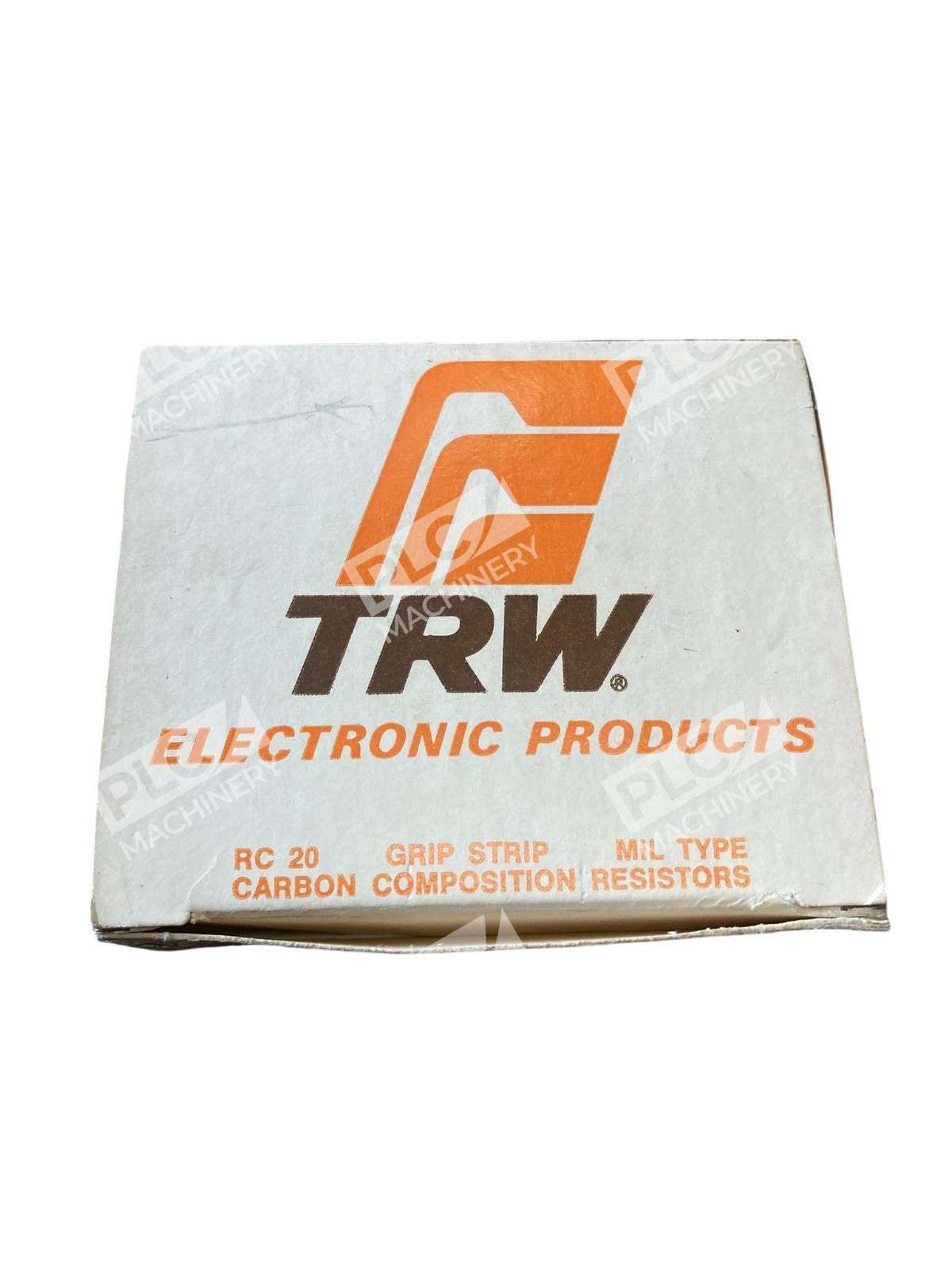
- Package: Lot of 30 units, new in box
Typical Applications
The RCR20G302JS serves critical roles in:
- Industrial control panels and PLC interface circuits
- Legacy equipment repair and field replacement
- Military and aerospace electronics
- Precision measurement and sensor circuits
- Power supply and distribution networks
- Telecommunications and data acquisition systems
Compatibility & Replacements
As a military-qualified Allen-Bradley component, the RCR20G302JS offers reliable interchangeability within systems designed to MIL-R-39008 or MIL-R-11 specifications. Direct replacement applications include original Allen-Bradley installations and equipment requiring equivalent 3kΩ ±5% 1/2W resistors with hot-molded carbon construction. For legacy system repairs, verify thermal and electrical operating margins before substitution.