

Overview
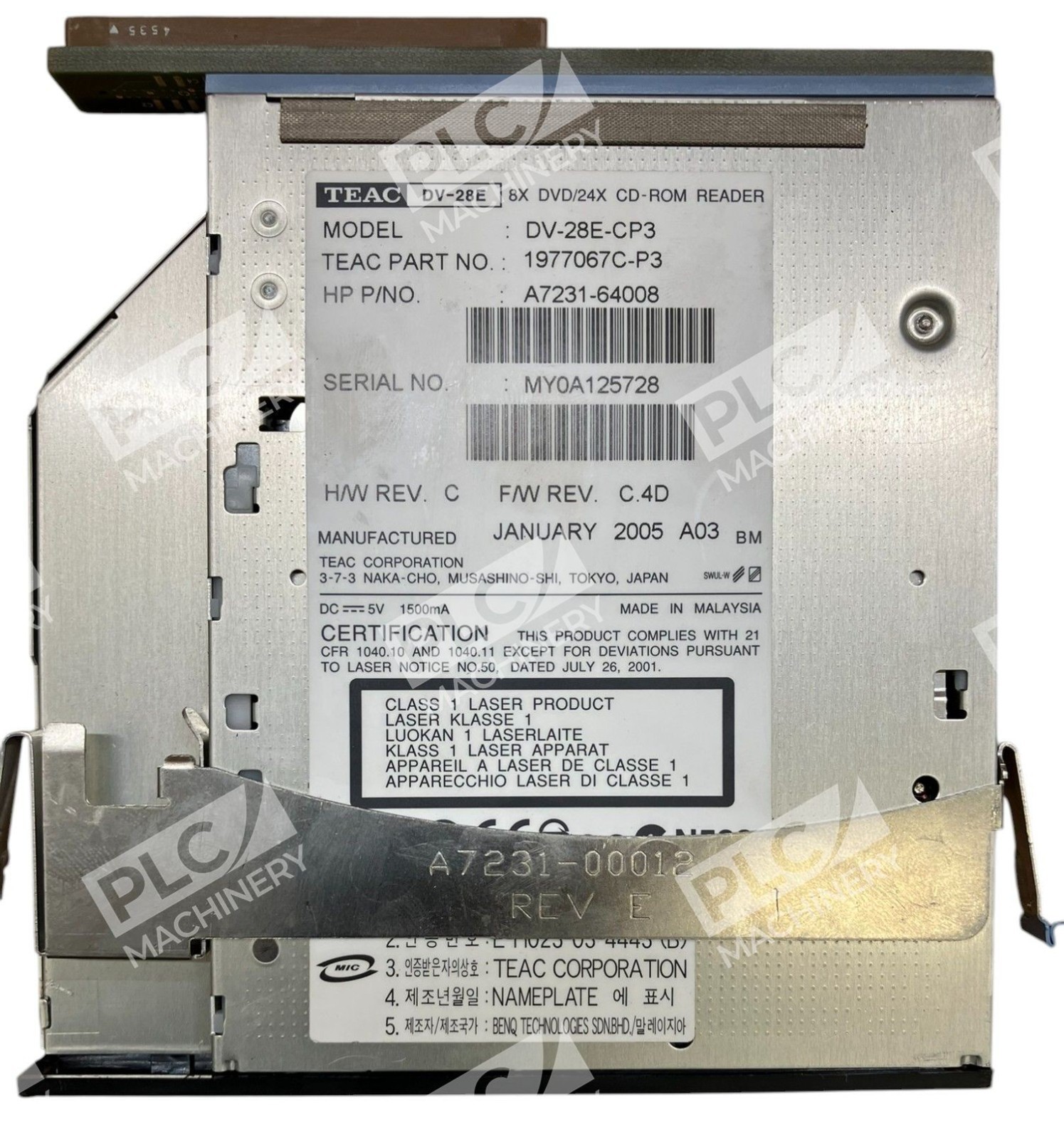
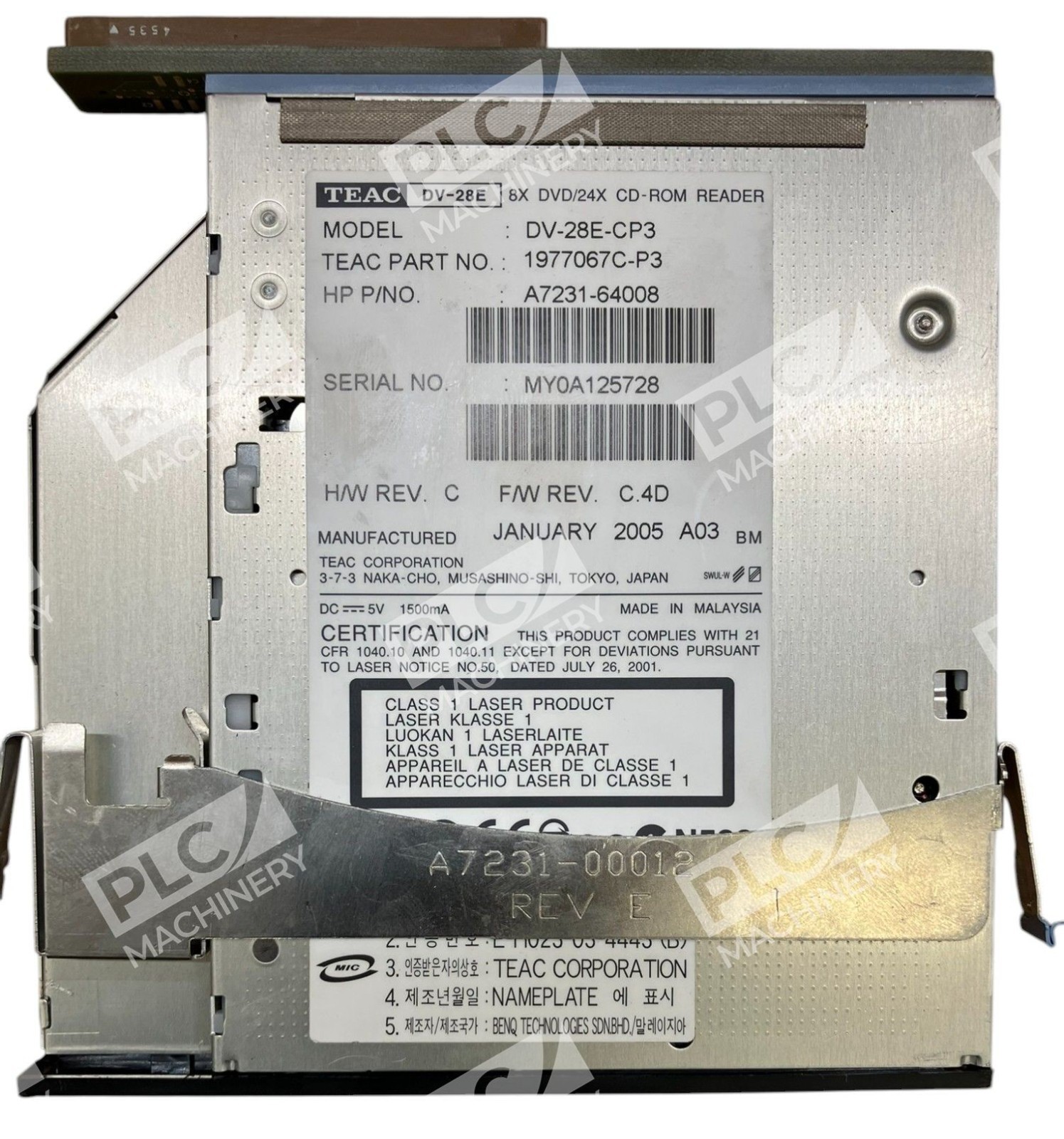
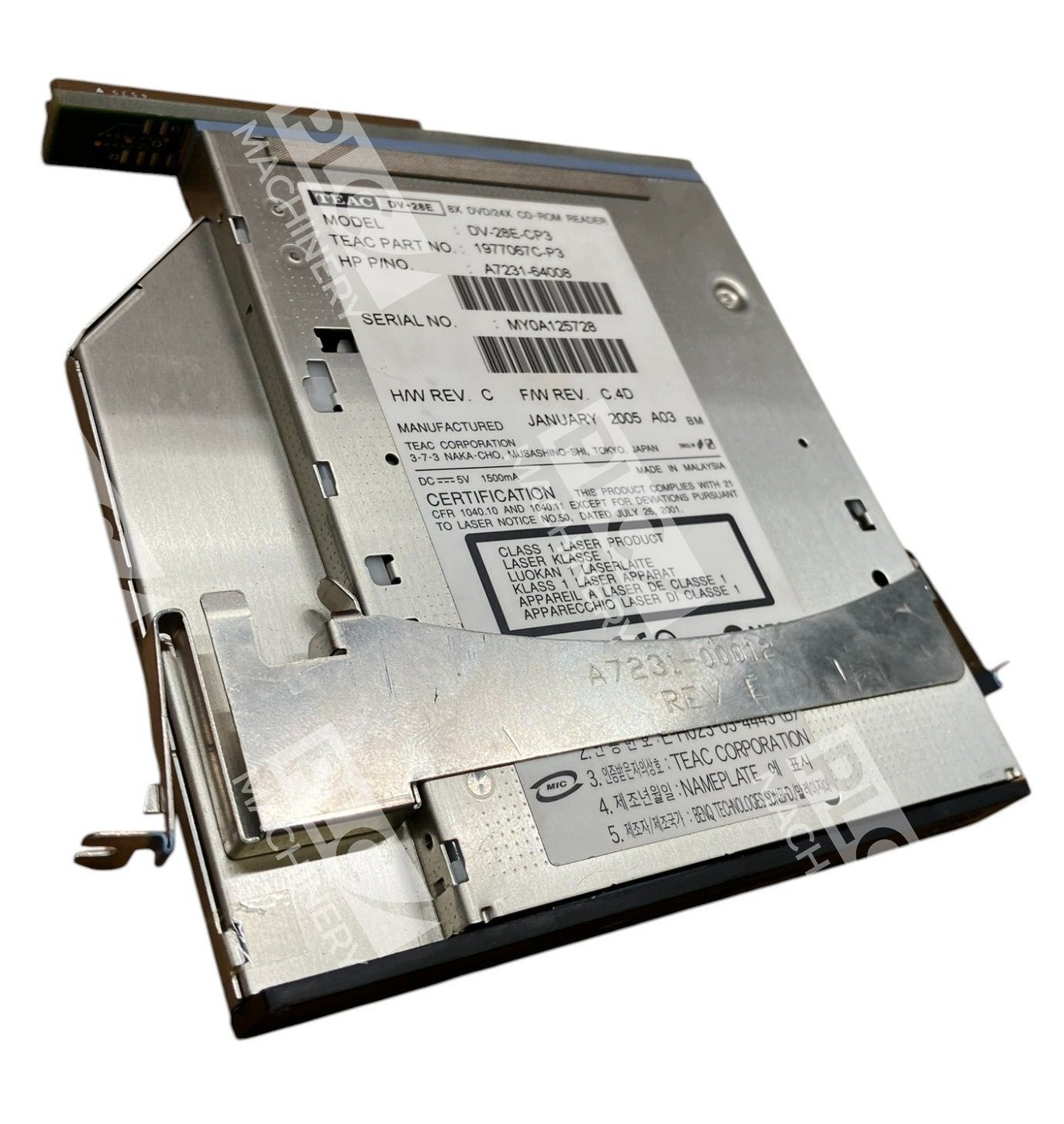
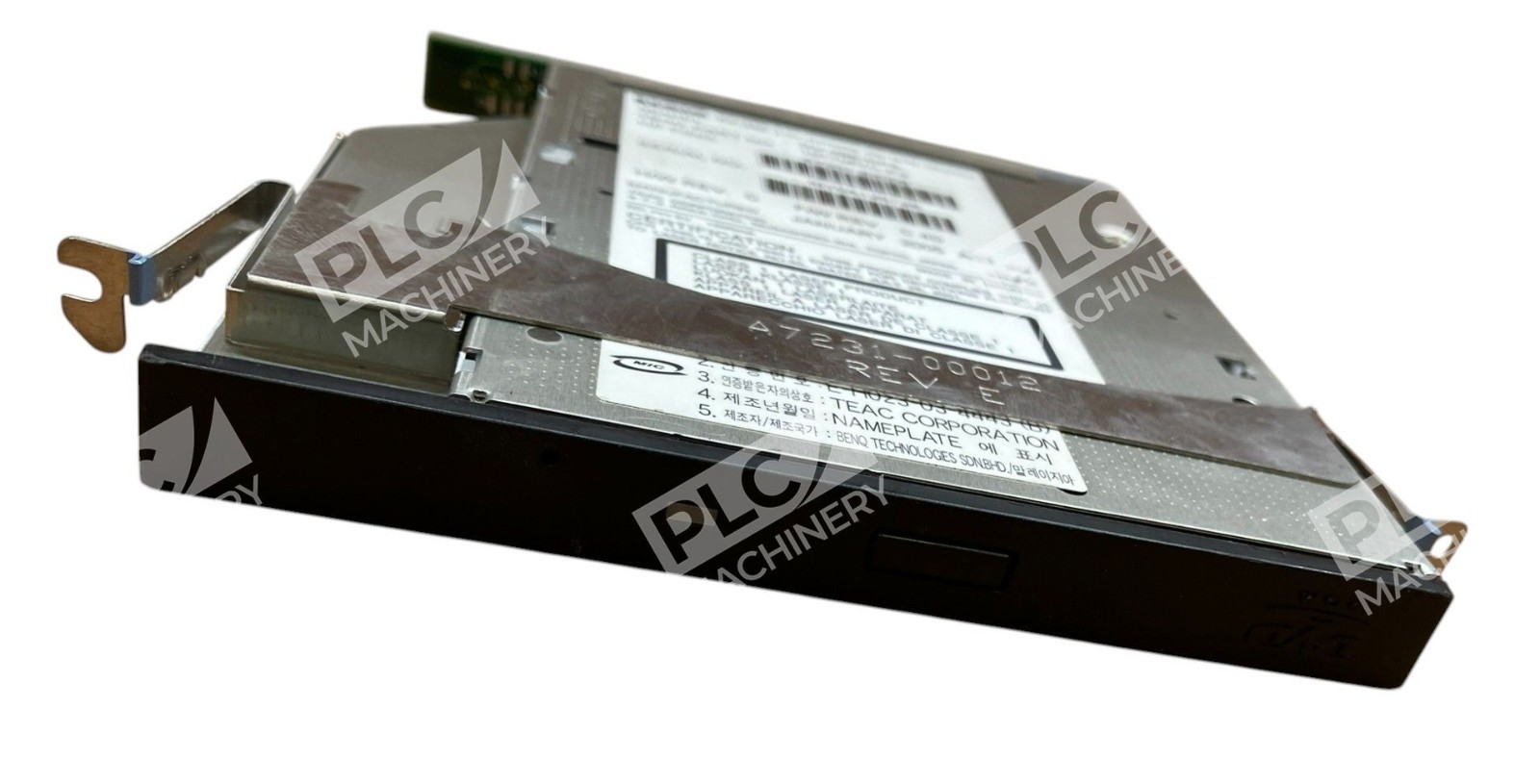
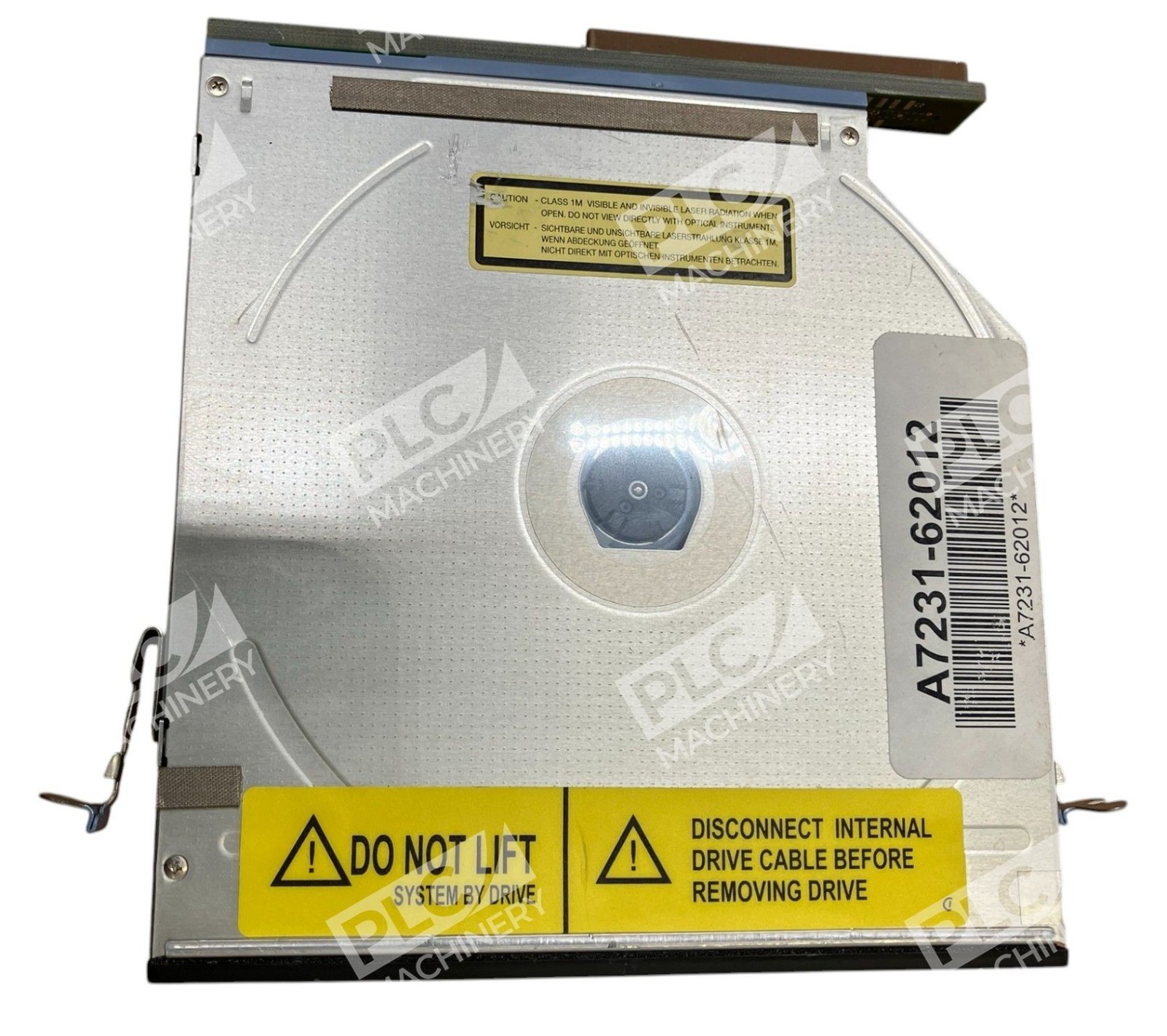
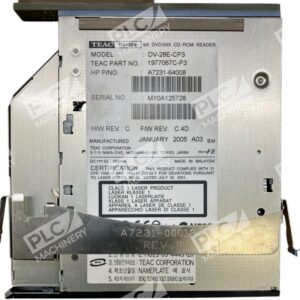
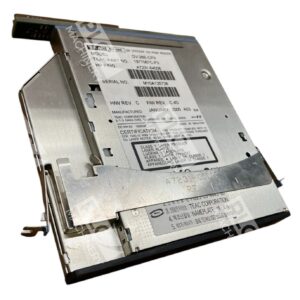
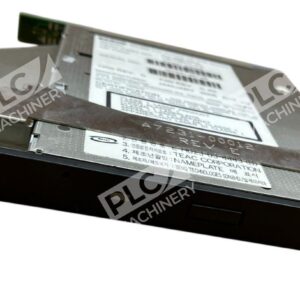
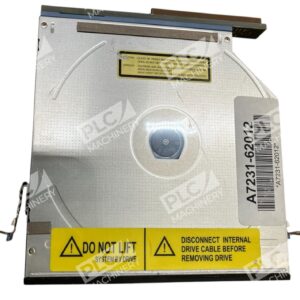
The Teac DV-28E (part number 1977067C-P3) is an internal optical drive engineered for reading DVD-ROM and CD-ROM media in desktop and portable PC environments. This drive delivers dependable performance for systems requiring optical media compatibility without write capability for DVDs.
Key Features
- 8x maximum DVD read speed for efficient data retrieval
- 24x maximum CD-ROM read speed for fast CD access
- IDE interface compatible with legacy and modern drive controllers
- Slim form factor fits standard 5.25″ drive bays and notebook enclosures
- 512 KB buffer for smooth playback and data transfer
- Support for DVD-ROM and CD-ROM media formats
Technical Specifications
- Maximum DVD Read Speed: 8x
- Maximum CD Read Speed: 24x
- Buffer Memory: 512 KB
- Drive Interface: IDE (PATA)
- Form Factor: Internal slim optical drive
- Drive Bay Width: 5.25 inches
- Height: 0.5 inches
- Width: 5.0 inches
- Depth: 5.1 inches
- Weight: Approximately 8.16 oz
- Supported Media: DVD-ROM, CD-ROM
- Certifications: UL, CSA, TÜV
Typical Applications
- Legacy desktop PC optical media playback and reading
- Notebook computer disc access for software installation
- Data archival systems requiring CD/DVD compatibility
- System integration for vintage computing platforms
- Refurbished computer builds with optical media support
Compatibility & Replacements
Compatible With
- PCs with IDE (PATA) drive controller support
- Desktop systems with 5.25-inch drive bay mounting
- Notebook computers with slim optical drive bays
- Windows XP, Vista, 7, 8 operating systems
- Linux systems with IDE optical drive support
Replaces / Drop-In Replacement For
Verify compatibility with your system integrator before ordering. Optical drive form factor and interface type must match your computer’s drive bay specifications and motherboard controller support.
Works With
- IDE/PATA motherboards with optical drive headers
- CD/DVD playback software (Windows Media Player, VLC, etc.)
- Standard CD-ROM and DVD-ROM media formats
- BIOS-level disc boot capability for legacy systems