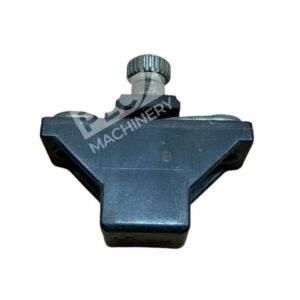
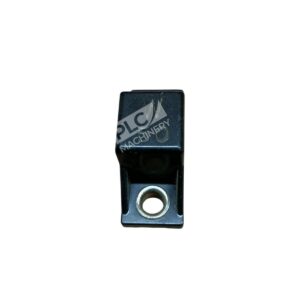
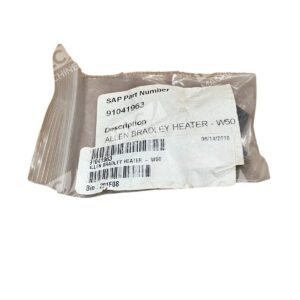
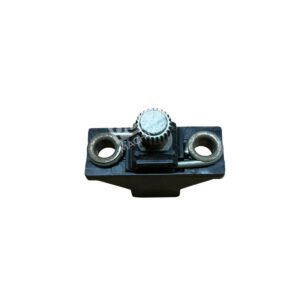


Overview
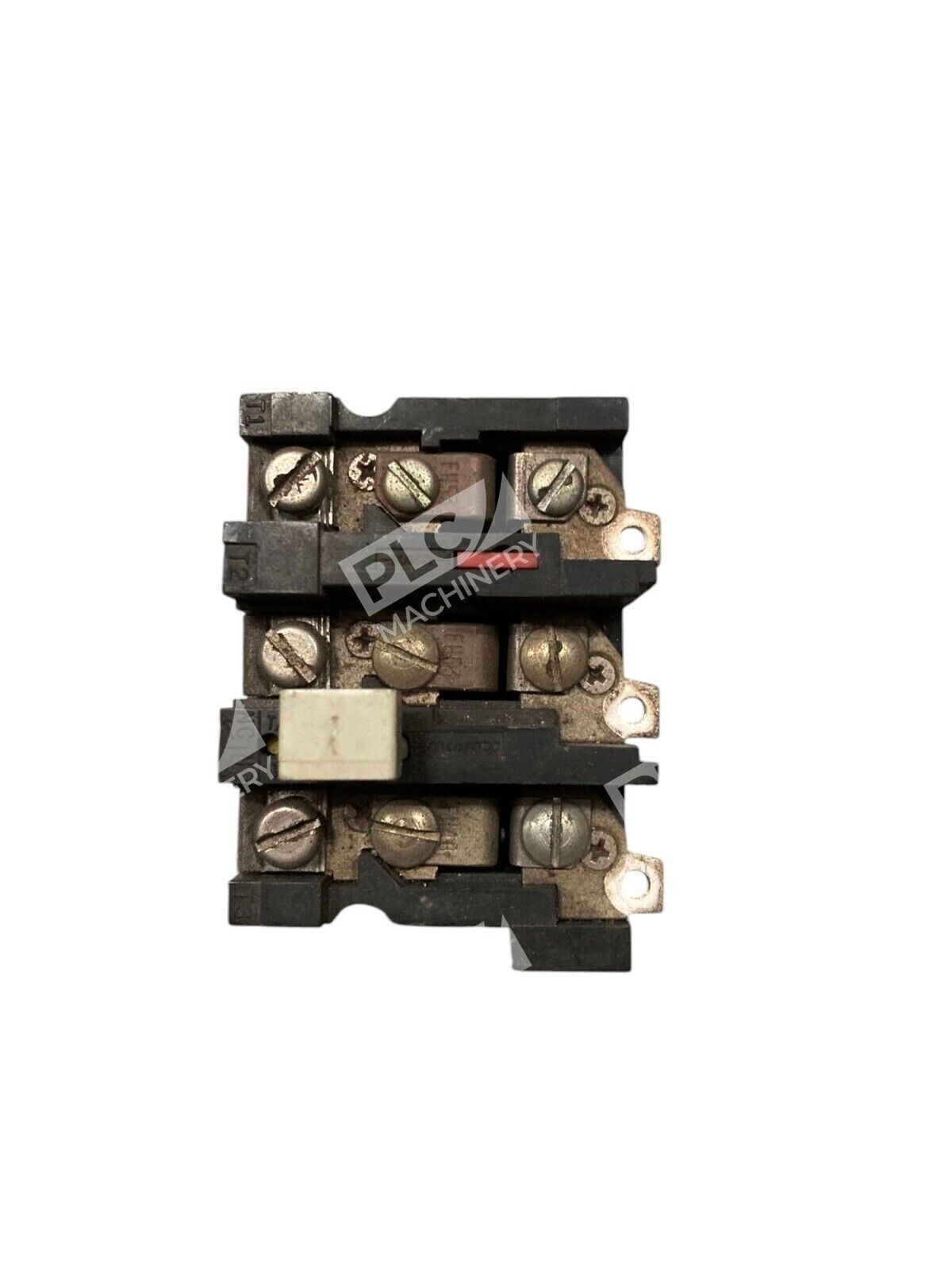
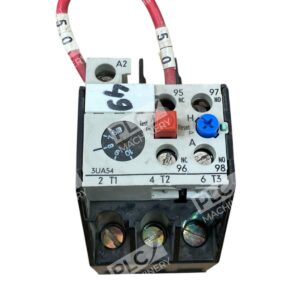
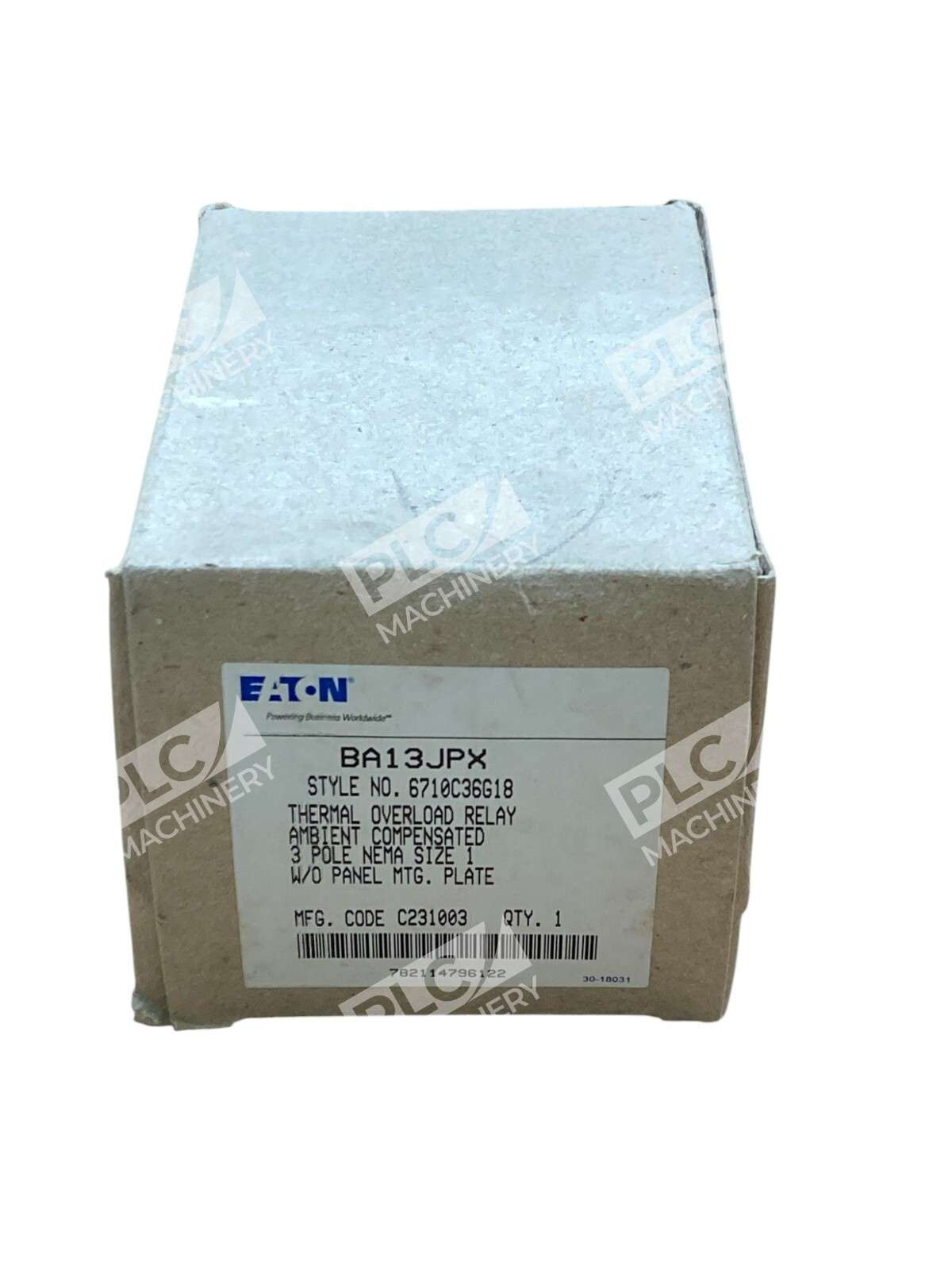
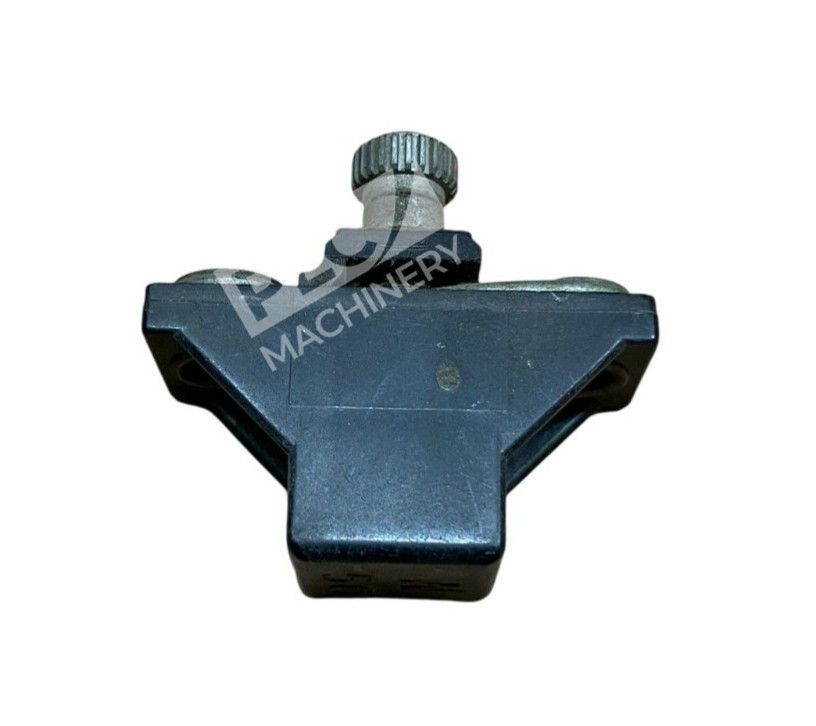
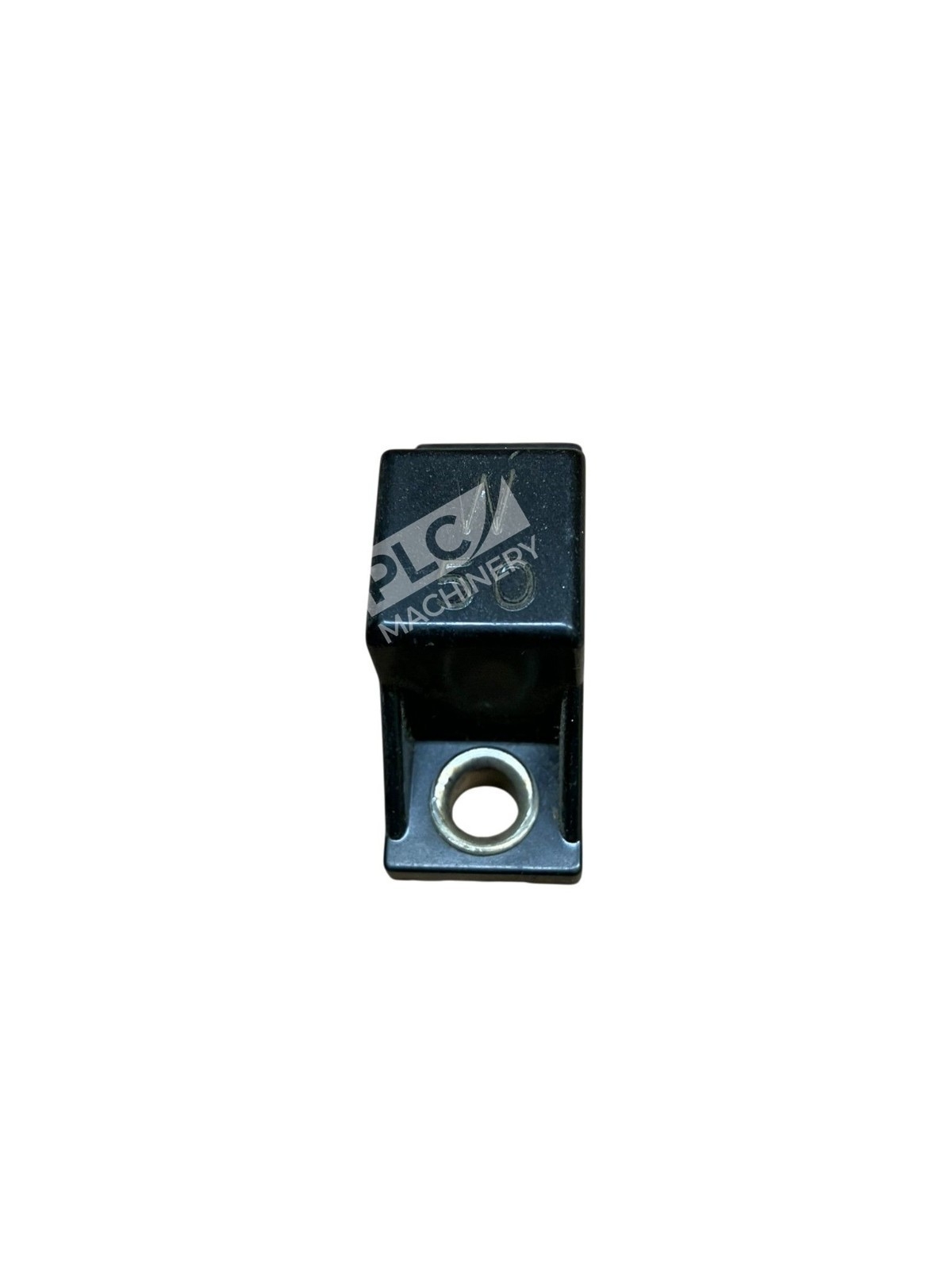
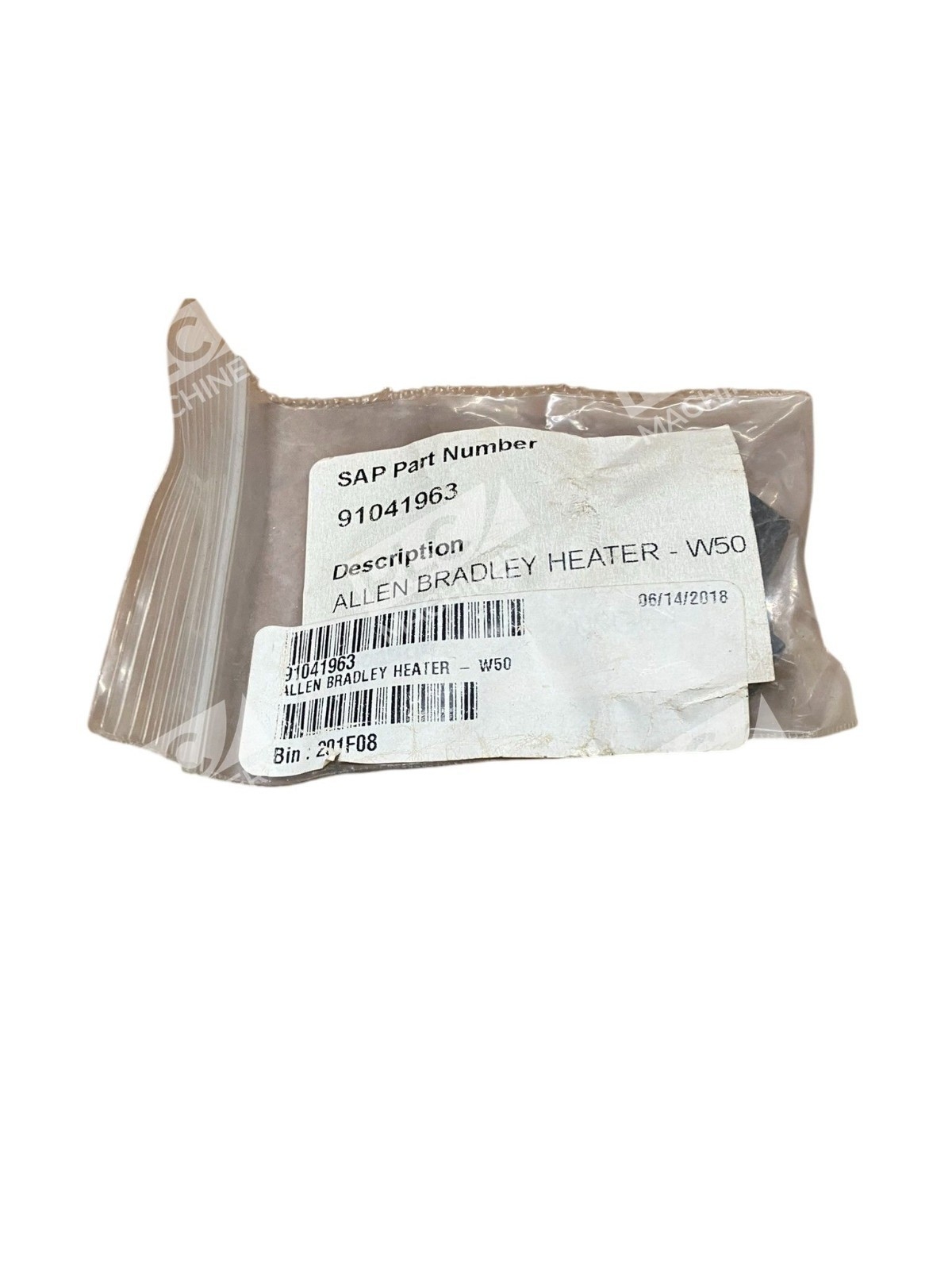
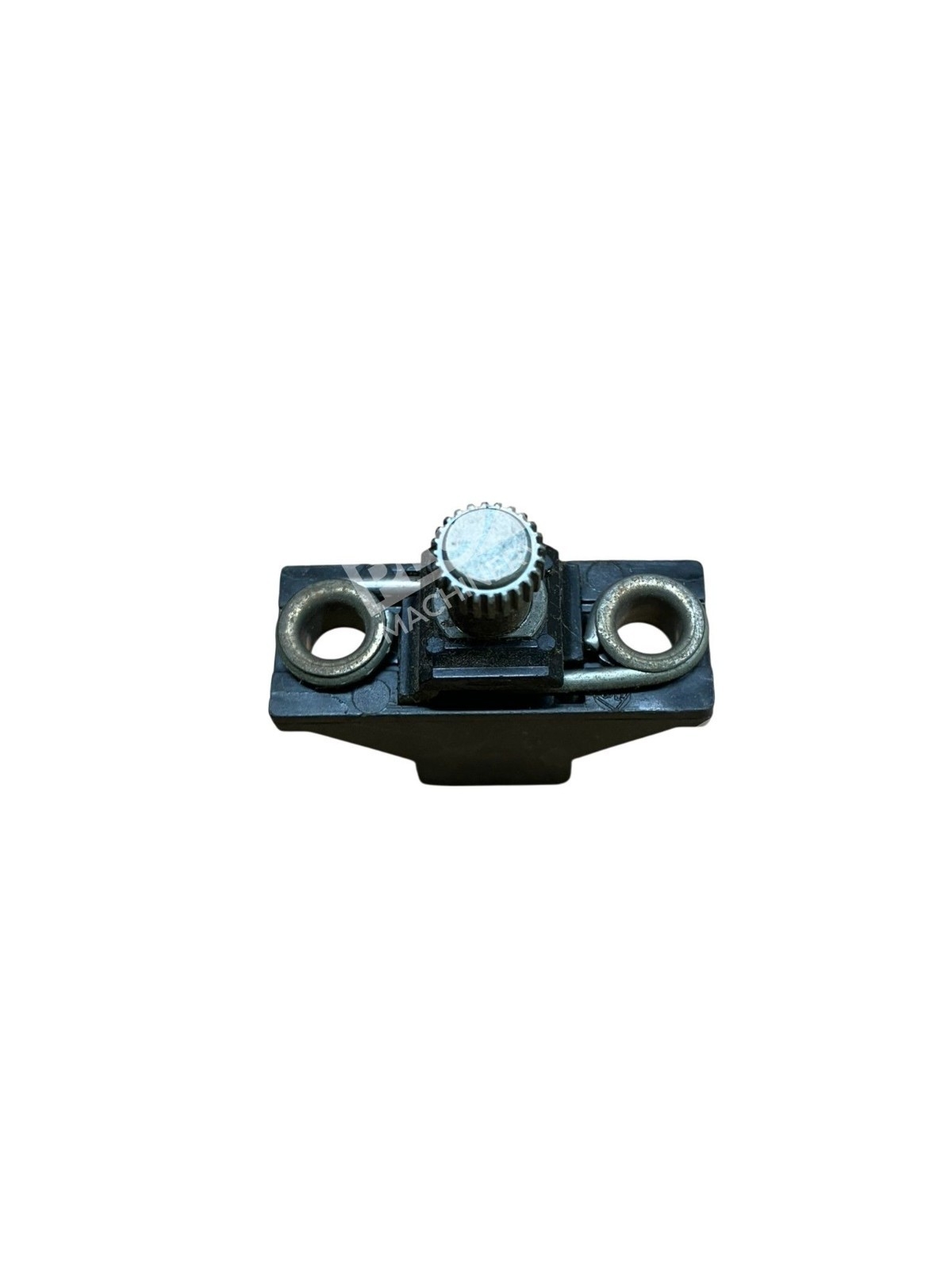
The Allen-Bradley W50 is a Type W eutectic alloy thermal overload relay heater element designed for motor protection in industrial control systems. This legacy component from Rockwell Automation’s 500 Line series is widely used in NEMA-style motor starters and overload relays to protect motors from thermal overload conditions.
Key Features
- Eutectic Alloy Construction: Reliable thermal sensing and trip characteristics for consistent motor protection
- Class 20 Protection: Provides standard overload relay performance suitable for general-purpose motor applications
- Bulletin 500 Line Compatible: Direct fit for Bulletin 509 starters and Bulletin 592 overload relays
- Precise Amperage Rating: 8.13–8.45 amp rating ensures proper motor selection based on nameplate FLA
- NEMA Standard Design: Time-tested component trusted across decades of industrial installations
Technical Specifications
- Element Type: Type W, eutectic alloy thermal overload heater
- Current Rating: 8.13–8.45 amps at Size 1
- Overload Class: Class 20
- Compatible Starters: Bulletin 509, Bulletin 500 Line
- Compatible Overload Relays: Bulletin 592, NEMA-style thermal relays
- Protection Type: Thermal overload with time-delay tripping
Typical Applications
- Motor protection in industrial machinery and production lines
- HVAC systems, compressors, and pump applications
- General-purpose industrial motors and automation equipment
- Retrofit and spare parts for existing Bulletin 509 and Bulletin 592 starter systems
Compatibility & Replacements
Compatible With
- Allen-Bradley Bulletin 509 magnetic starters (all sizes)
- Allen-Bradley Bulletin 592 thermal overload relays
- NEMA 1–4X enclosed motor starter applications
- Standard three-phase induction motors, 0.5–25 HP range (verify FLA selection)
Replaces / Drop-In Replacement For
- Original equipment heater elements in existing Bulletin 509 starters
- Thermal elements in legacy Bulletin 592 overload relays
- Any W50-designated heater element in NEMA motor control applications
Works With
- Hardwired motor control circuits (no software/firmware required)
- Push-button stations, pilot duty contacts, and electromechanical control relays
- Manual motor starters, combination starters, and soft-start drive circuits