

Overview
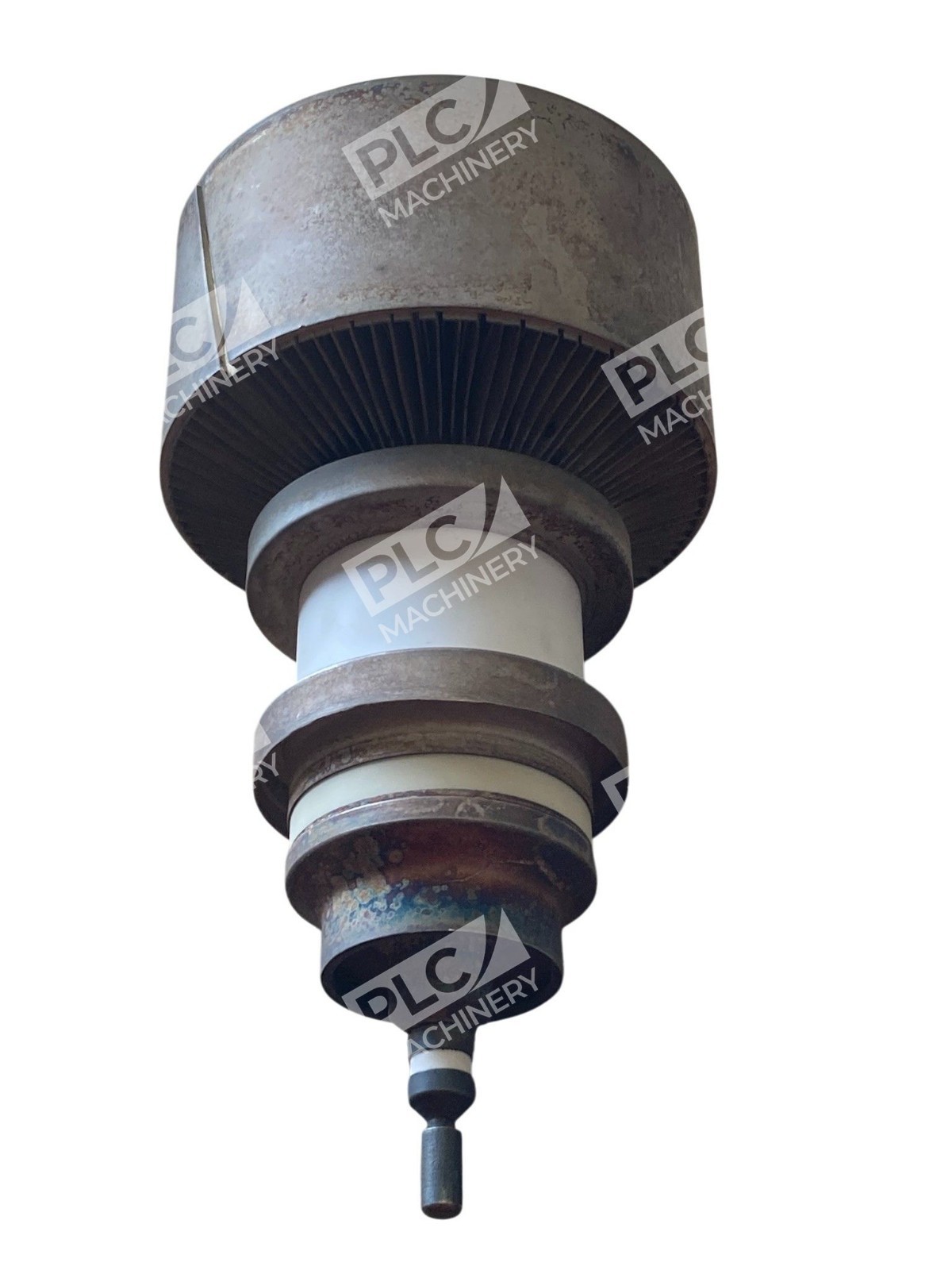
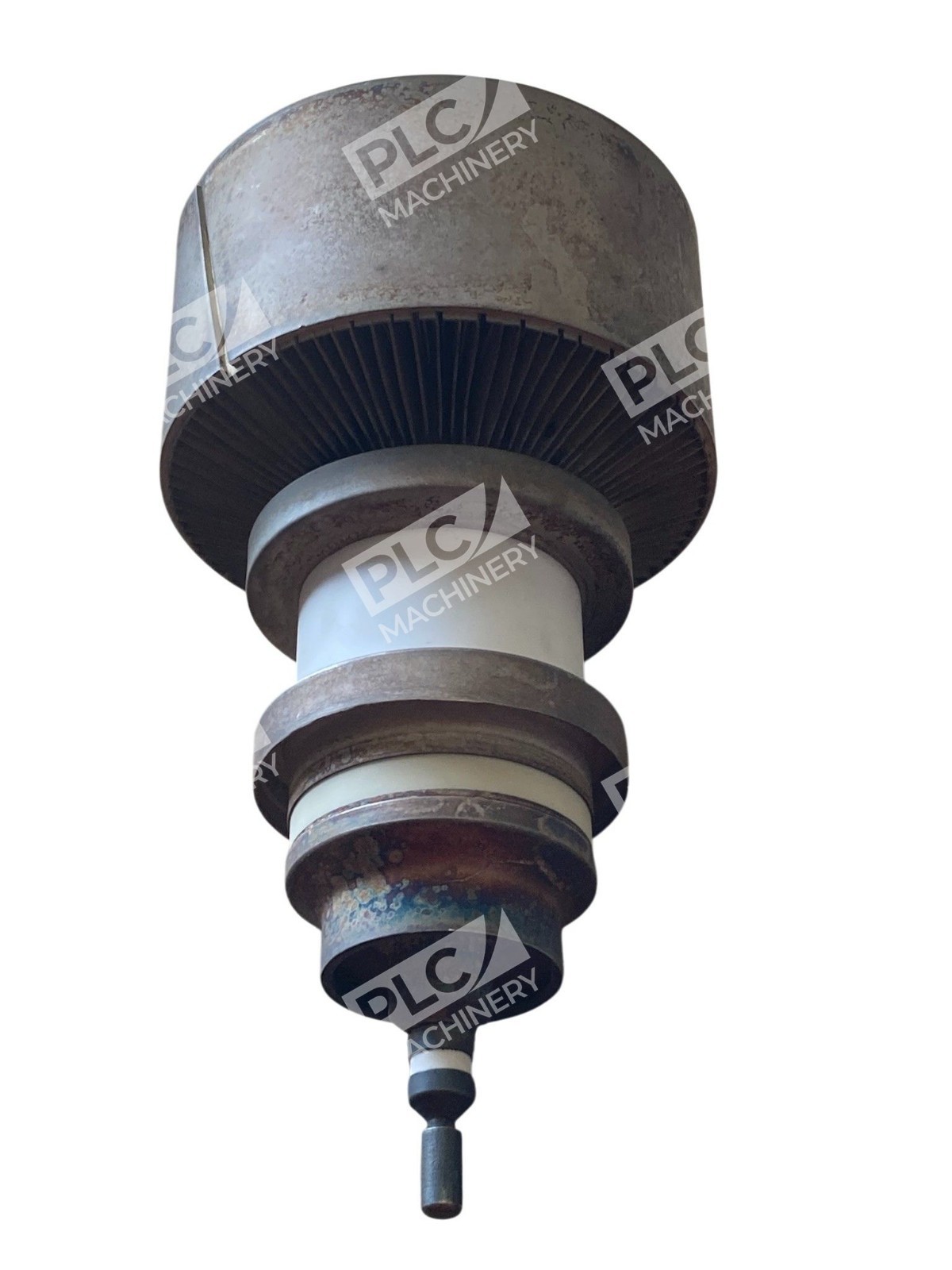
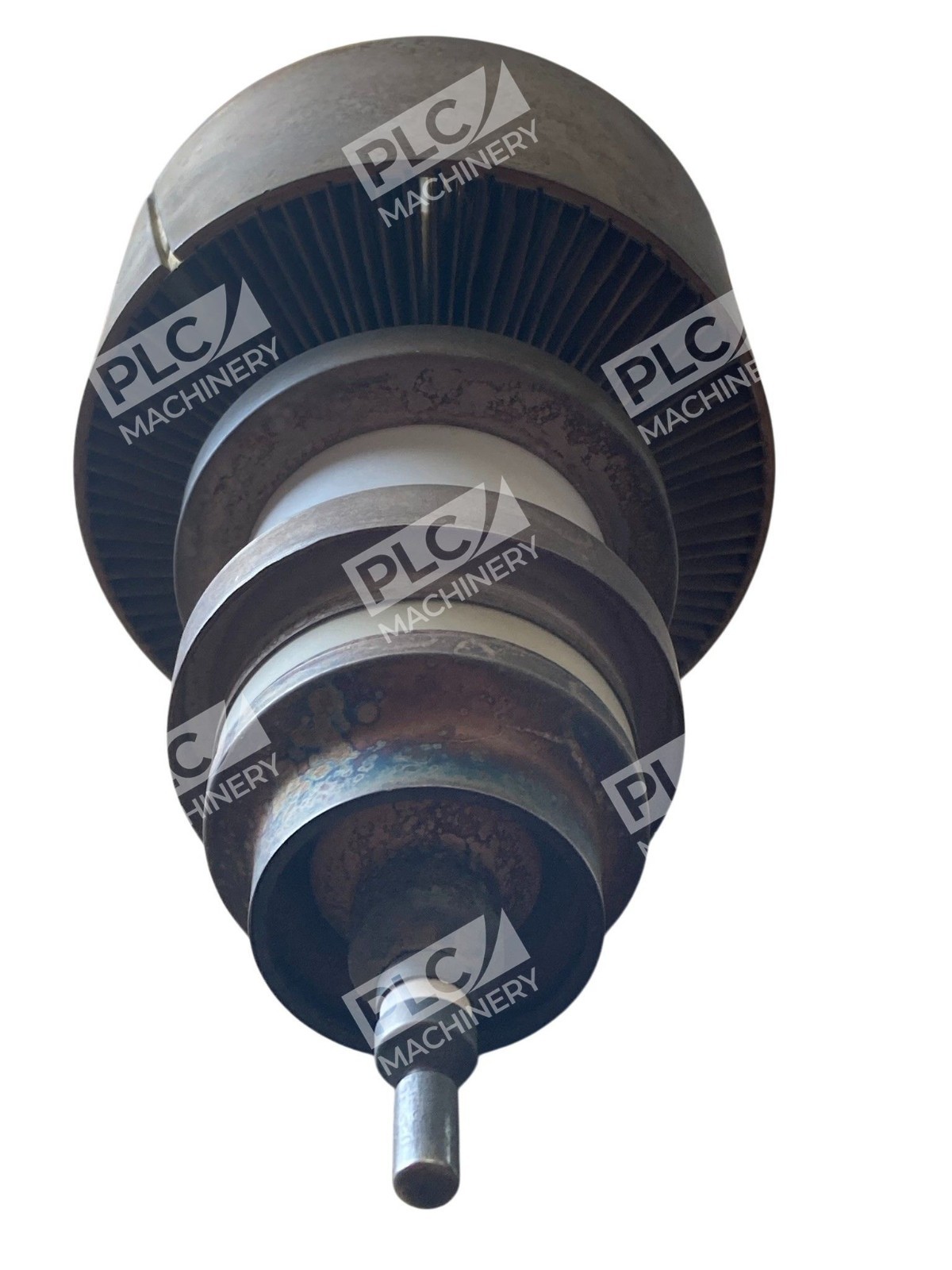
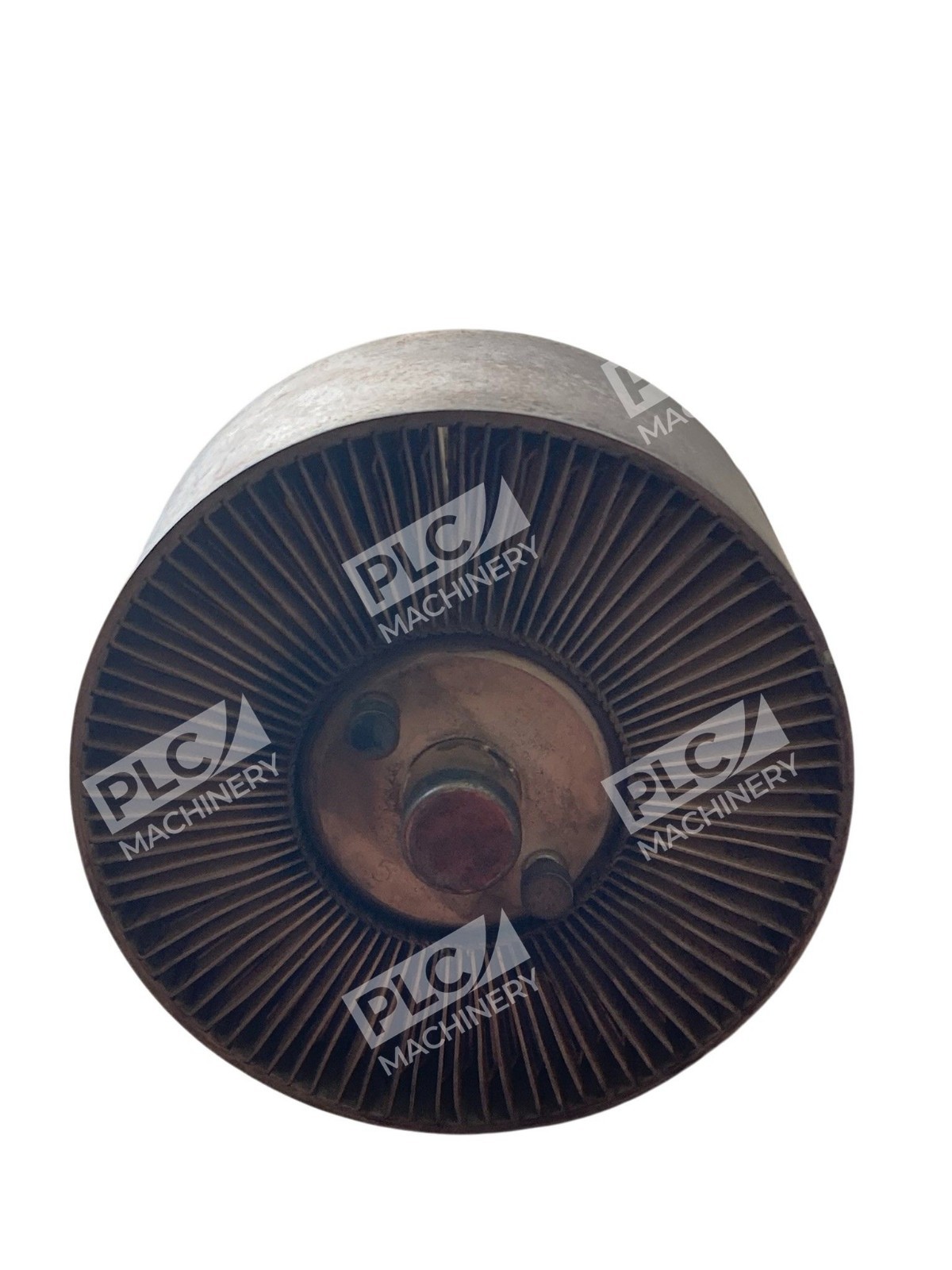
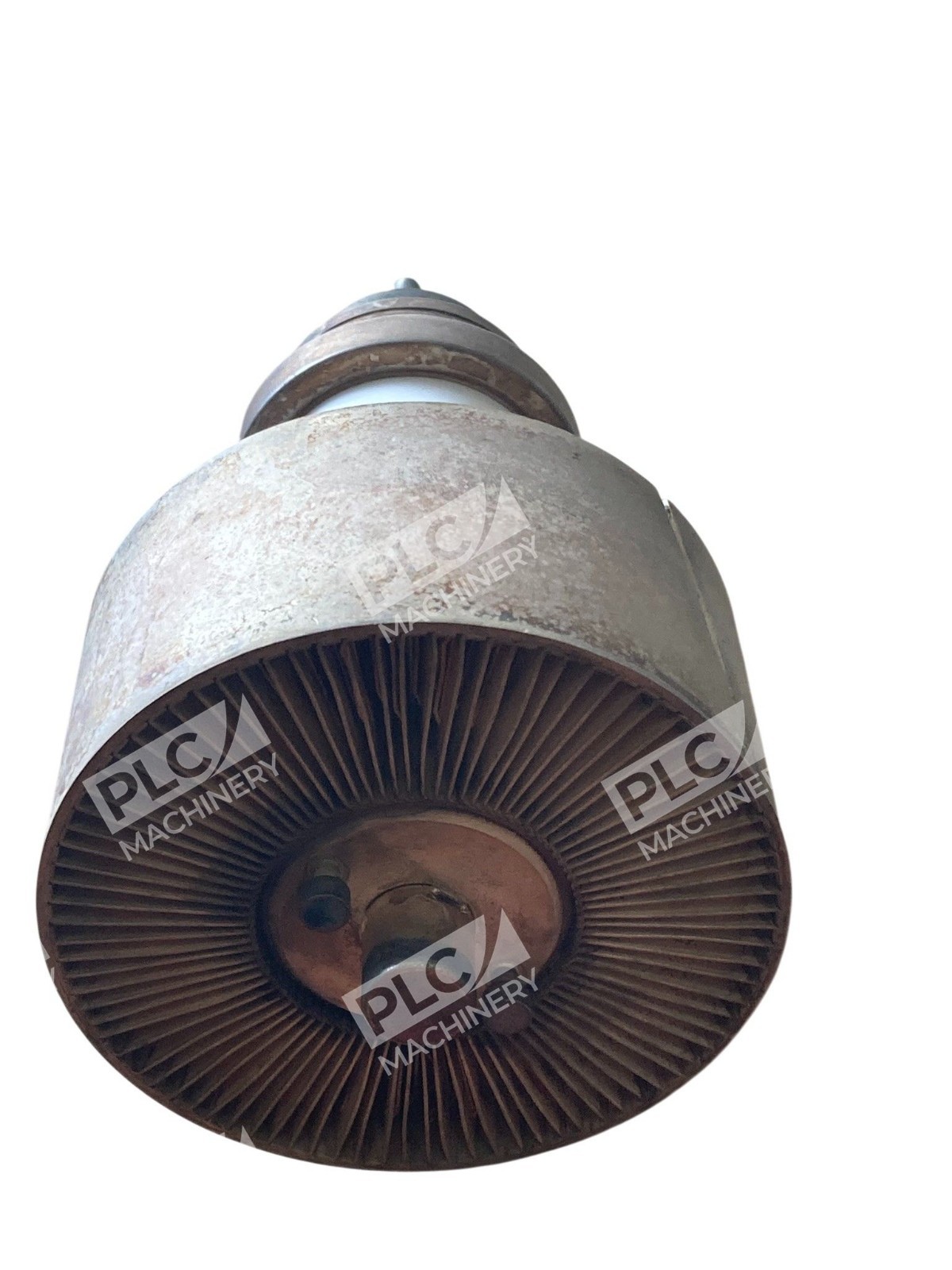
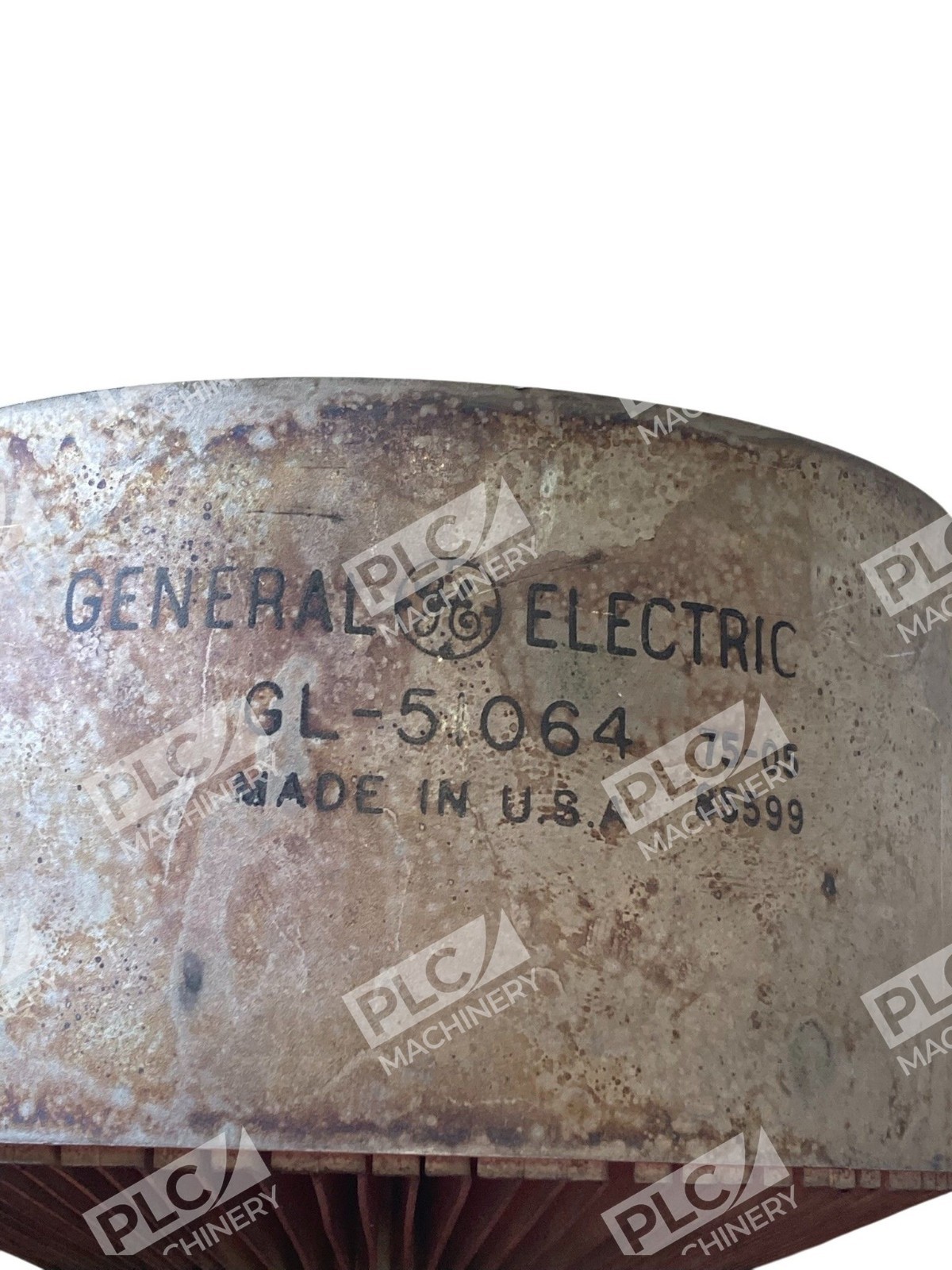
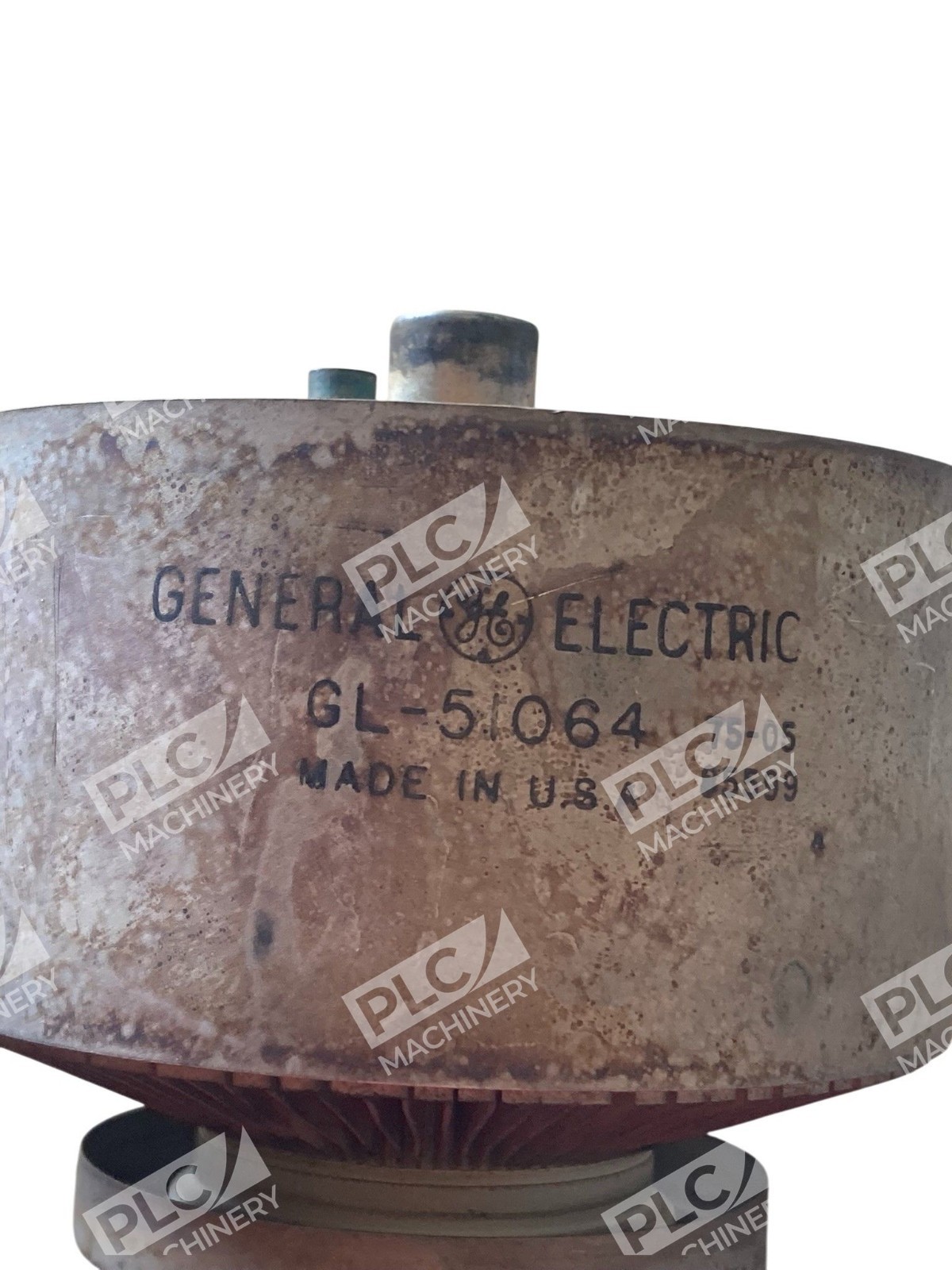
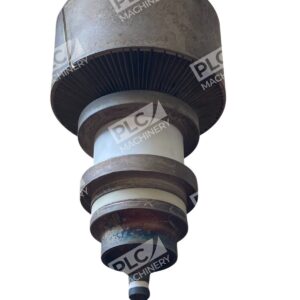
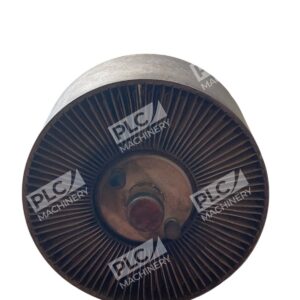
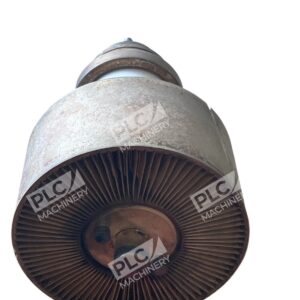
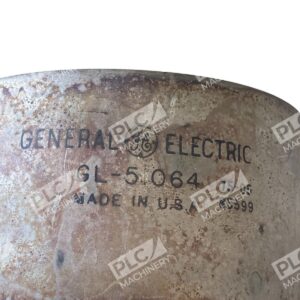
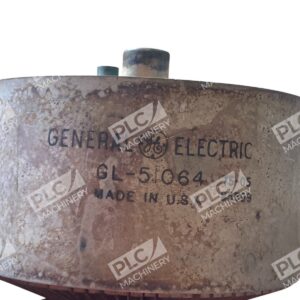
The GE GL-51064 is a vintage transmitting tetrode vacuum tube produced by General Electric as an industrial-grade component for RF and power applications. This air-cooled, coaxial design represents classic tube technology from the mid-20th century, prized by vintage electronics enthusiasts, ham radio operators, and restoration specialists for its robust construction and reliable performance characteristics.
Key Features
- Transmitting tetrode configuration for RF power amplification
- Air-cooled design for straightforward thermal management
- Coaxial construction minimizing parasitic capacitance
- Industrial-grade manufacturing by General Electric
- Original, authentic vintage tube with heritage documentation in archived catalogs
Technical Specifications
The GL-51064 is a four-electrode transmitting tube optimized for high-frequency applications. Specific operating parameters, heater voltage, plate dissipation, and maximum ratings should be verified against original GE industrial tube documentation or consultation with a qualified RF engineer before implementation in live circuits.
Typical Applications
- Vintage amateur radio transmitters and linear amplifiers
- Industrial RF heating and generation equipment
- Laboratory and test equipment from the mid-20th century
- Vintage audio and broadcast transmission systems
- Equipment restoration and museum collection projects
Compatibility & Replacements
Compatible With
- General Electric industrial tube equipment and systems
- Mid-20th century RF and power amplification circuits
- Vintage ham radio and amateur broadcasting platforms
- Equipment designed for tetrode-based power stages
Replaces / Drop-In Replacement For
Verify compatibility with your system integrator, equipment manual, or RF engineer before ordering. Tube substitutions in high-voltage RF circuits require precise electrical matching and thermal management validation to ensure safe operation and prevent equipment damage.
Works With
- Vintage tube socket designs (coaxial connector verification required)
- Push-pull and single-ended RF amplifier topologies
- CW, SSB, and AM transmission systems
- High-voltage DC and RF bias networks