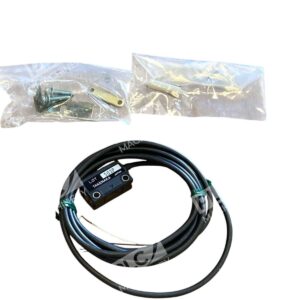
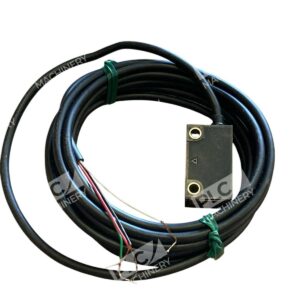
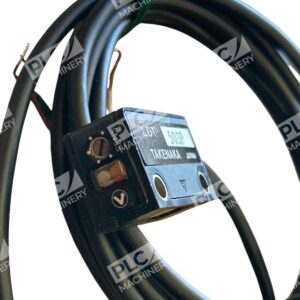
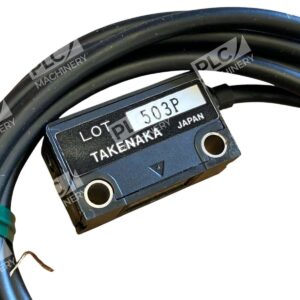


Overview
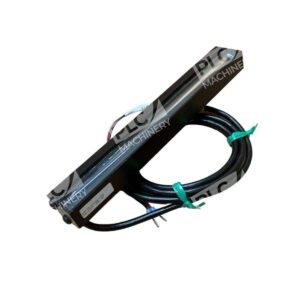
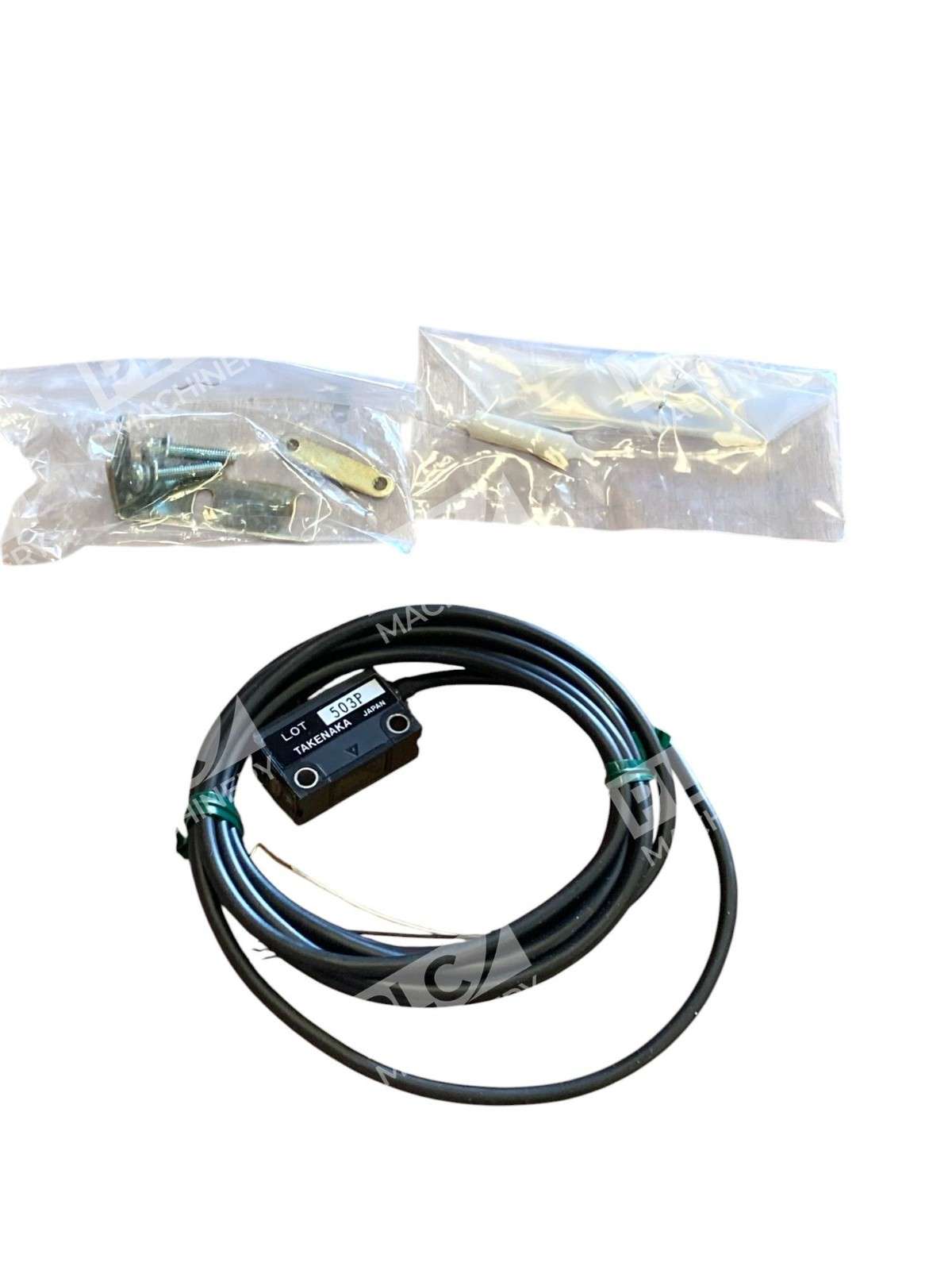
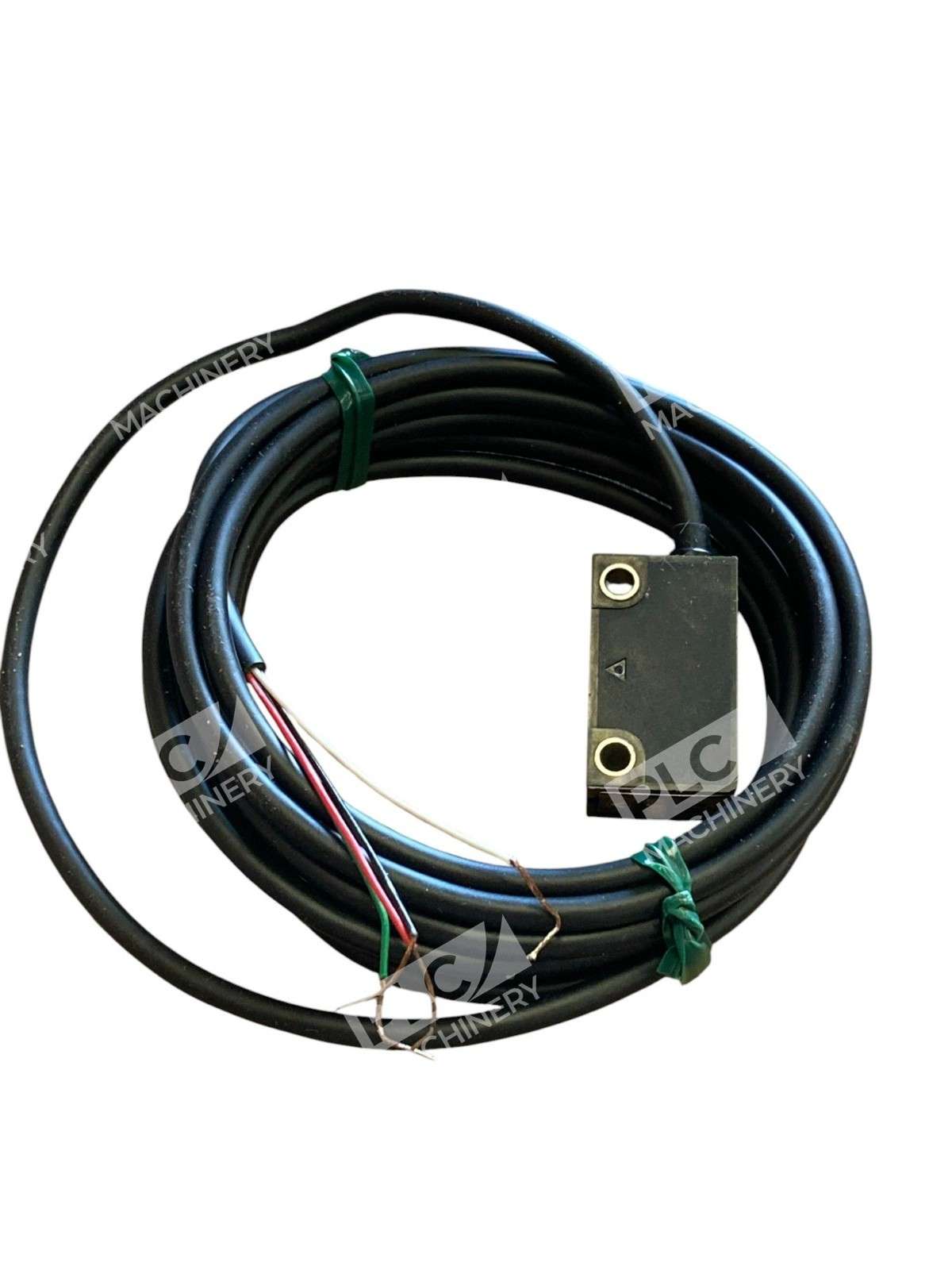
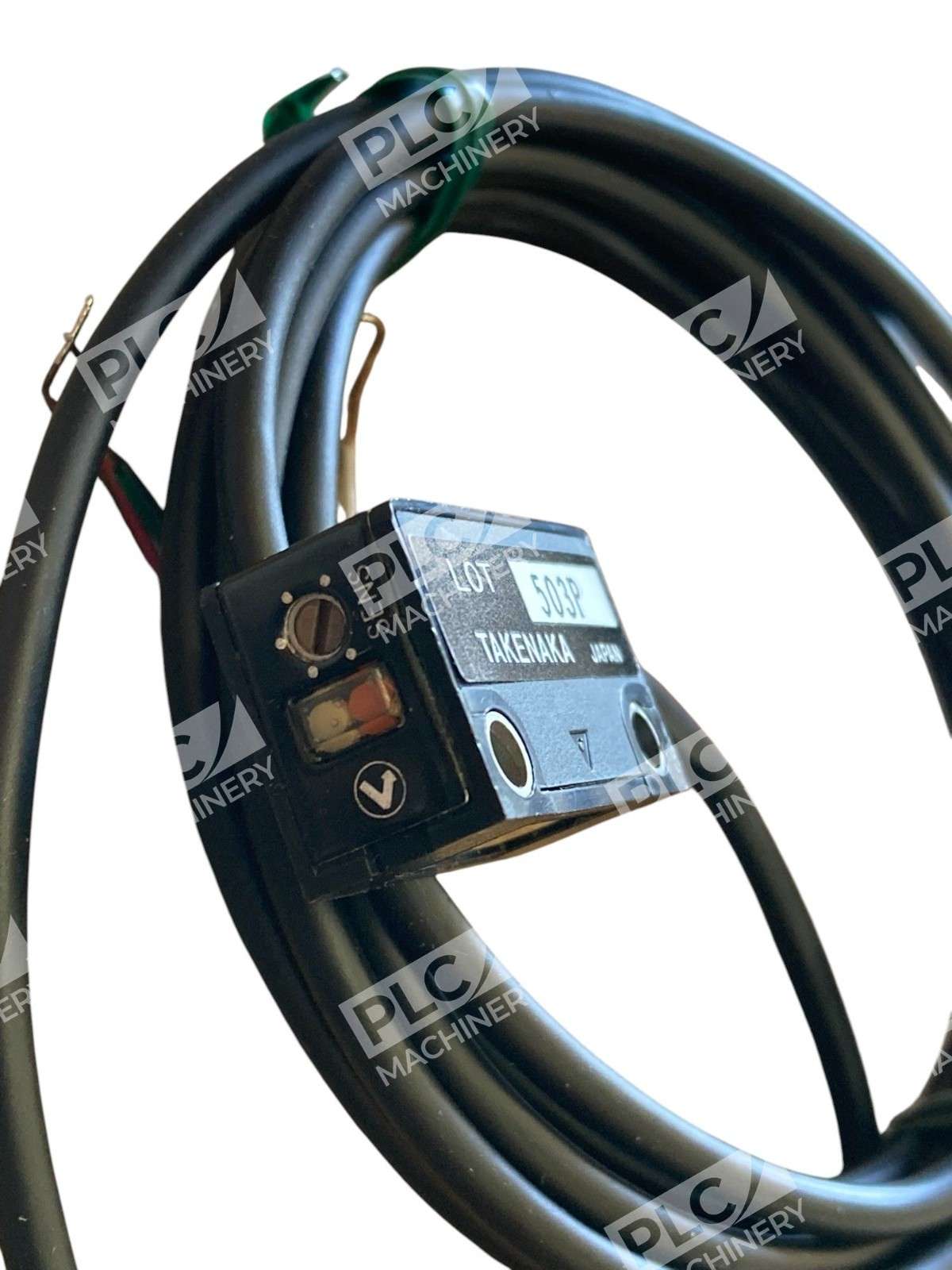
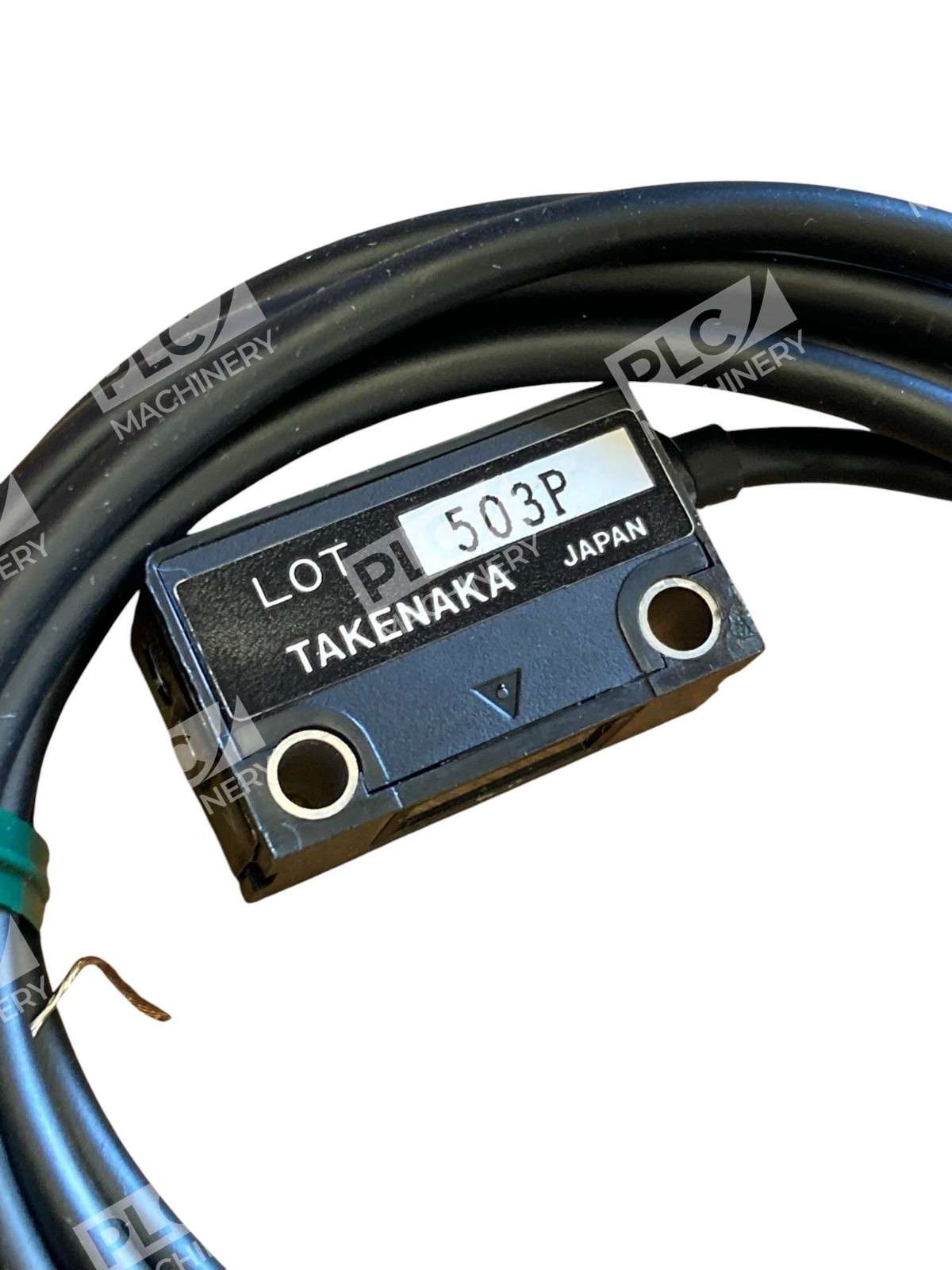
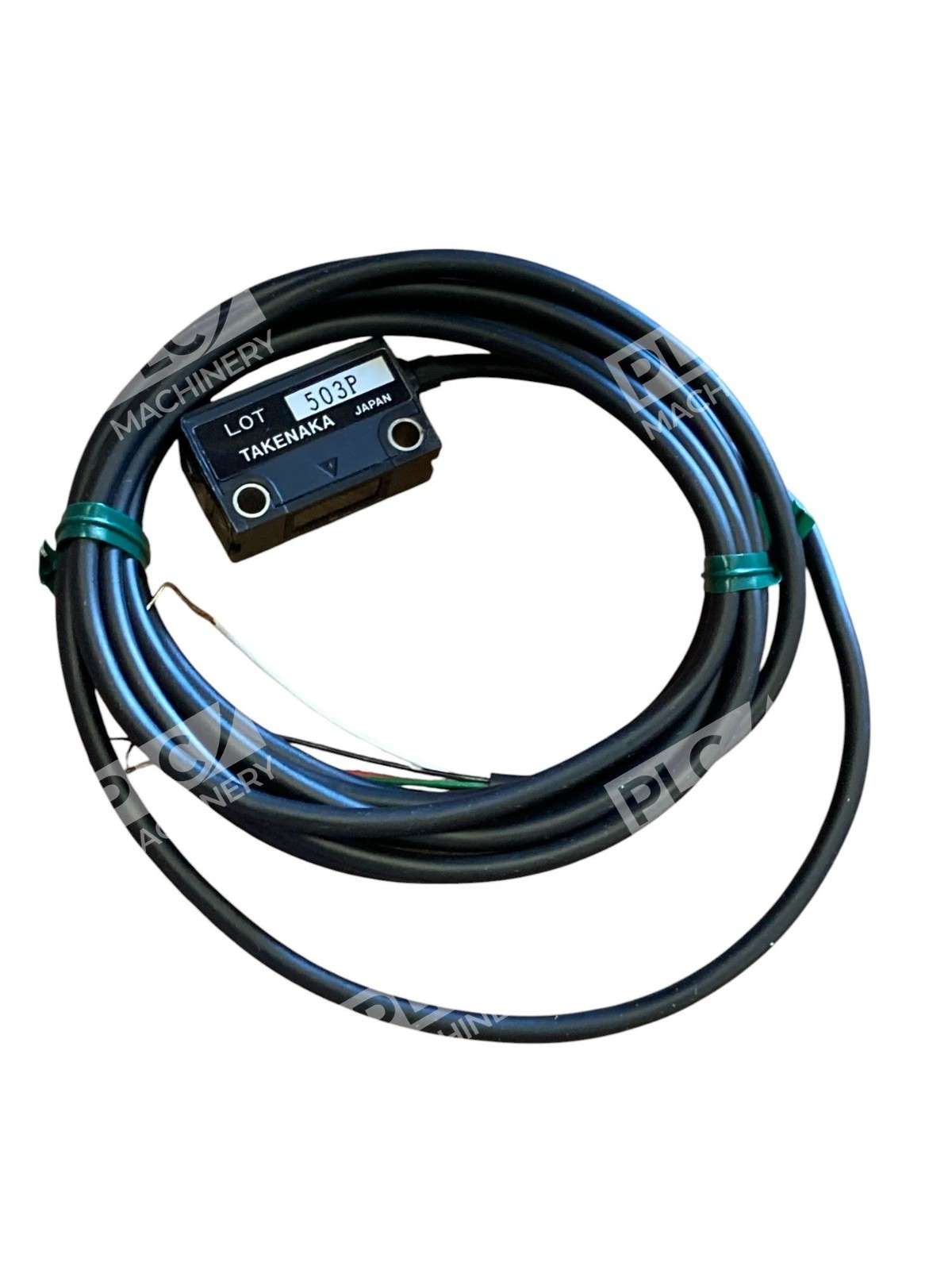
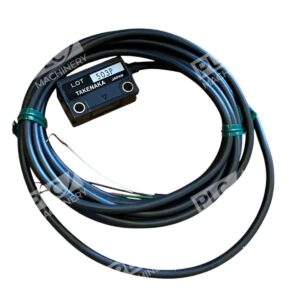
The Takenaka 503P photoelectric sensor is a precision detection device from Takenaka Electronic Industrial Co., Ltd., a specialized manufacturer of industrial photoelectric sensors. This model is engineered for industrial automation applications requiring reliable object detection, presence sensing, and position identification in conveyor systems, assembly lines, packaging equipment, and inspection stations.
Key Features
- Photoelectric detection technology for industrial motion control and automation
- Designed for high-reliability sensing in manufacturing environments
- Compact form factor suitable for space-constrained mounting
- Japanese precision engineering and manufacturing standards
- Compatible with standard industrial control systems and PLCs
Technical Specifications
Complete technical specifications for the Takenaka 503P, including operating voltage, output type, response time, sensing range, and mounting dimensions, should be verified against the manufacturer’s product documentation or the distributor datasheet before ordering. Please contact your system integrator or our technical support team for detailed configuration requirements.
Typical Applications
- Conveyor belt object detection and position sensing
- Packaging and labeling equipment
- Assembly line automation and component identification
- Manufacturing inspection and quality control
- Motion control systems requiring reliable triggering
Compatibility & Replacements
Compatible With
- Standard PLC systems (Allen-Bradley, Siemens, Mitsubishi, Omron)
- Industrial control networks and relay circuits
- 24 VDC and AC-powered automation systems
- Fiber optic and proximity sensing applications
Replaces / Drop-In Replacement For
Verify compatibility with your system integrator before ordering. Takenaka manufactures multiple sensor series; confirm that model 503P is the correct replacement for your existing equipment.
Works With
- Industrial relay logic and hardwired controls
- PLC and motion control programming software
- NPN and PNP output configurations (model-dependent)
- Light/dark output selection for flexible sensing modes