

Overview
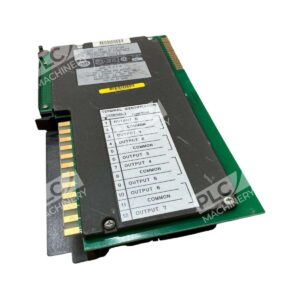
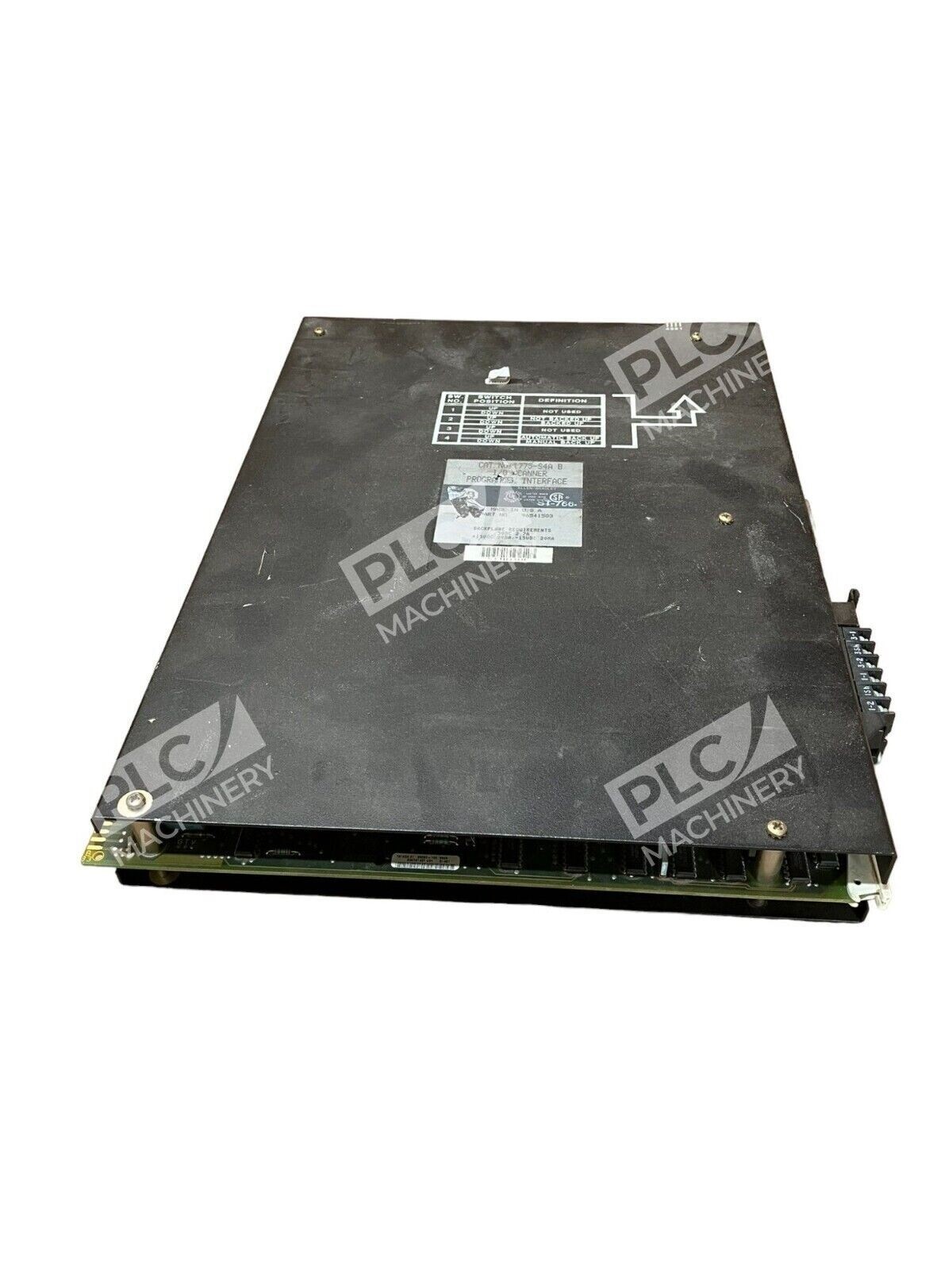
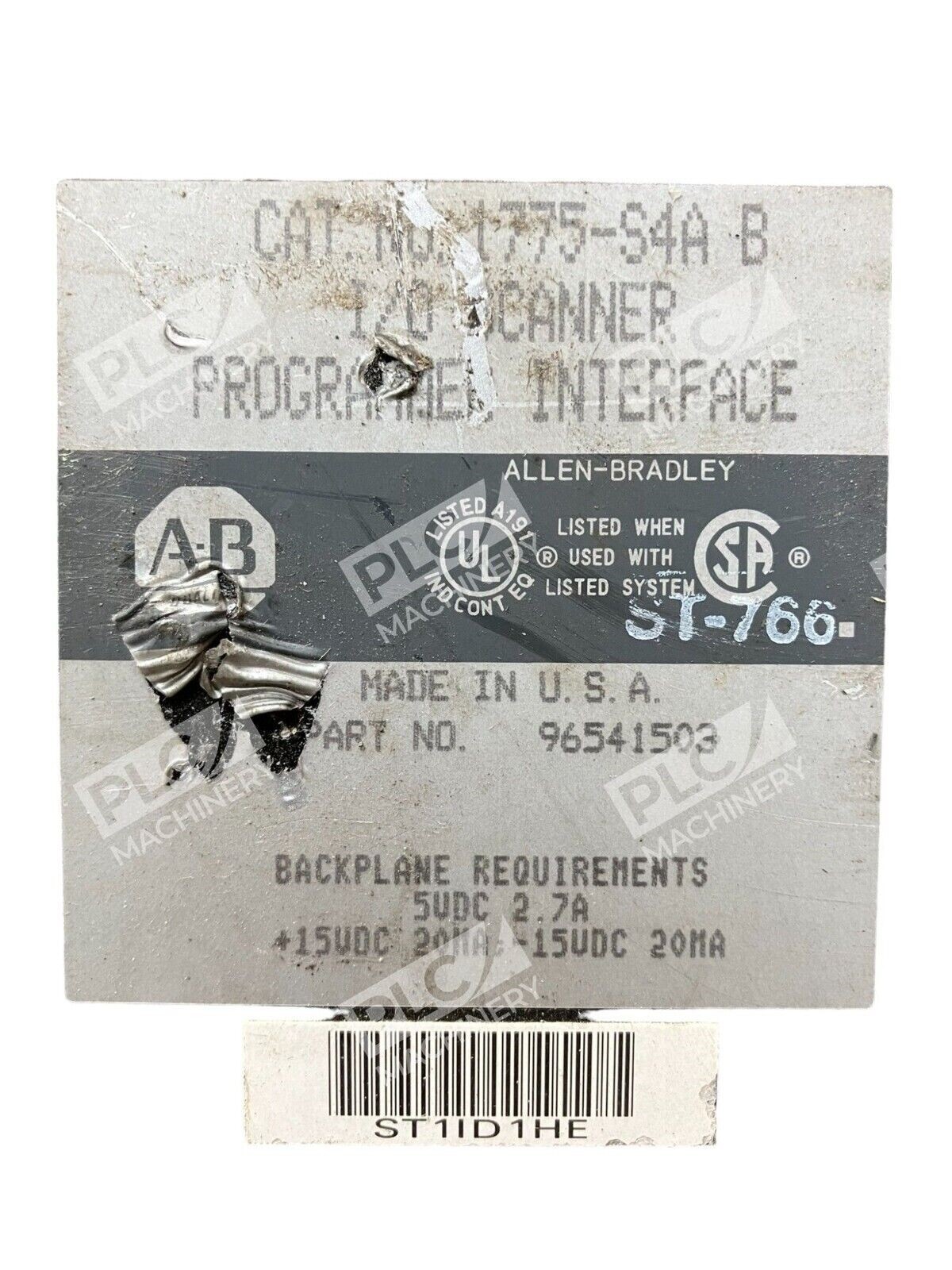
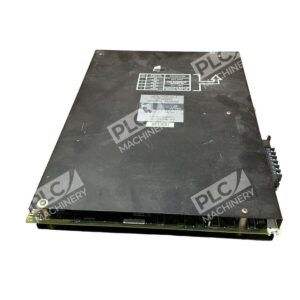
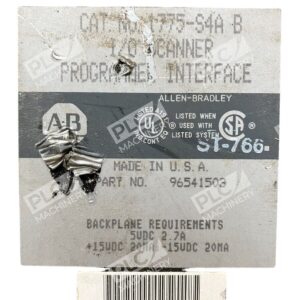
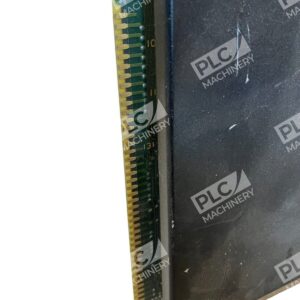
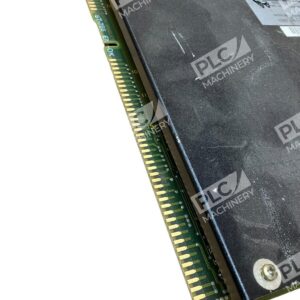
The Allen-Bradley 1775-S4A /B scanner programmer interface is a proven I/O module engineered for Rockwell Automation’s PLC-3 processor platform. This interface bridges communication between your PLC-3 controller and remote I/O racks, enabling high-speed data exchange across distributed automation networks. The Series B variant offers proven reliability in legacy industrial control systems still running in manufacturing facilities, food processing, and OEM equipment worldwide.
Key Features
- High I/O Density: Supports 2,048 inputs and 2,048 outputs for comprehensive system control
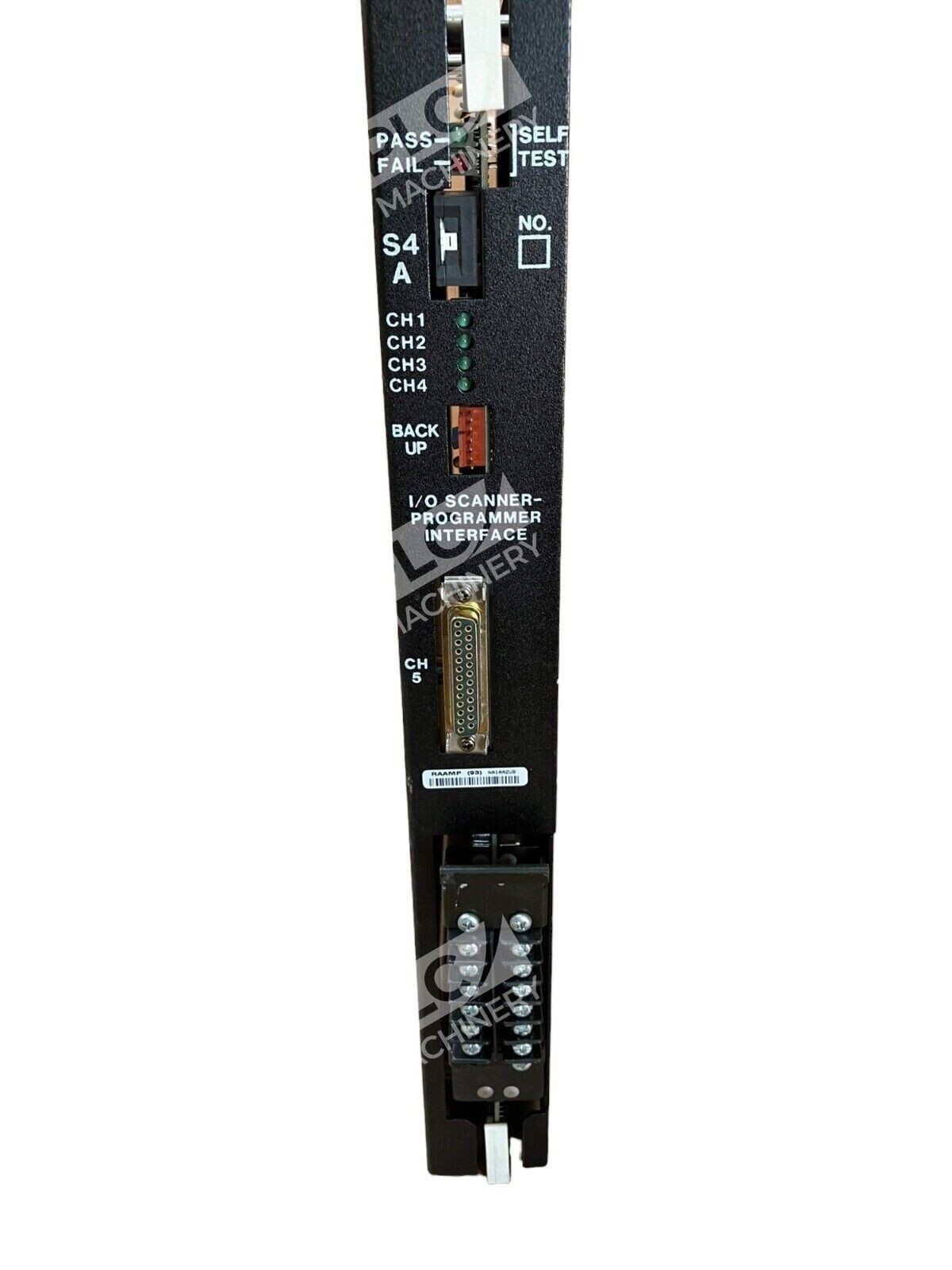
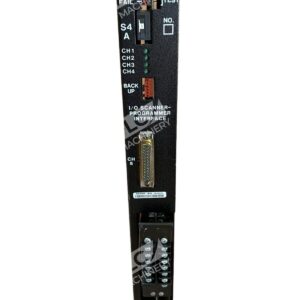
- Multiple Communication Channels: Four dedicated I/O communication channels plus one RS-232-C port for programming and diagnostics
- Five-Channel Architecture: Manages multiple I/O racks or devices with independent channel status monitoring
- Built-in Diagnostics: Two self-test LEDs and four status indicators per channel for rapid troubleshooting
- Standard Connectivity: DB-25 female D-Sub connector for straightforward integration with legacy control systems
Technical Specifications
- 5V Power Supply Current: 2.7 A at 5 VDC
- Auxiliary Power Current: 20 mA at ±15 VDC
- Operating Temperature Range: 0°C to 60°C
- I/O Capacity: 2,048 inputs / 2,048 outputs
- Communication Channels: 4 I/O scanner channels + 1 RS-232-C channel
- Connector Type: DB-25 female D-Sub
- I/O Management: Five dedicated input/output channels
- Compatibility: PLC-3 processor series
Typical Applications
The 1775-S4A /B excels in legacy manufacturing environments where PLC-3 systems remain mission-critical. Common applications include:
- Remote I/O rack communication and synchronization
- Multi-station assembly line control and monitoring
- Distributed automation networks requiring real-time I/O scanning
- Equipment retrofits and system upgrades preserving existing PLC-3 investments
- OEM machine control platforms with extensive sensor and actuator arrays
Compatibility & Replacements
The 1775-S4A /B is a direct module for Allen-Bradley PLC-3 systems. When sourcing replacements or alternatives, verify that any substitute module supports the same 2,048 I/O capacity, five-channel architecture, and RS-232-C programming interface required by your application. Used units like this one offer significant cost savings compared to new OEM inventory while maintaining proven performance in established control networks. Always confirm connector compatibility and firmware version alignment before integration into production systems.