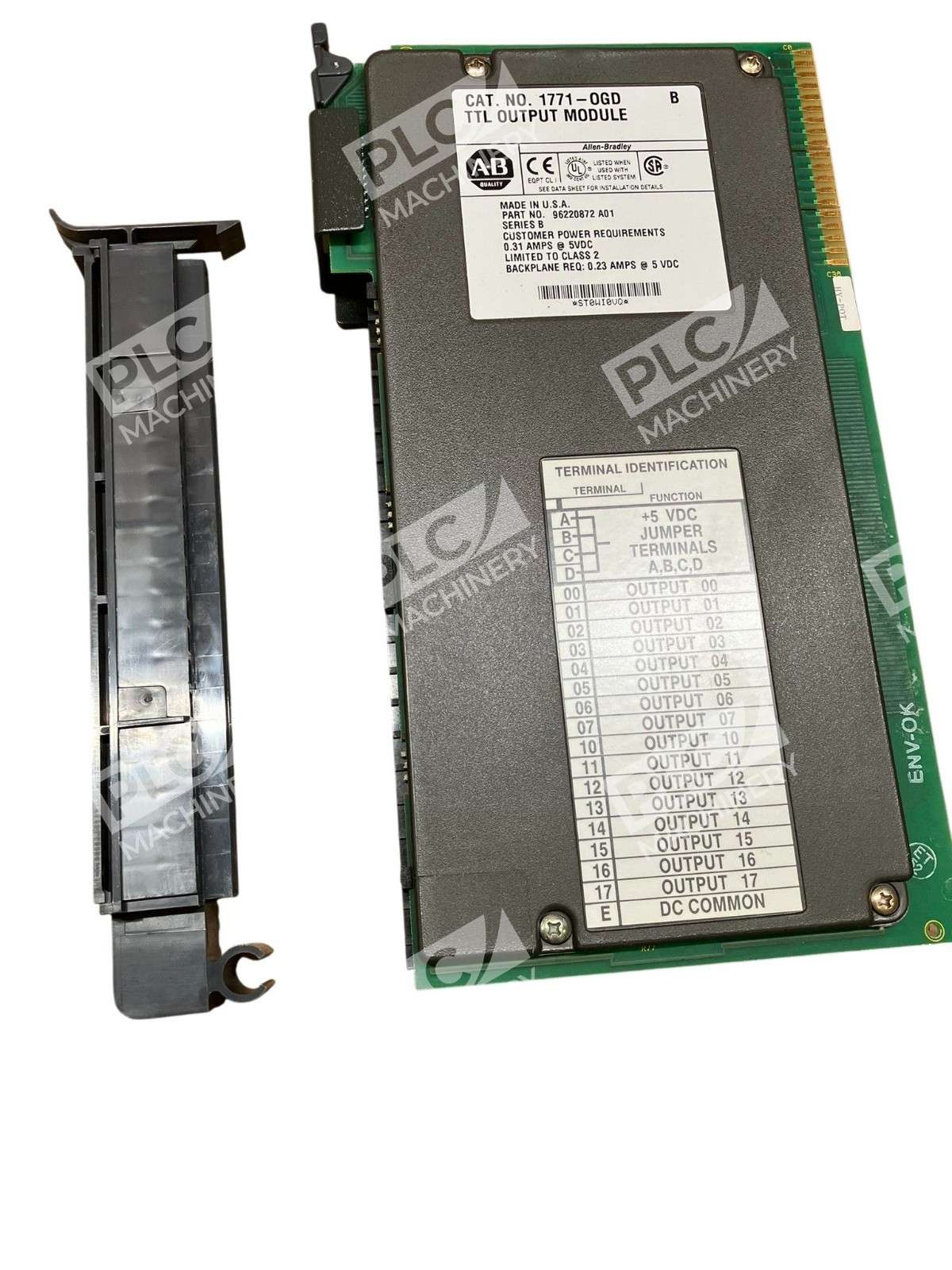
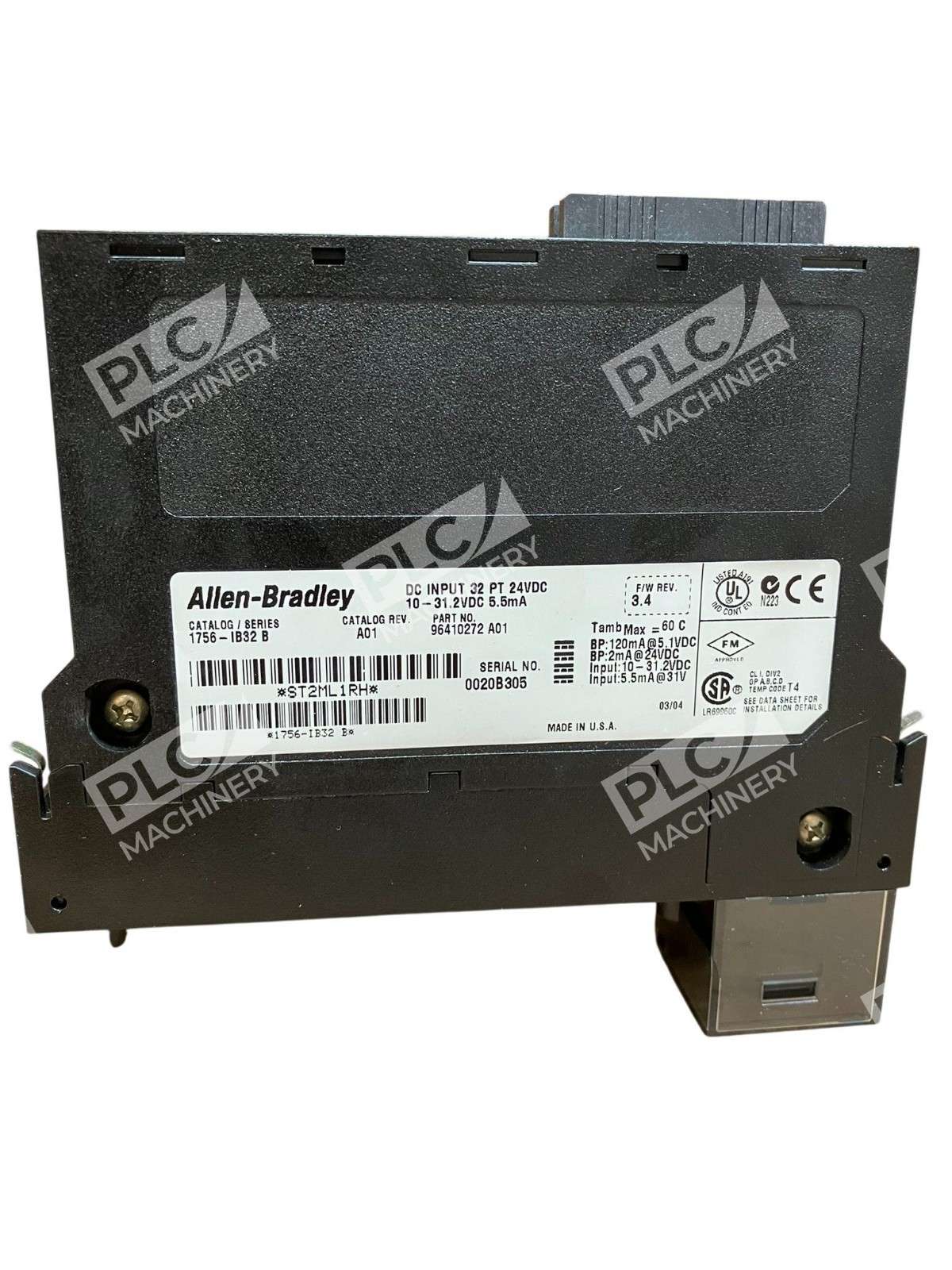
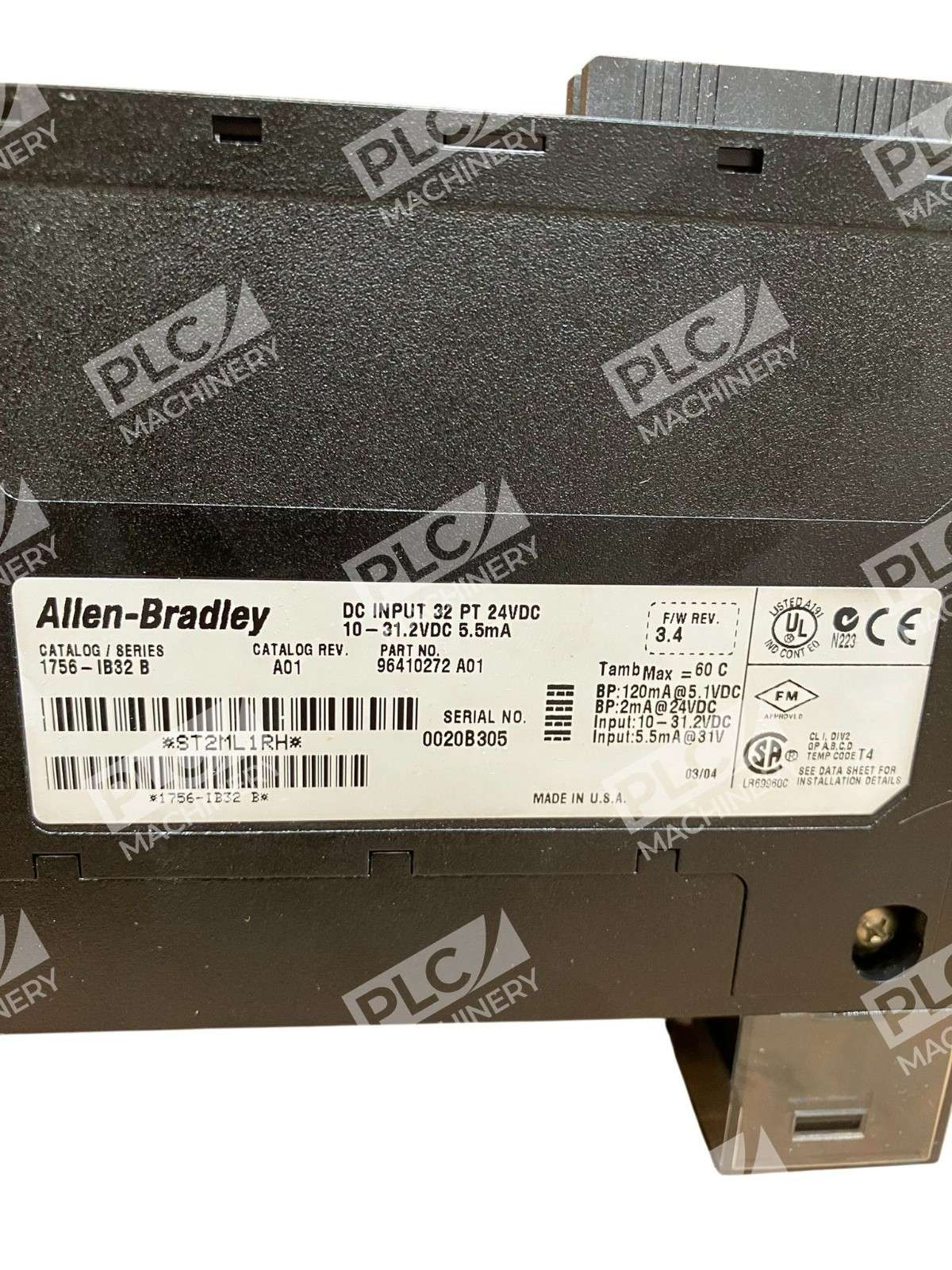
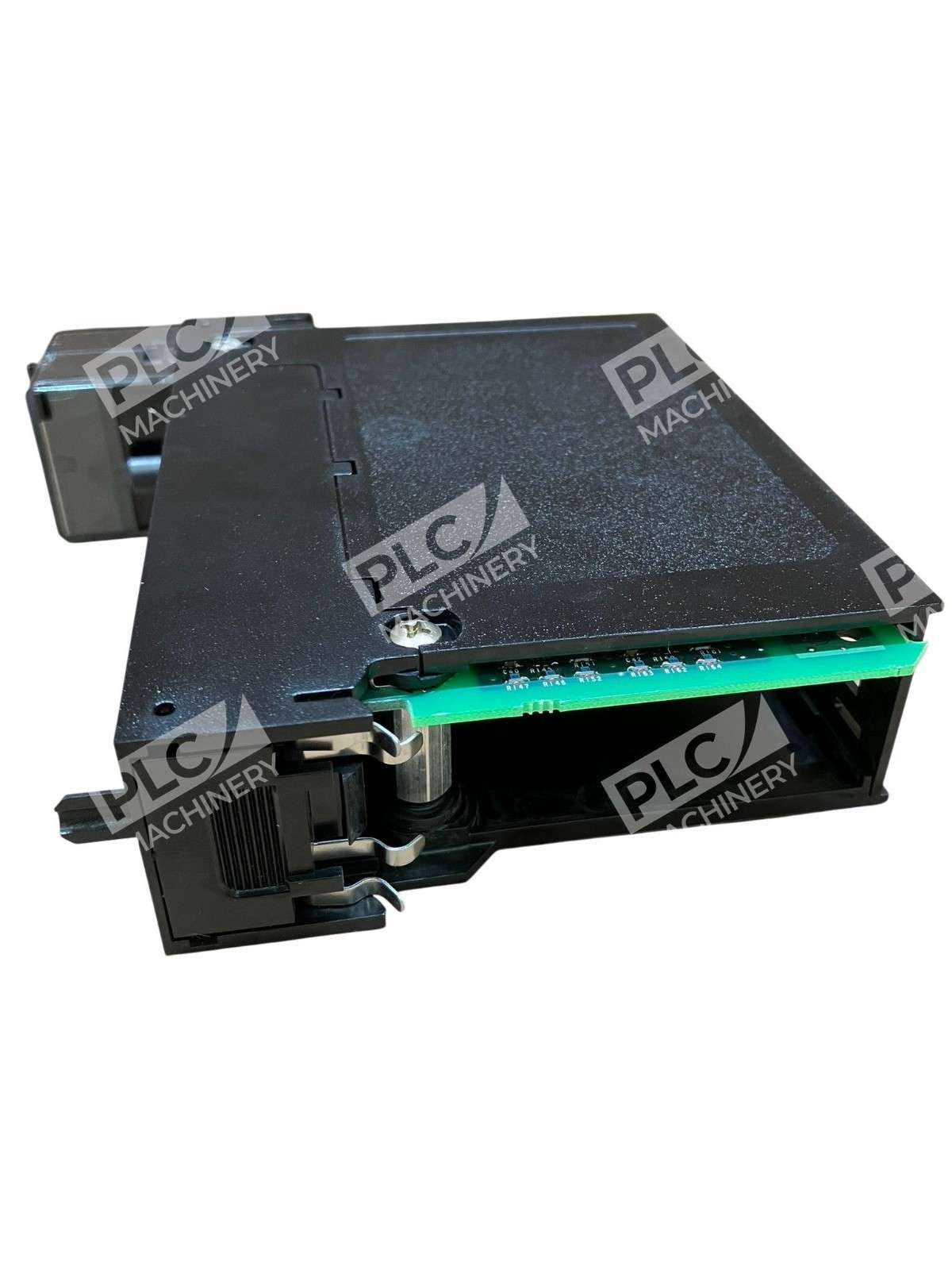
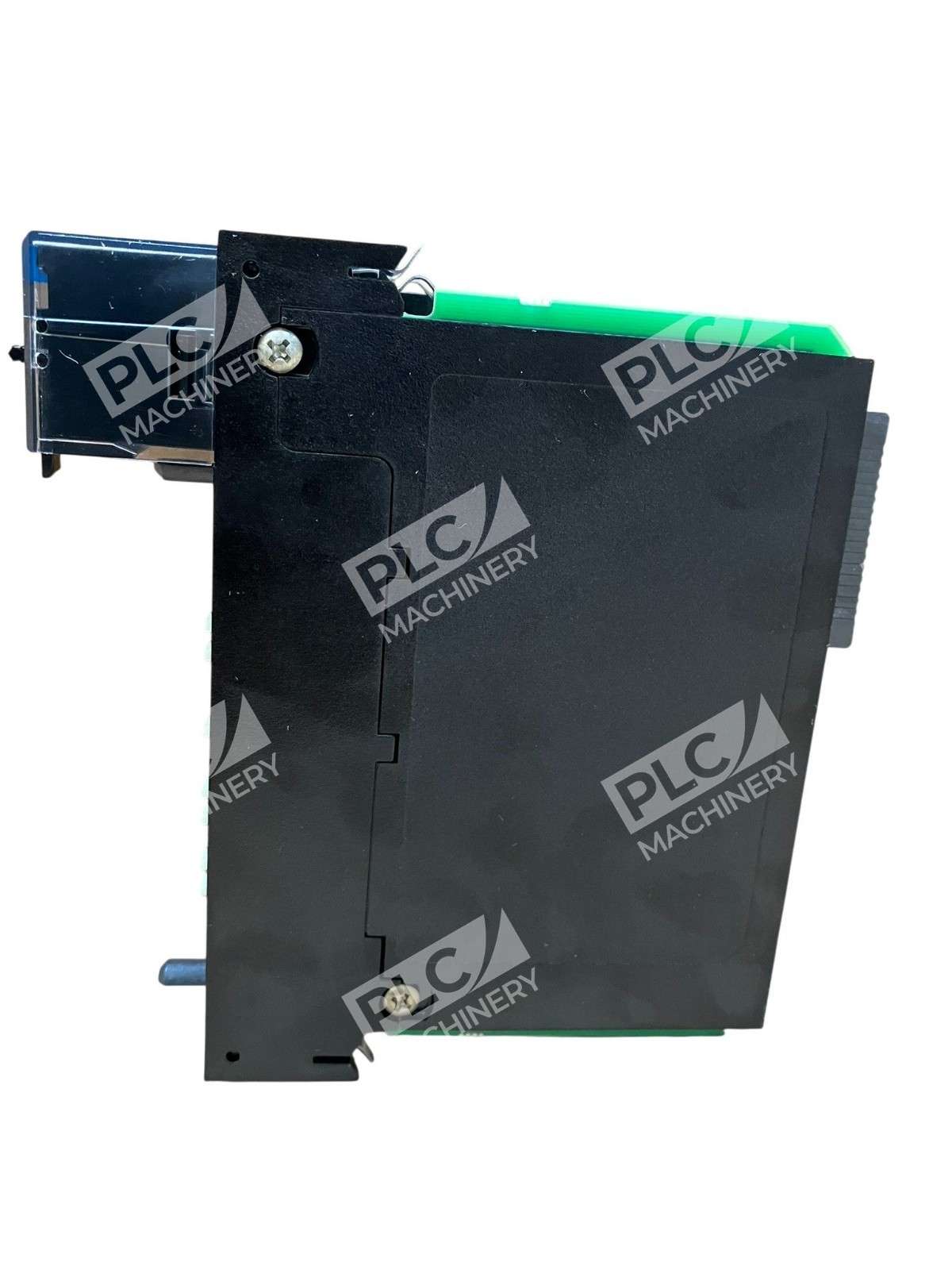


Overview
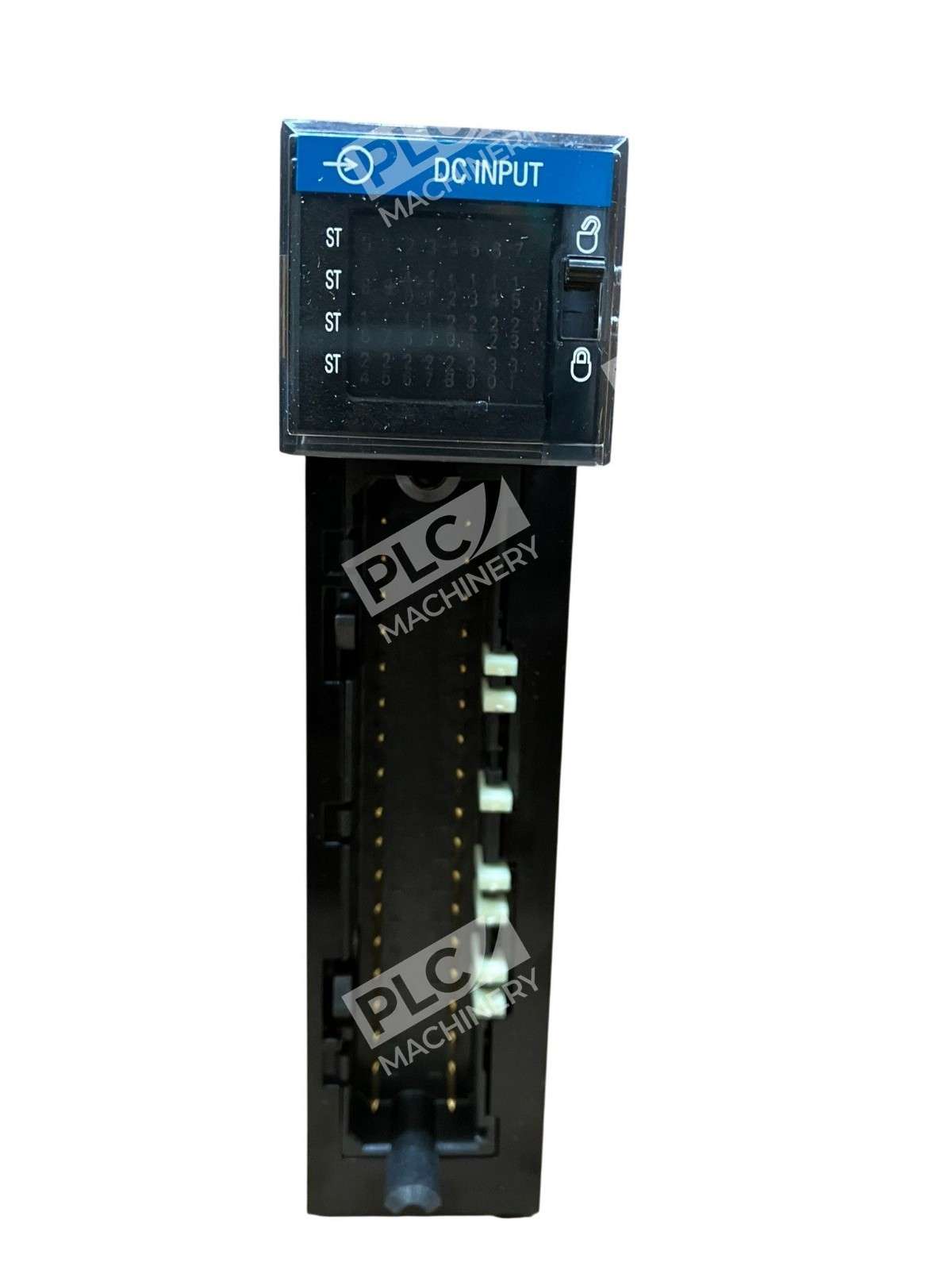
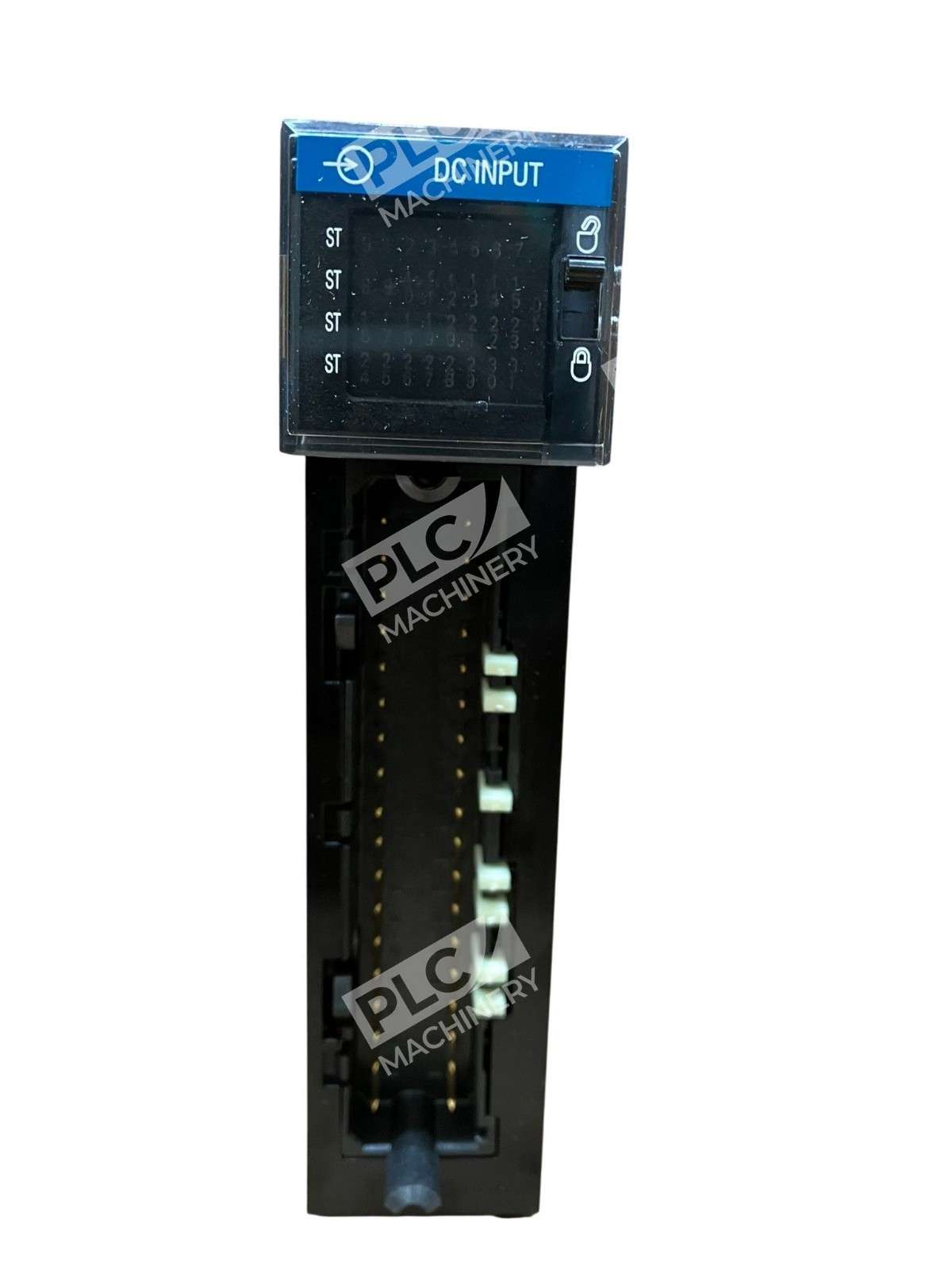
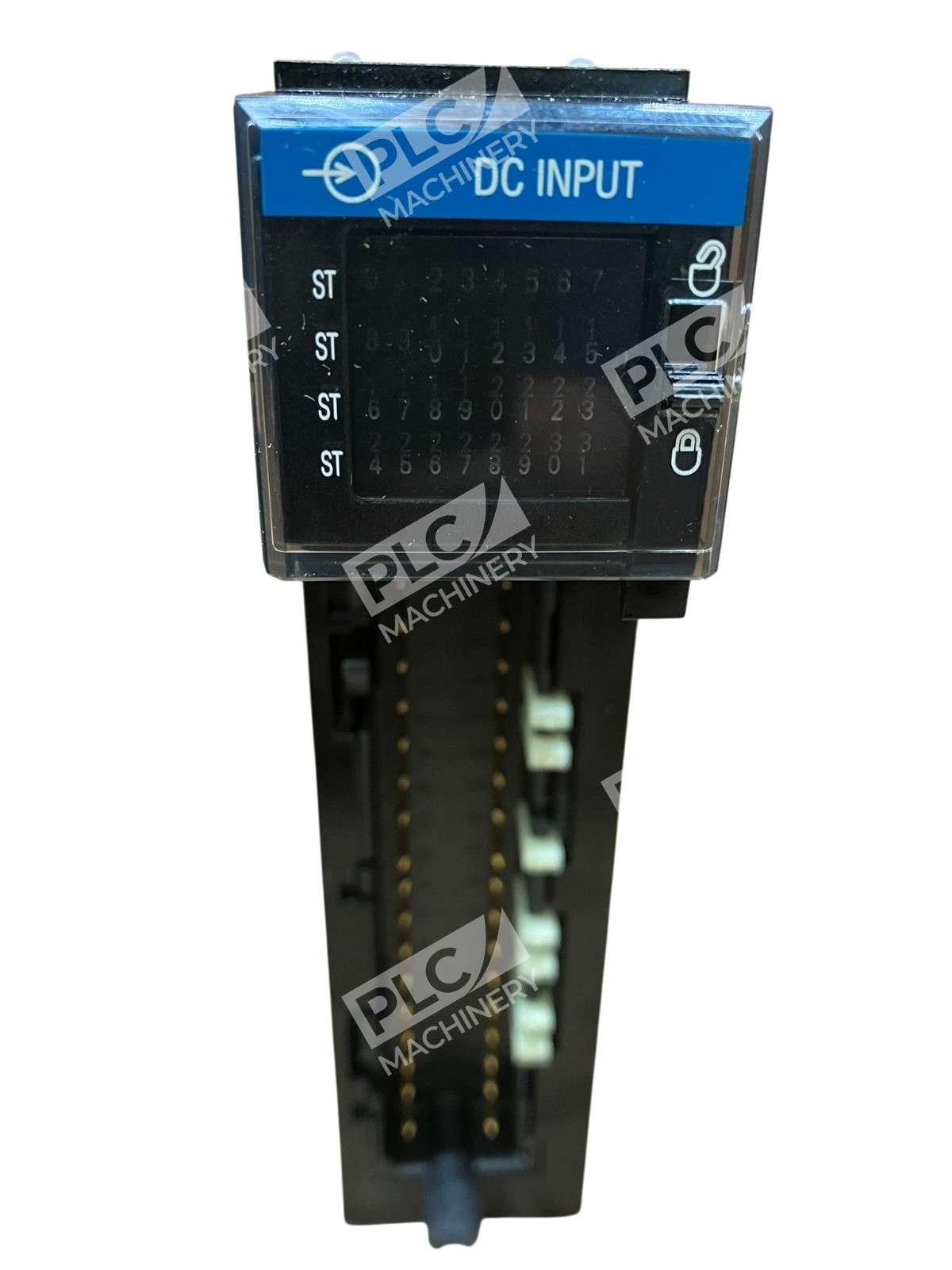
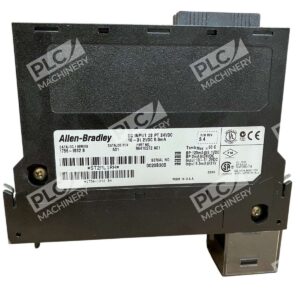
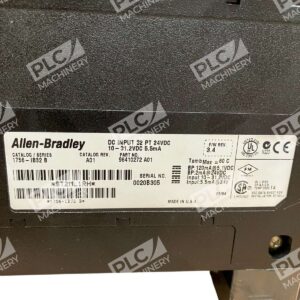
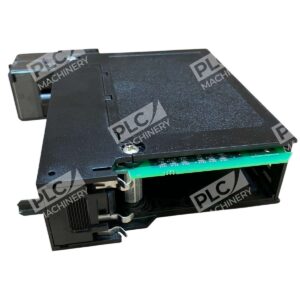
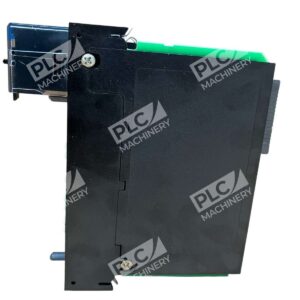
The Allen-Bradley 1756-IB32 is a ControlLogix 32-point DC input module designed for industrial discrete signal acquisition. Operating across 10–31.2V DC with a nominal 24V DC sink voltage, the 1756-IB32 handles both high and low voltage applications within the ControlLogix ecosystem. Built with current sinking architecture, it provides clean digital logic capture for PLC-based automation systems.
Key Features
- 32 discrete input points organized in two 16-point groups with independent filtering
- Wide operating voltage range (10–31.2V DC) with 5.5mA max on-state current at 31.2V
- Configurable input filtering: 0, 1, 2, 9, or 18 ms selectable response time
- Hardware delay 380 µs (off-to-on) + 420 µs (on-to-off) for fast edge detection
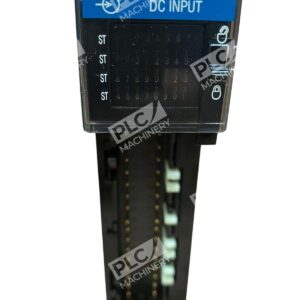
- Built-in input status and module health display via LED indicators
- ESD immunity (6 kV contact, 8 kV air) and full EMI/RFI hardening per IEC 61000 standards
- Reverse polarity protection and optional removable terminal block (1756-TBCH) or RTB keying
Technical Specifications
Compact form factor designed for single-slot ControlLogix chassis mounting. Operating temperature 0–60°C with non-condensing humidity range 5–95%. Maximum inrush current 250 mA (decaying <37% in 22 ms). Power dissipation 6.2 W @ 60°C. Thermally efficient at 21.1 BTU/hr.
Typical Applications
- Manufacturing line start/stop and emergency stop circuits
- Pneumatic cylinder and solenoid valve monitoring
- Proximity sensor and limit switch aggregation
- Safety interlock and status verification
- Equipment diagnostics and real-time process feedback in automotive, food processing, and material handling systems
Compatibility & Replacements
The 1756-IB32 mounts directly into any 1756 ControlLogix chassis (1756-A4, 1756-A7, 1756-A10, 1756-A13, 1756-A16, 1756-A23). Compatible with RSLogix 5000 (Studio 5000) via EDS file and standard ControlLogix network. Optional pairing: 1756-TBCH terminal block or 1756-TBS6H RTB keying. No-door version (as listed) fits in open enclosure layouts. Accepts 1756-TBS6H user-defined keying for custom I/O protocols.