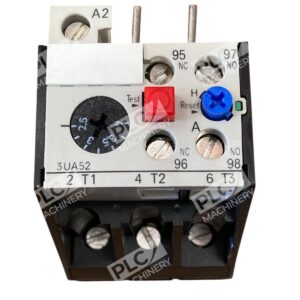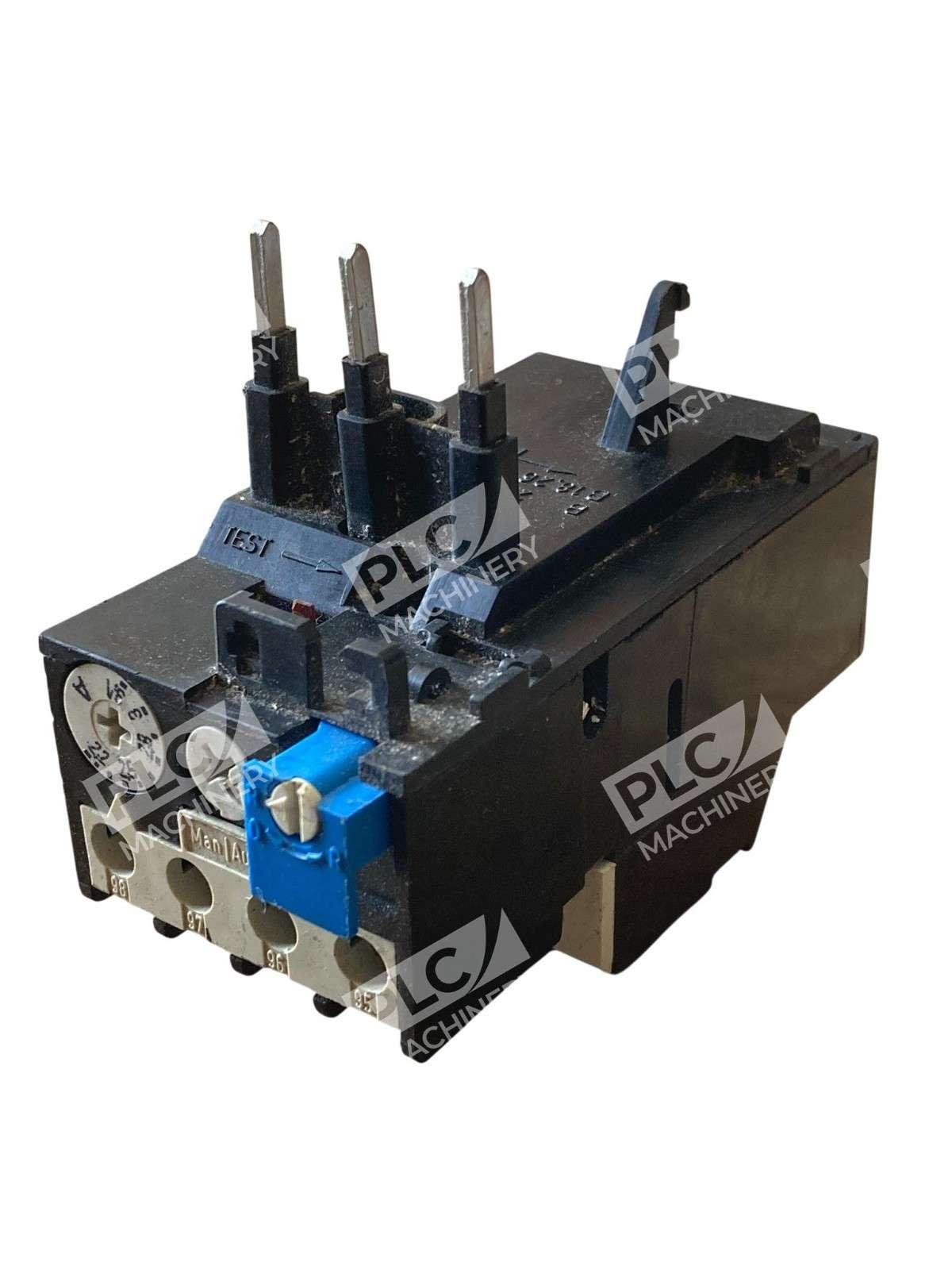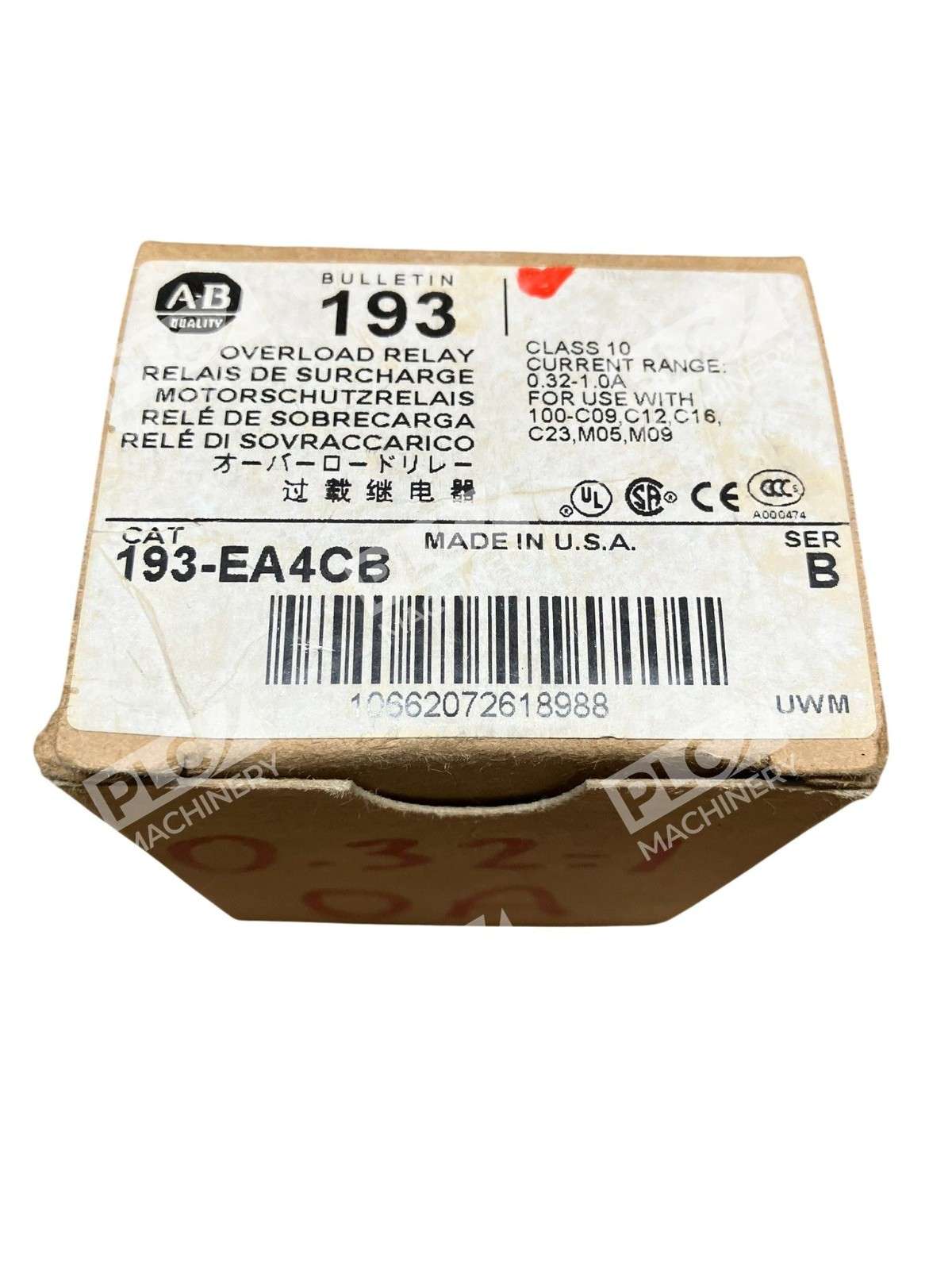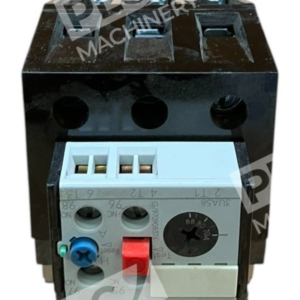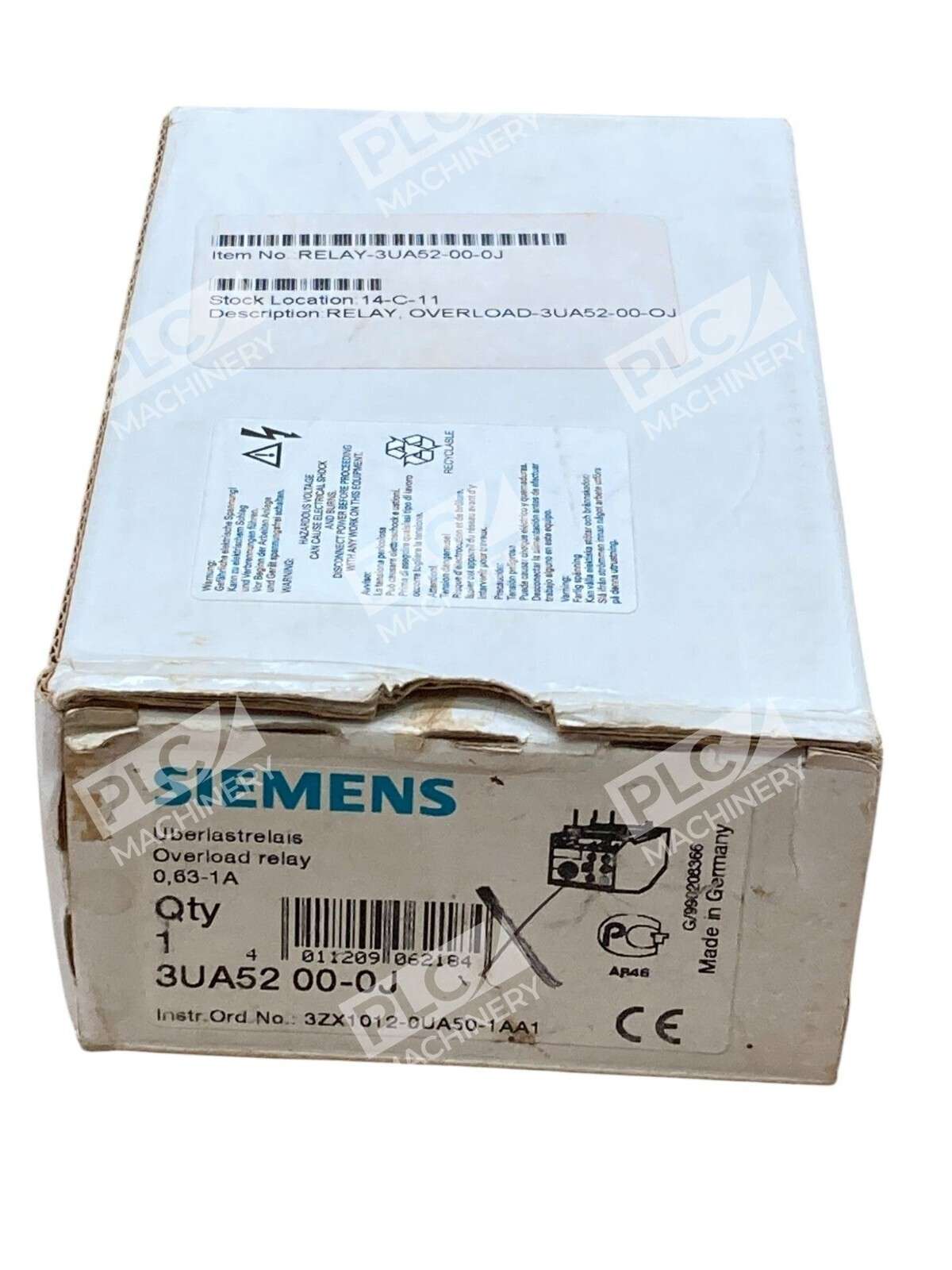
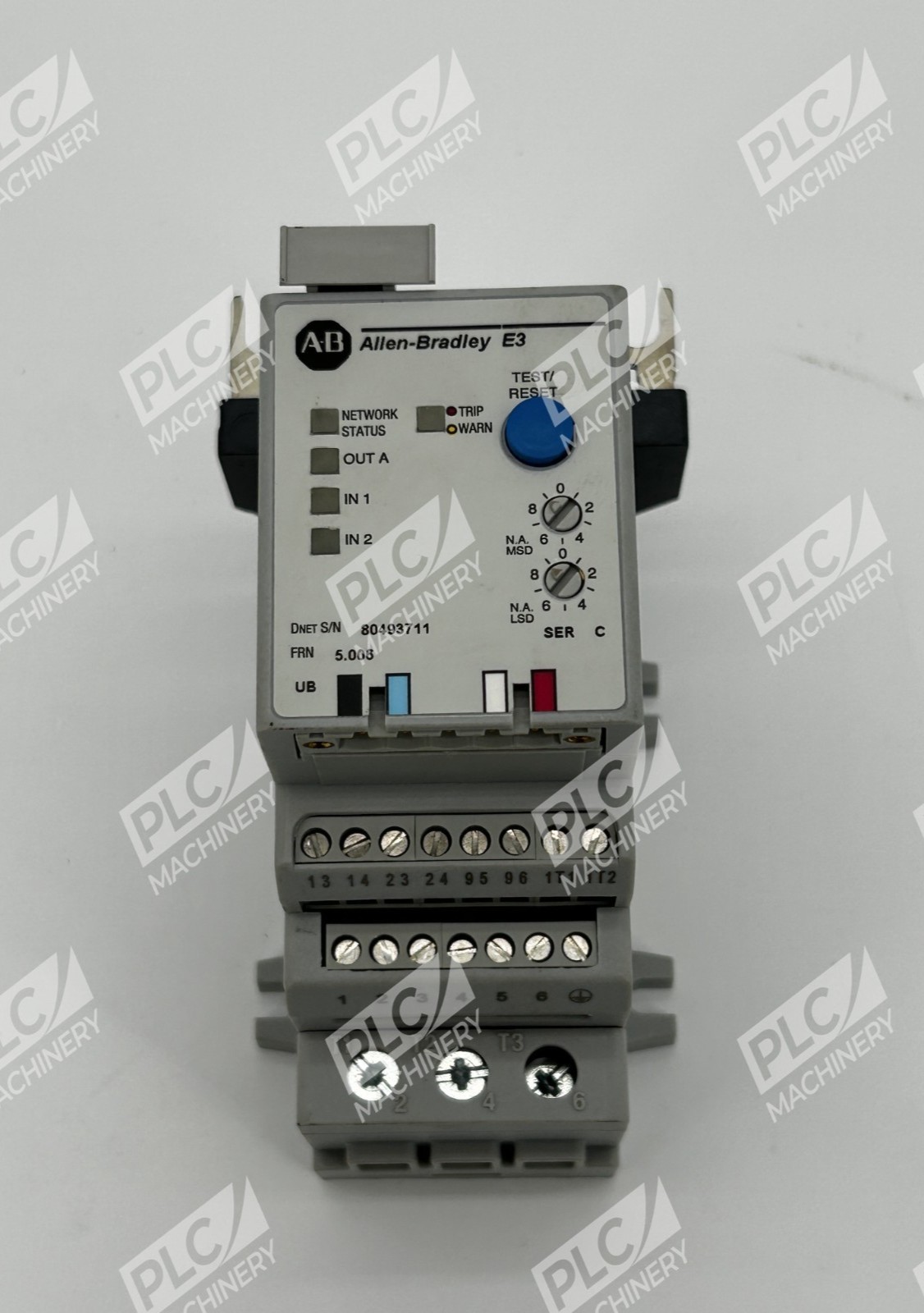
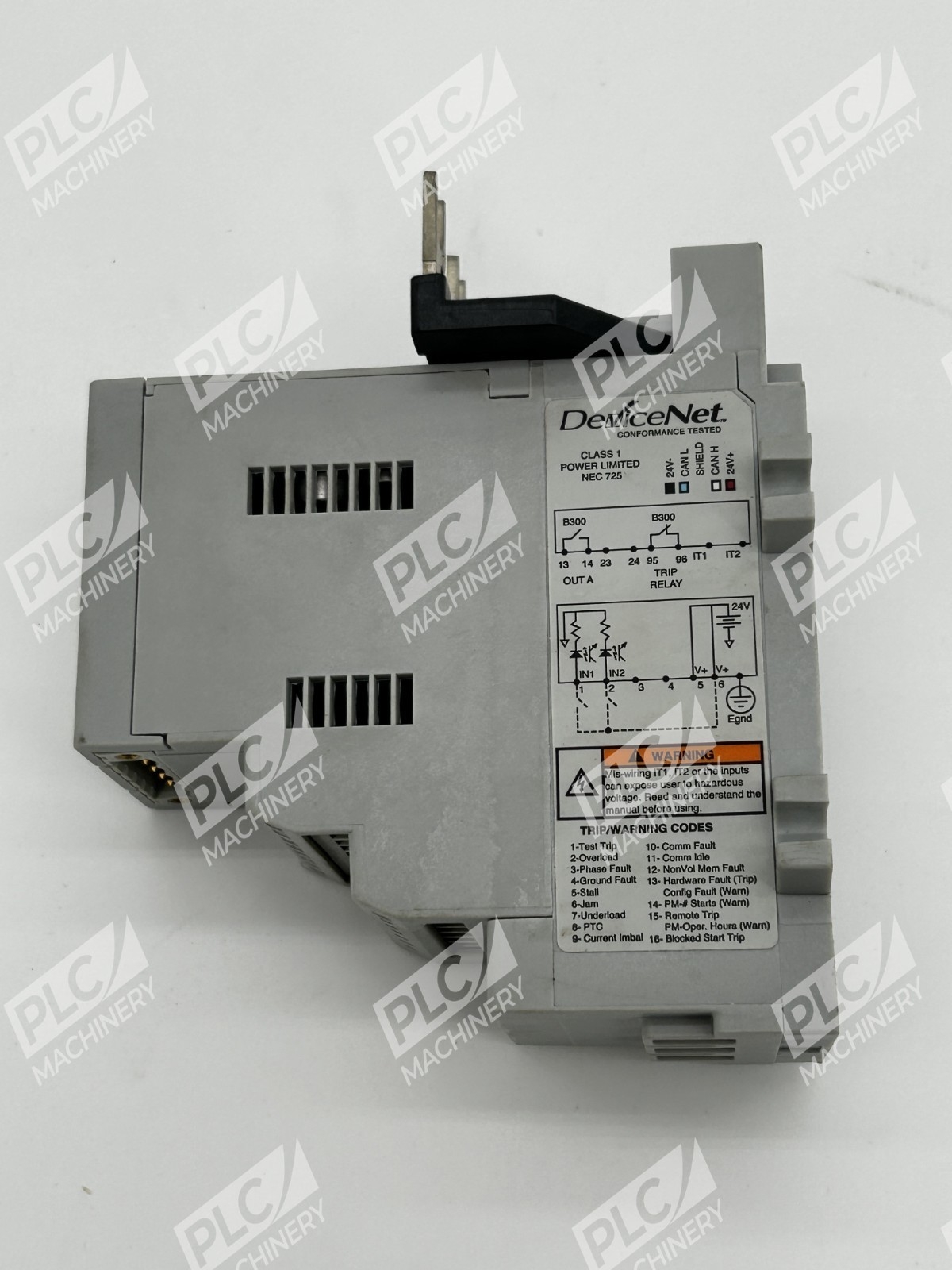


Overview
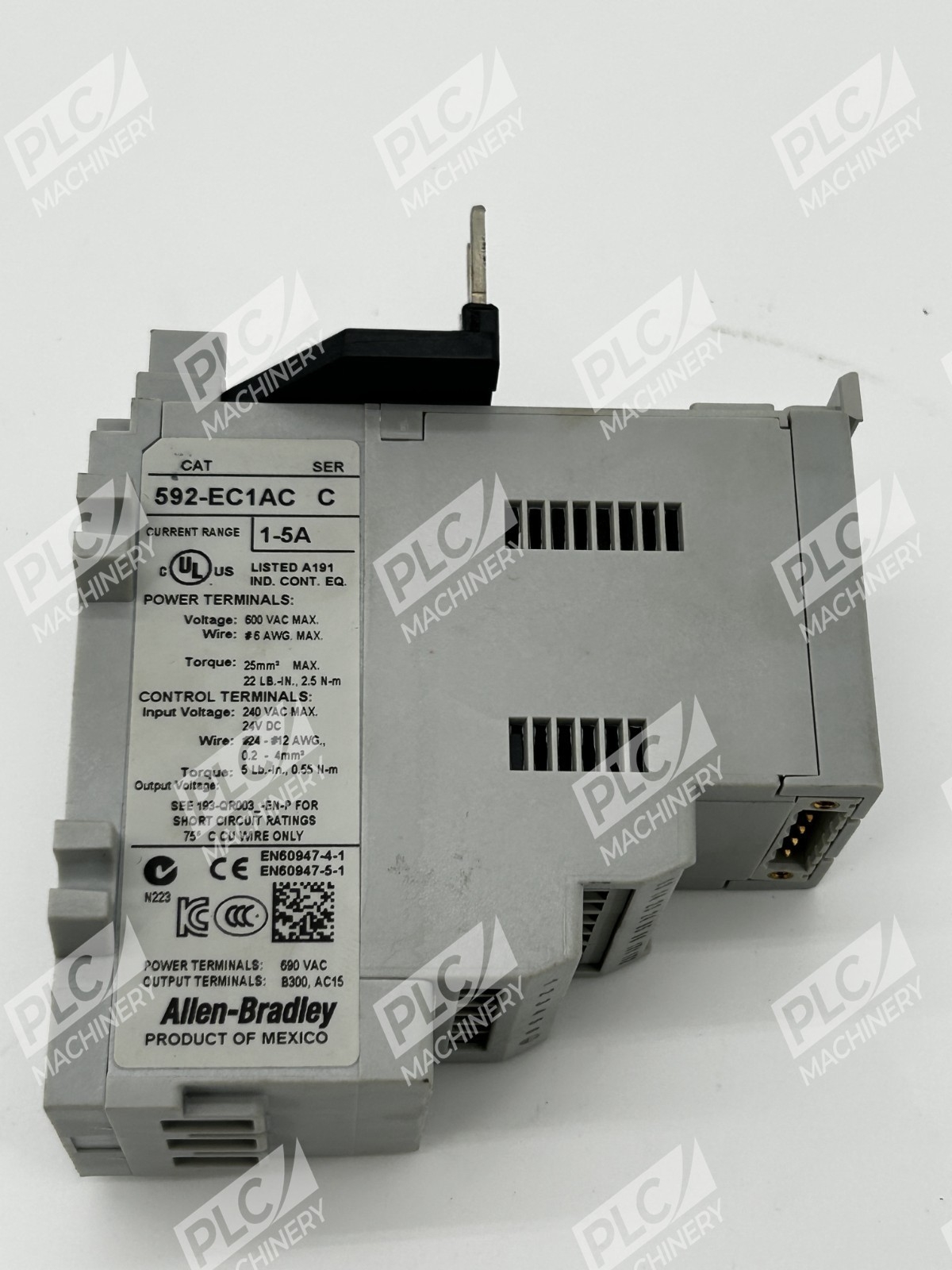
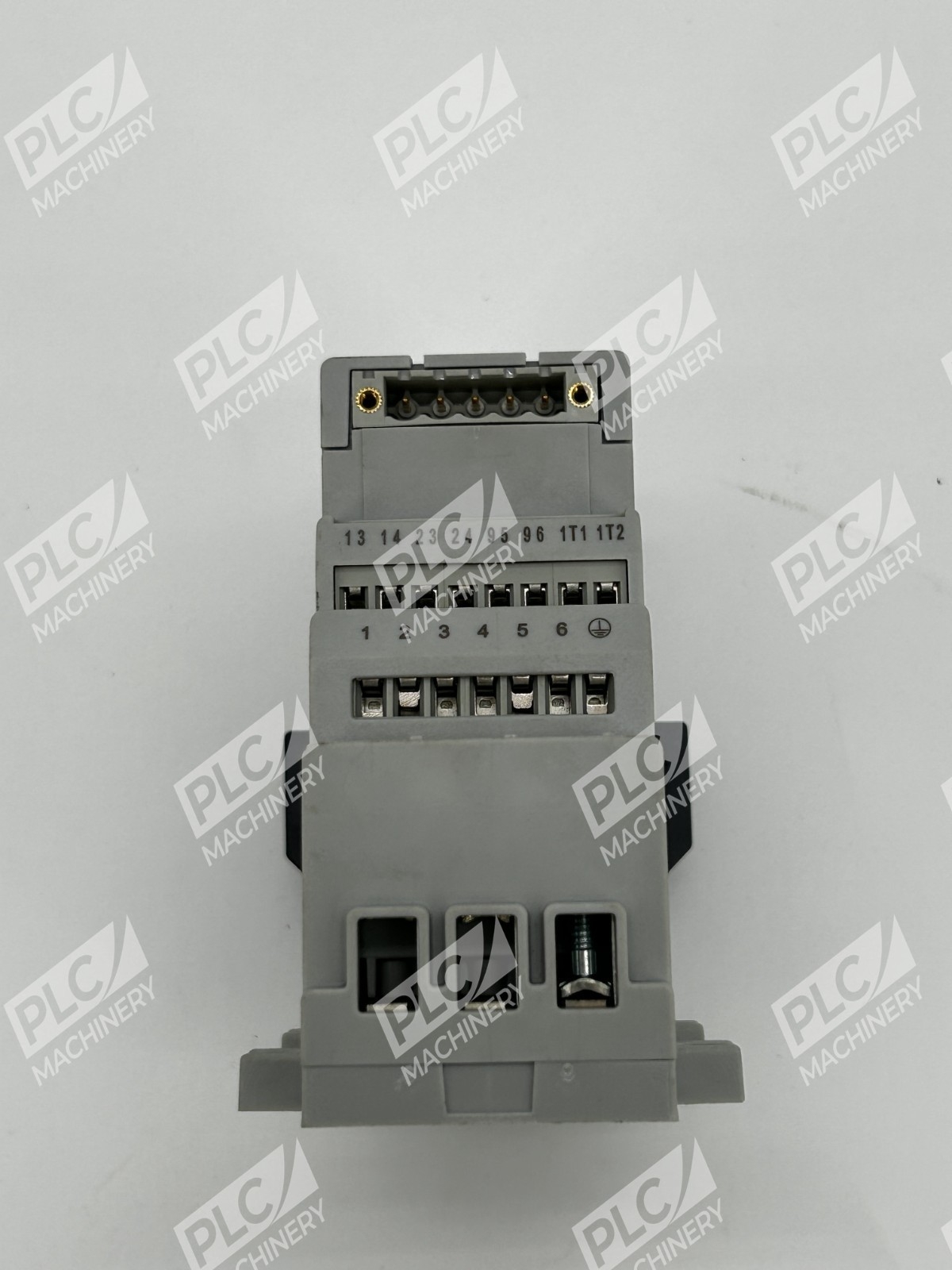
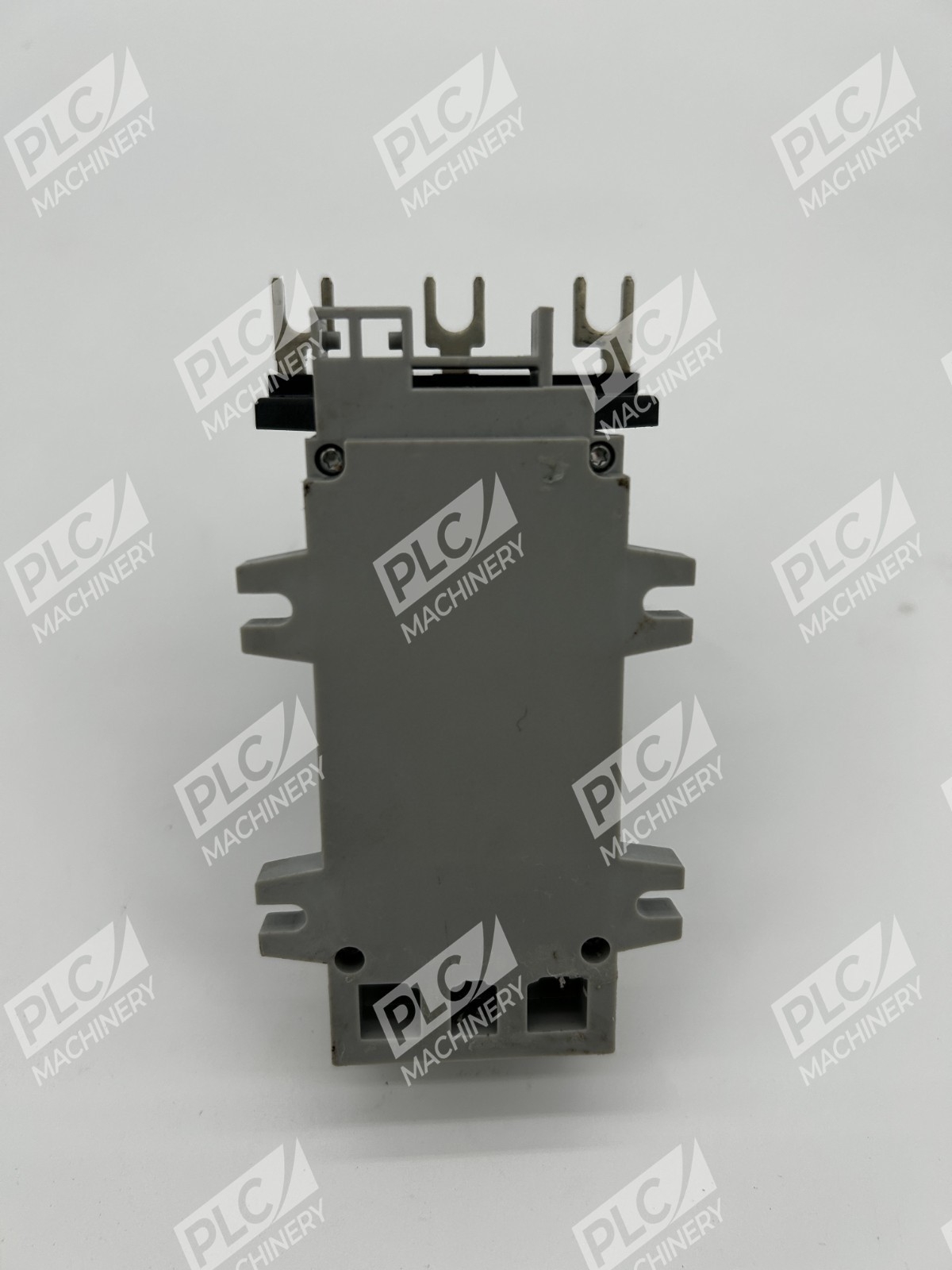
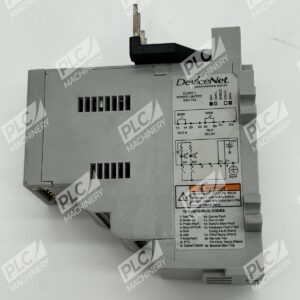
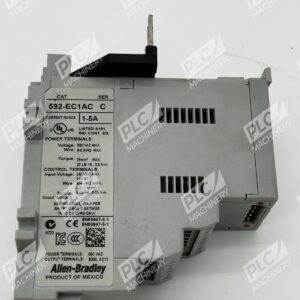
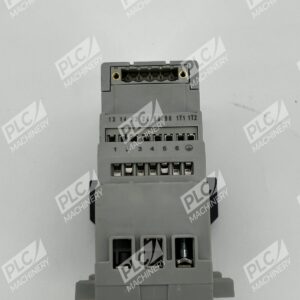
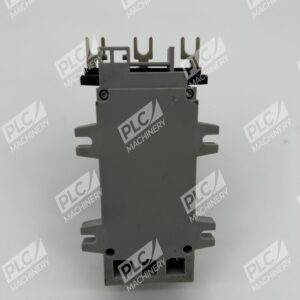
The Allen-Bradley 592-EC1AC is a solid-state electronic overload relay from the E3 Series, engineered for AC motor protection in industrial automation applications. As a direct-mount electronic motor protection device, the 592-EC1AC delivers precise overload detection and trip functionality without mechanical contacts, ensuring consistent performance in demanding motor control circuits.
Key Features
- Solid-state electronic design for reliable overload protection
- Direct contactor mounting for compact installation
- Adjustable current setting capability for flexible load protection
- Electronic trip mechanism for consistent response time
- Compatible with AC motor control systems
- NEMA-rated enclosure and operational standards
Technical Specifications
- Current Rating: 1–5 amps
- Design Type: Solid-state electronic overload relay
- Series: E3
- Mounting: Direct contactor mount
- Application: AC motor protection
- Reset Type: Automatic or manual selectable
- Enclosure Rating: NEMA 3
Typical Applications
The Allen-Bradley 592-EC1AC is ideal for:
- Small AC motor overload protection in NEMA Size 0–2 control circuits
- Industrial machinery and equipment motor control
- Pump and fan motor protection systems
- OEM and retrofit motor control installations
- Replacement of mechanical overload relays in existing circuits
Compatibility & Replacements
Compatible With
- Allen-Bradley Bulletin 500 NEMA contactors (direct mount)
- AC motor control circuits, NEMA Size 0–2
- Three-phase and single-phase AC motors
- Motor control systems requiring solid-state overload protection
Replaces / Drop-In Replacement For
- Earlier generation mechanical overload relays in equivalent amperage ratings
- Compatible alternative to thermal or bimetal overload devices
- Note: Verify compatibility with your system integrator before ordering.
Works With
- Allen-Bradley Bulletin 500 motor starters and contactors
- Industrial motor control relay logic and circuits
- AC power distribution and motor control systems
- Standard auxiliary contact signaling networks