
↓ How to Spot Counterfeits — warning signs & real photo examples
The problem is bigger than most buyers realize
As lead times for new Allen-Bradley (Rockwell Automation) equipment stretch into months and prices climb, more buyers turn to the secondary market — and more bad actors move in to take advantage. A counterfeit or misrepresented PLC, drive, or HMI isn't just a financial loss; dropped into a live control system it can fail unpredictably, damage equipment, or put people at risk.
The good news: most fakes give themselves away once you know what to look for. This guide walks through the warning signs we check on every unit, shows real examples, and points you to the free tools Rockwell offers to verify authenticity.
How to spot a counterfeit — the warning signs
No single tell is proof on its own, but stack two or three of these and you should slow down and verify before you buy or install.
Packaging and seals
- Factory seal looks photocopied, off-color, misaligned, or re-applied over an existing crease.
- Box printing is fuzzy, the font is slightly wrong, or barcodes don't scan.
- A unit sold as "new in original packaging," but the box shows wear, dust in the corners, or shipping-label residue that doesn't match.
Labels and printing
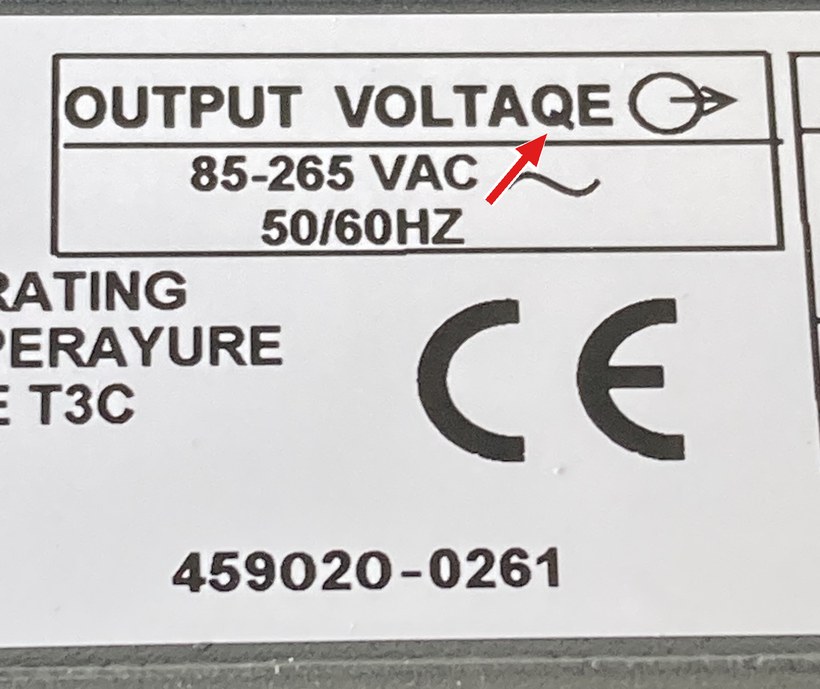
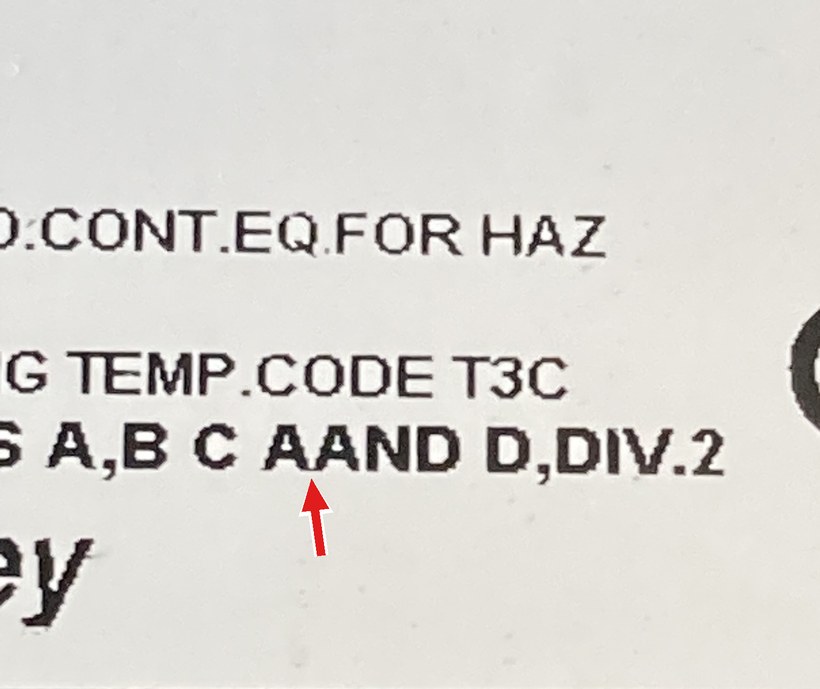
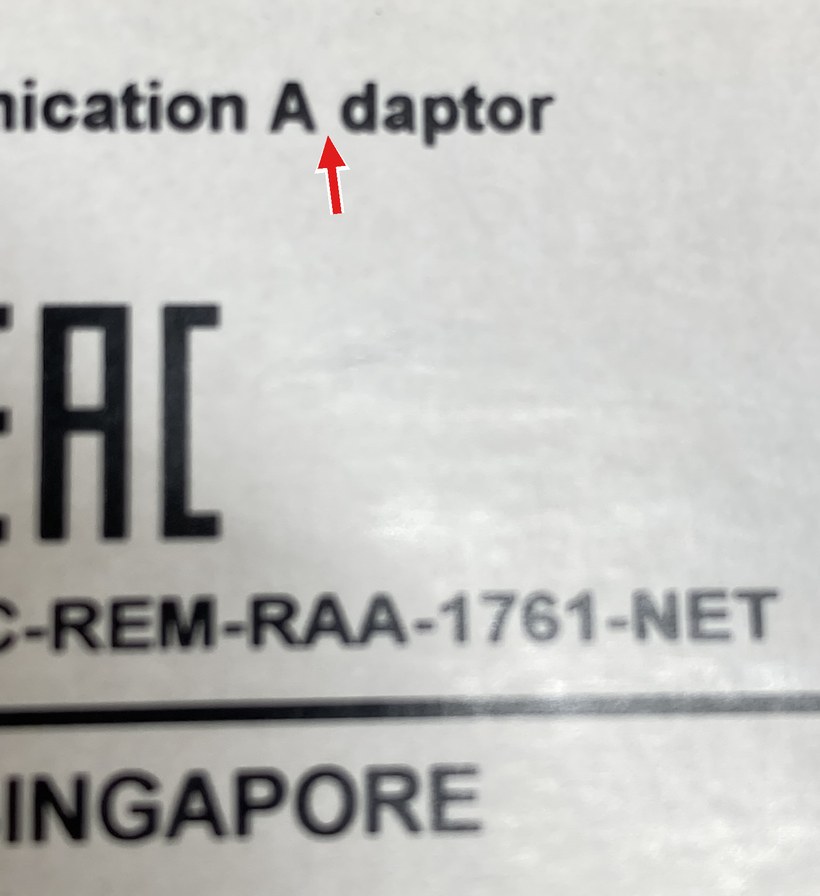
- Spelling and spacing errors in the printed text. This is the most common one — see the examples below.
- Serial number on the box doesn't match the serial number on the unit.
- Serial number is partially whited out so the box and unit appear to match.
- Label fonts, kerning, or logo placement differ from a known-genuine reference.
- Series letter (e.g., Series A/B/C) on the label doesn't match the firmware or hardware revision on the unit.
Physical build
- Plastics feel light, seams are rough, or screw bosses look re-molded.
- Connectors, terminals, or pins are discolored, bent-and-straightened, or show solder rework.
- Internal boards don't match the housing's vintage, or show signs of being swapped (mismatched conformal coating, fresh flux, non-factory stickers).
Price and availability
- Priced far below the realistic market for a genuine unit of that condition — if it's "too cheap to be real," it often is.
- A seller claiming deep stock of "new" units on a part Rockwell discontinued years ago.
Seller behavior
- Vague or shifting answers about where the unit came from.
- Won't state a condition grade, won't provide photos of the actual unit (only stock images), or won't allow returns.
- Pushes "factory sealed / brand new" language on a part that realistically only exists as surplus.
How the fakes are actually made
A full, ground-up clone of an Allen-Bradley product is hard and expensive — the proprietary silicon and engineering make a true reproduction uneconomical for most counterfeiters. So in practice, the fakes you'll actually run into fall into a few patterns:
- Used-as-new. A genuine, previously-installed unit cleaned up, dropped into a reproduction box with a fake factory seal and fresh-looking labels, and sold as "new." Rockwell flags this as the most common form of fraud.
- Hybrids. Genuine internal boards transplanted into aftermarket plastic housings, bezels, or overlays — especially common on PanelView HMIs, where a tired screen gets a new face.
- Counterfeit elements. Units containing physically fake parts — plastics, displays, electronic components, or circuit boards — that aren't factory original.
- Relabeled. A lower-spec or different part relabeled to pass as a higher-value or current model.
How to verify authenticity
If you want hard confirmation rather than a gut read, use Rockwell's own tools — they're free and they check the unit against factory records.
- Rockwell DeviceTools mobile app. Lets you scan, verify, and register Allen-Bradley products to confirm authenticity. Useful as a first check on a unit you already have in hand.
- Rockwell Product Registration / authentication platform. Authenticates units against Rockwell's production records — the strongest single check available to a buyer.
You can also have an authorized rep cross-reference a serial number for you. If a serial won't verify, is duplicated across units, or looks hand-applied, treat it as a serious red flag.
Prefer to buy from a seller who's upfront about condition? Browse our current, condition-graded stock on the Allen-Bradley parts page.
Frequently asked questions
What warranty do you offer on Allen-Bradley parts?
Every order carries our own 90-day warranty. Tested units are marked as tested; as-is/untested units are marked as such and priced accordingly.
What do your condition grades mean?
Surplus – Original Packaging: unused stock in its original packaging. Surplus – Open Box: unused stock, packaging opened. Used: previously installed, inspected, and sold transparently as used.
What's the most common counterfeit Allen-Bradley product?
By far the most common fraud is a genuine used unit cleaned up and sold as "new," followed by hybrid HMIs — genuine internals in an aftermarket shell.
What should I ask a seller before buying surplus AB?
Ask for the condition grade, photos of the actual unit (not a stock image), and the serial number. A trustworthy seller answers all three without hesitation.
Allen-Bradley® and Rockwell Automation® are registered trademarks of Rockwell Automation, Inc. PLC Machinery is not an authorized Allen-Bradley or Rockwell Automation distributor and is not affiliated with, sponsored by, or endorsed by Rockwell Automation. All product names, trademarks, and brands are the property of their respective owners and are used here for identification and descriptive purposes only. Products are sold as genuine surplus or used items, graded by condition; we make no representation that any product is "new" or carries a Rockwell factory warranty. This guide is provided for general informational purposes and is not authentication, certification, or legal advice.